Best Glock Clones: 7 Tested Picks (Plus What Glock’s Gen 6 Actually Changed)
We tested seven Glock clones from $299 to $2,000, plus give you a direct answer to whether the Gen 6 finally closed the gap on ergonomics, triggers, and optics.

Written By
Michael Crites
Licensed Concealed Carry Holder
Reviewed by
Editorial Team
Learn About The Editorial Team
Share:
Products are selected by our editors. We may earn a commission on purchases from a link. How we select gear.
Updated
Oct 2026
A simple reality underpins the modern Glock clone market: Glock’s Gen 3 patents have expired, and American manufacturers didn’t waste any time filling the vacuum.
What started as a handful of budget alternatives has grown into a serious ecosystem of purpose-built pistols that borrow Glock’s dimensional footprint (magazine compatibility, holster fit, parts interchangeability) while addressing the ergonomic and feature complaints Glock owners have aired for decades.
The pitch varies by manufacturer. Palmetto State Armory’s Dagger bets on delivering 90% of the Glock experience at 60% of the price. Shadow Systems and ZEV Technologies assume you’ll spend real money to get a gun that outperforms a stock Glock in every measurable way before you ever pick up an aftermarket part. Ruger and Magpul took a third path with the RXM: a genuinely modular design that treats the serialized fire control unit as the gun, with the grip module and configuration as interchangeable context.
We evaluated the current field and landed on seven finalists covering the full range of buyer needs: value carry, micro concealed carry, modular design, premium performance, competition, ergonomic alternatives, and custom builds. Whether you’re an existing Glock owner weighing whether a clone offers a real upgrade, or a new buyer drawn in by the Dagger’s price point, here’s what actually matters.
In This Article
How We Picked These Glock Clones
The Glock clone market is crowded in ways that make selection genuinely difficult. Dozens of manufacturers produce Gen 3-pattern polymer-framed pistols that accept Glock magazines and drop into Glock 19 holsters, but quality, feature sets, and long-term support vary widely across the field.
Our selection process started with reliability as a non-negotiable baseline. A clone that doesn’t run as reliably as the Glock it’s emulating isn’t a clone worth recommending, regardless of trigger feel or price. From there, we evaluated what real improvements each gun delivers over a stock Glock out of the box: improved trigger geometry, optics-ready slides, better grip texturing, suppressor-height sights, or meaningful ergonomic redesign.
Improvements that solve real problems moved the needle; generic upgrades that exist only to justify a higher MSRP did not.
We also factored in pricing relative to long-term value. A $299 Dagger and an $889 Shadow Systems DR920 serve genuinely different buyers, and we evaluated each on its own terms rather than stacking them unfairly against each other.
We also considered aftermarket support depth, holster ecosystem compatibility, and manufacturer reputation for standing behind warranty claims — all of which matter when a pistol is part of a serious carry or training setup. Michael Crites’ competitive shooting background and years carrying Glock-pattern pistols daily informed both the selection criteria and the final picks.
How We Test
Accuracy & Trigger
We fire four 5-round groups from a bench at 25 yards, measure every group with digital calipers, then run each trigger across a trigger scale repeatedly to log a true average pull weight and assess take-up, wall, break, and reset.
Reliability
We put a minimum of 500 rounds through every pistol, mixing budget FMJ, premium hollow points, and +P defensive loads, and log every failure to feed, eject, or return to battery — including whether issues clear up after break-in.
Glock Compatibility
We verify every compatibility claim instead of repeating it: Glock magazines, Glock 19 and 17-pattern Kydex holsters, and drop-in triggers, barrels, and sights.
Carry & Ergonomics
We carry each pistol for days and weeks in AIWB, 3–4 o’clock IWB, and OWB positions, evaluating grip angle, texture, undercut, controls, and how the gun prints under everyday clothing.
More on our testing process
Pistol Comparison
| Product | Price | Details |
|---|---|---|
Best Value PSA Dagger | $299 | Jump to Details |
Concealed Carry PSA Micro Dagger | $402 | Jump to Details |
Modular Design Ruger RXM | $410 | Jump to Details |
Premium Out-of-Box Shadow Systems DR920 | $1099 | Jump to Details |
Ergonomic Alternative Lone Wolf Dusk 19 | $399 | Jump to Details |
Custom Aesthetics Black Rain Frontline | $665 | Jump to Details |
| Clone | Best For | Price Range | Optic Cut | Magazine Compatibility | Holster Fit |
|---|---|---|---|---|---|
PSA Dagger | Best Value | ~$299–$363 | Yes (various) | ~95% Glock Gen 3 parts | Glock 19 pattern |
PSA Micro Dagger | Concealed Carry | ~$349–$399 | Yes (RMSc) | Proprietary PSA mags | G43X/G48 pattern |
Ruger RXM | Modular Design | ~$399 | Yes (direct mount) | Glock Gen 3 mags | Glock 19 pattern |
Shadow Systems DR920 | Premium Out-of-Box | ~$840–$900 | Yes (multi-footprint) | Glock G17 mags + parts | Glock 17 pattern |
ZEV OZ9 V2 | Competition | ~$1,000–$2,000+ | Yes (RMR) | Glock mags | OZ9-specific holsters |
Lone Wolf Dusk 19 | Ergonomic Alternative | ~$649 | Yes (RMR) | Glock G19 mags | Most G19 — verify fit |
Black Rain Frontline | Custom Aesthetics | ~$619–$699 | Yes (RMR) | Glock GL-9 mags | Glock 19 pattern |
7 Top Glock Clones
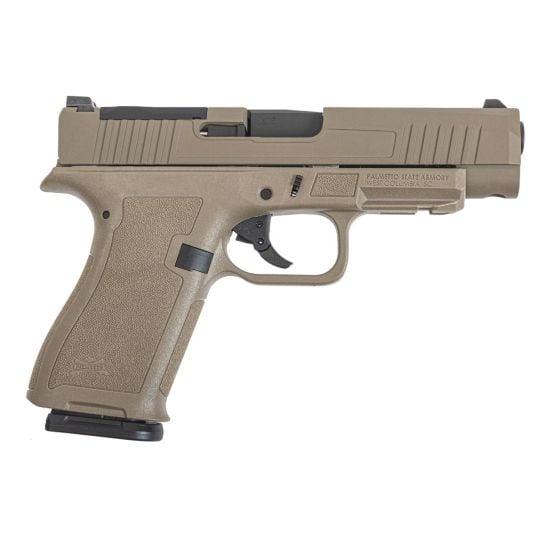
1. PSA Dagger: Best Value Glock Clone
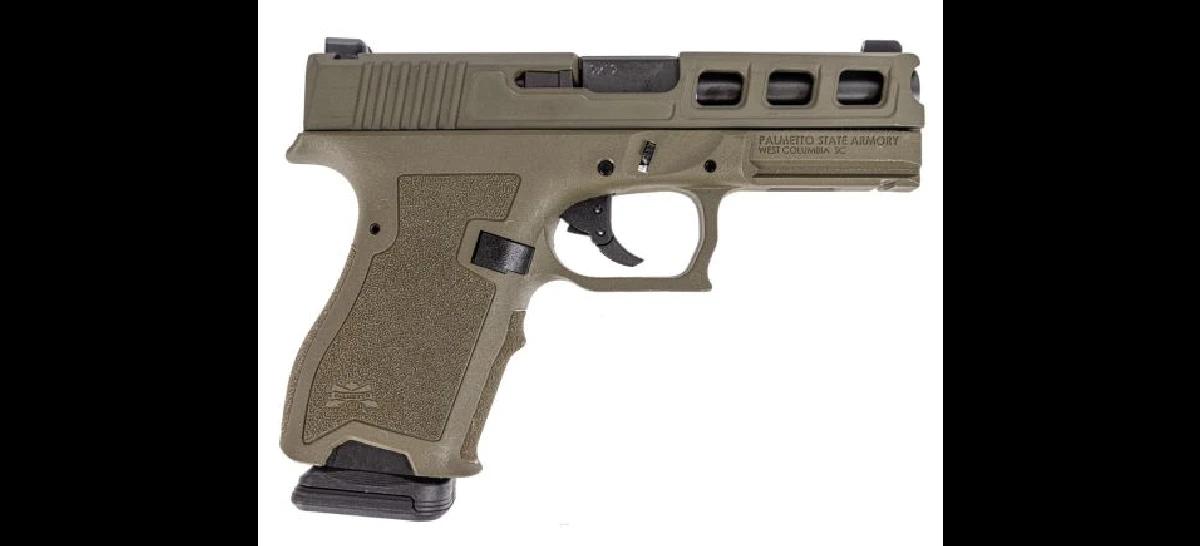
The PSA Dagger is the gun that proved a $299 pistol doesn’t have to feel like one. When Palmetto State Armory released the Dagger in 2021, built on the expired Gen 3 Glock patent foundation, skepticism was immediate and largely unfounded.
The Dagger shares roughly 95% parts compatibility with the Gen 3 Glock 19, but the differences are small and specific: two Dagger-unique roll pins, a metal rail sleeve in the grip, and slide rails built into a pinned steel sub-assembly rather than molded into the frame.
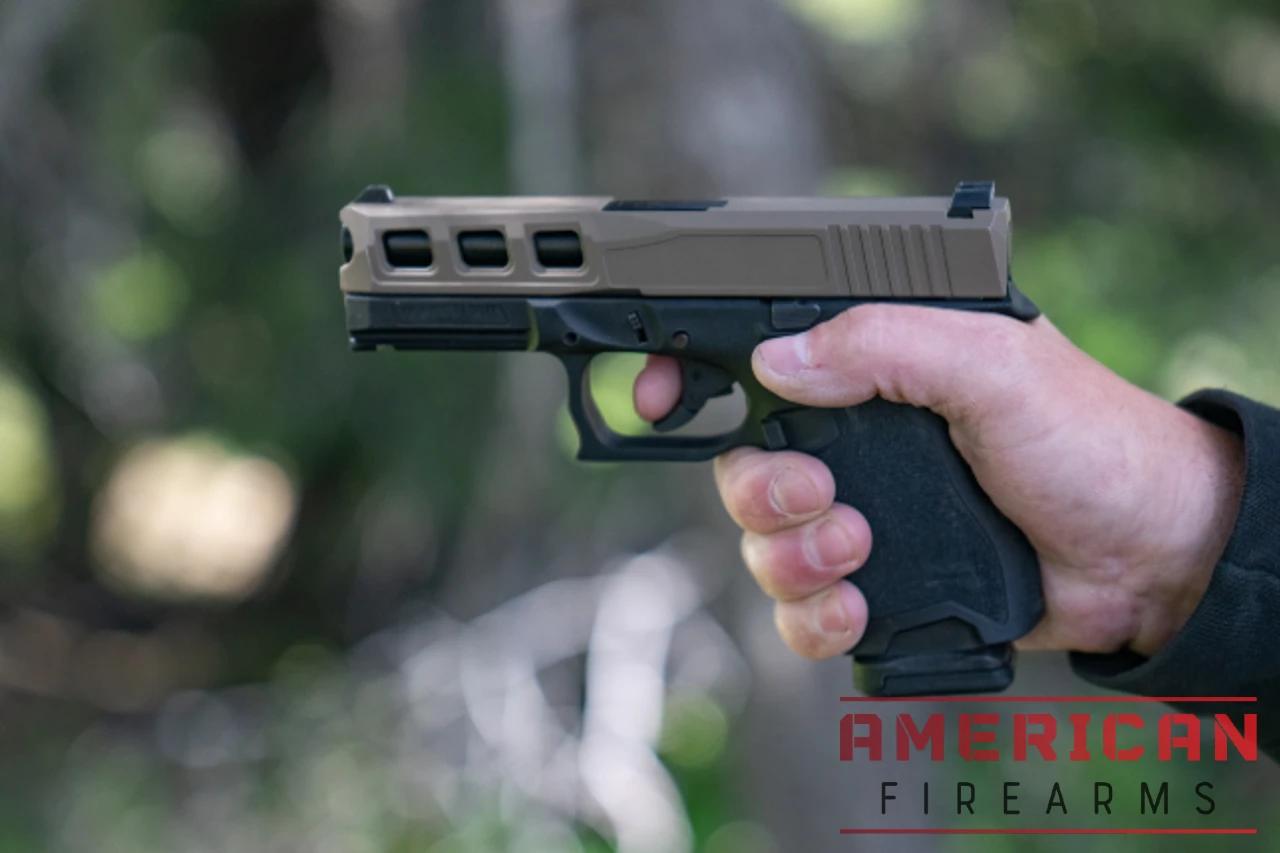
Inside the slide, it’s Gen 3 G19 all the way, and it delivers the fundamentals that made the G19 a benchmark: reliable feeding, consistent ejection, and a grip that puts the sights on target naturally. We carried and shot our ECC-slide Dagger for a couple of months, and the trait that stood out most was presentation.
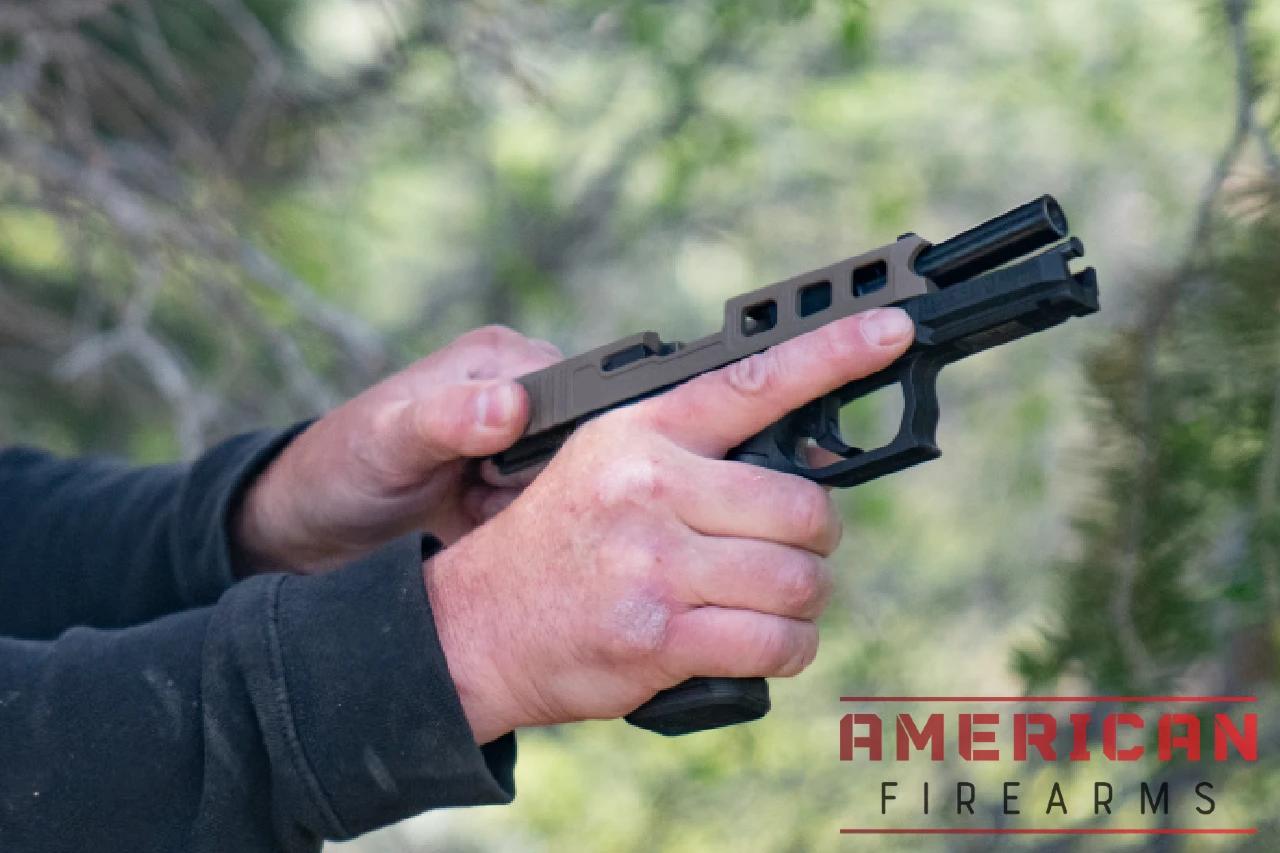
Every time we brought it up from the holster, it lined up on target, and it felt more natural in the hand than a stock Gen 3 G19. It ran without a single failure on Winchester white box 115-grain FMJ, and soda can-sized targets at 15 yards went down with deliberate shooting. When we pushed the pace, they took a shot or two more.
The ergonomic improvements over a stock Gen 3 are real. An undercut trigger guard seats the hand deep and high, and a rear “horn” that protrudes farther than Glock’s beavertail eliminates slide bite.
The laser-engraved texture extends further up the frame than Glock’s factory pattern without being abrasive, and the back of the grip is tapered slightly thinner than a G19’s. The slide stop is larger and easier to hit than Glock’s, the Ameriglo serrated steel sights are perfectly usable for most shooting, and the stainless steel guide rod adds a little weight up front versus Glock’s polymer unit.
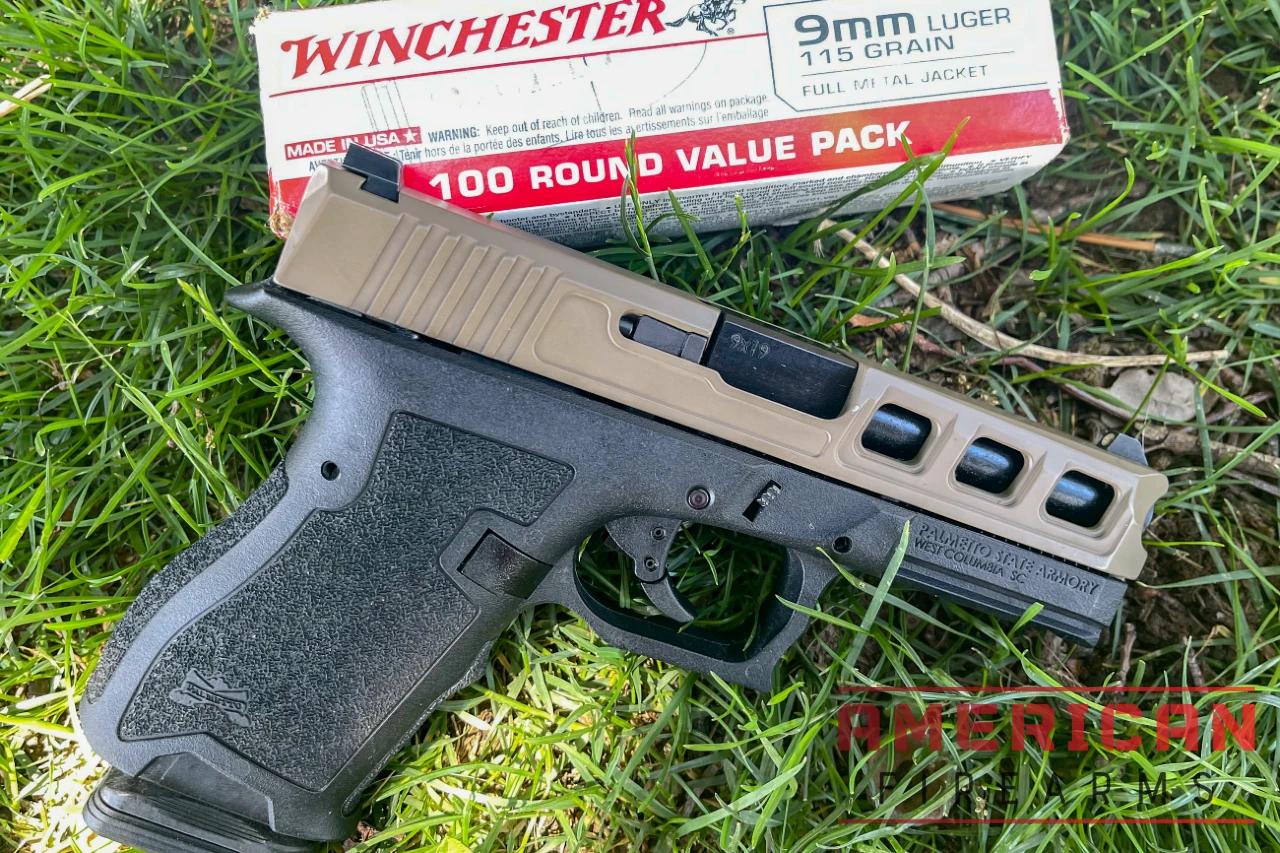
Optics-cut slides are available across the lineup, though the model we tested wasn’t cut, and a red dot is the first upgrade we’d make. The Dagger shows its price in the trigger and a few details. Our sample broke at 5–5.5 pounds, but the long take-up and indistinct wall feel like the trigger is sliding toward you before it finally gives. It’s functional, not satisfying, though it accepts Gen 3 Glock 19 trigger upgrades.
The blocky magazine release presses like a stiff keyboard key, and the slide spring is stiffer than you’d expect. Holster fit is close to Glock 19 but not identical: our G19 OWB holster took it without complaint, while an Alien Gear Photon ran a touch tight.
The Dagger ships in a cardboard box with a single Magpul 15-round magazine, though Glock magazines run fine. The $200 or so you save over a comparable Glock goes a long way toward a trigger, spare magazines, or a quality holster, and the platform will accept virtually all of it.
Considerations:
- Mushy factory trigger with long take-up
- Stiff magazine release
- Ships with one magazine and no case
- A few internal components are Dagger-specific rather than Glock-swappable
- Verify holster fit, since some G19 Kydex rigs run tight
| Caliber | Capacity | Weight | OAL | Barrel | MSRP |
|---|---|---|---|---|---|
9mm | 15+1 | 22.4 oz | 7.15" | 3.9" ,$299 |
2. PSA Micro Dagger — Best Micro/Concealed Carry Clone
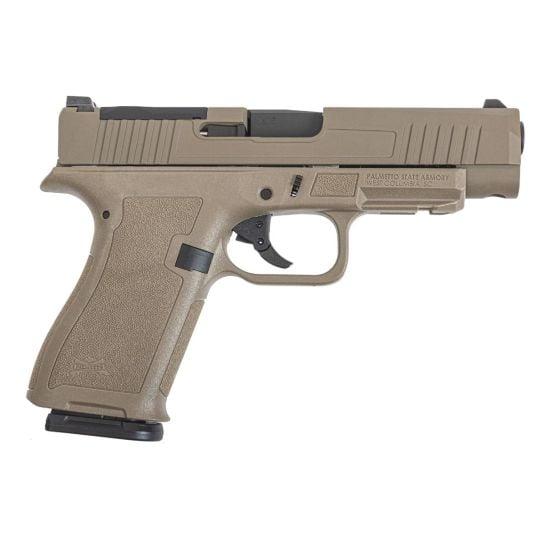
Best For: Concealed carry, slim-profile carry, buyers who want G43X-class capacity without G43X pricing
The Micro Dagger applies PSA’s value formula to the slim-carry segment, producing a G43X/G48-pattern pistol that solves one of the most persistent frustrations with that platform: the Glock G43X ships with 10-round flush magazines, and getting to 15 rounds requires Shield Arms steel mags plus a metal magazine release swap — a $70–$90 modification before you’ve even run a box through the gun. The Micro Dagger ships standard with 15+1 flush capacity, which is the core of its value argument.
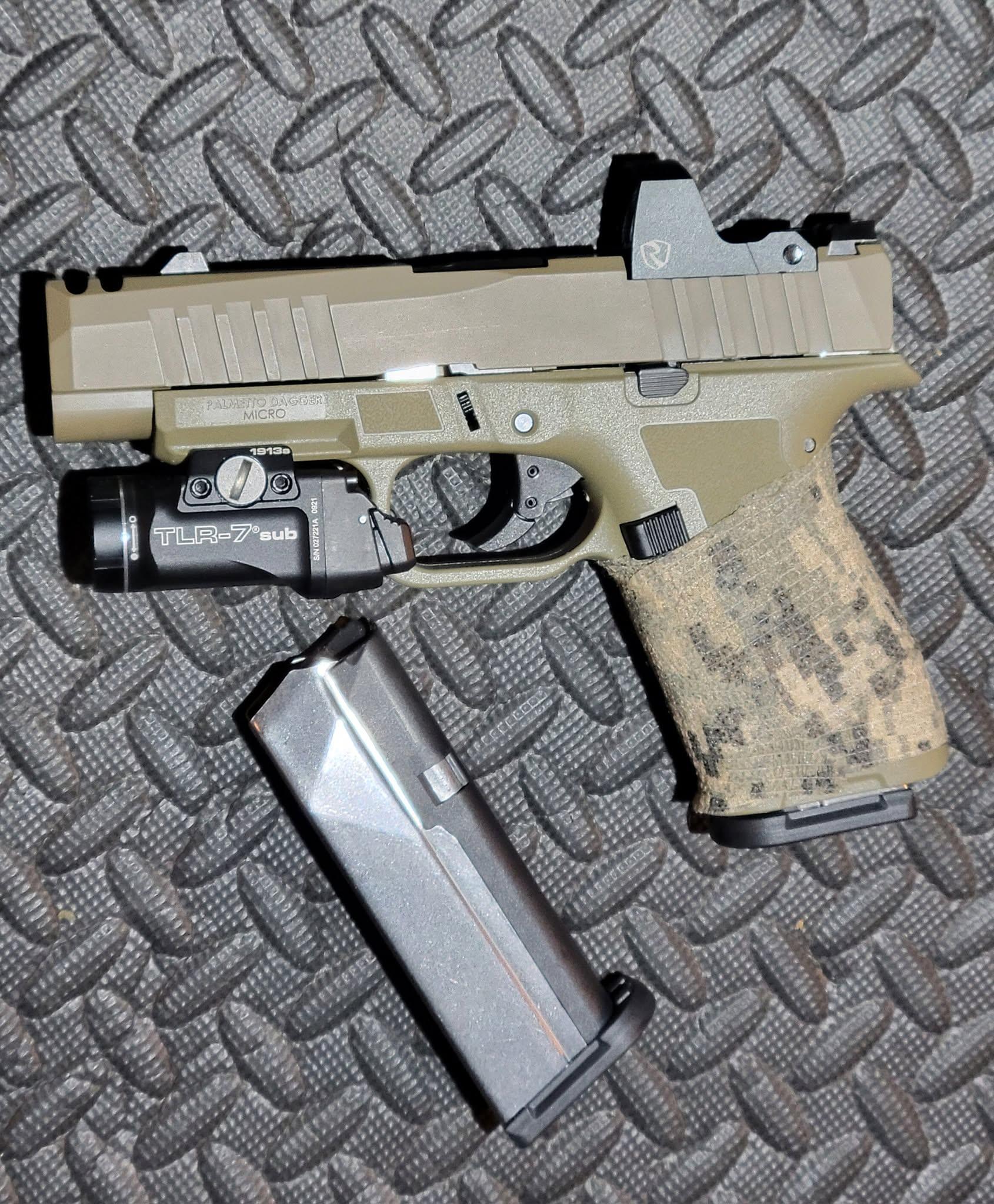
One detail every buyer needs to understand clearly: the Micro Dagger uses proprietary PSA-designed double-stack magazines, not OEM Glock G43X magazines. Slide assemblies are compatible with G43/G43X/G48 frames, but the magazine situation is PSA-specific.
Early production V1 magazines had rough internal burrs and occasionally failed to lock the slide back on empty— the kind of QC issue typically addressed in later production runs— and PSA’s V2 magazines (identifiable by their red follower) have proven substantially more reliable. If you’re buying a Micro Dagger, order V2 magazines and verify your lot before committing them to carry.
In a 1,000-round reliability test, the Micro Dagger produced a handful of failures in the first 200 rounds followed by zero malfunctions for the remaining 800 — a break-in pattern in line with the standard Dagger Compact and not unusual for a pistol with tighter manufacturing tolerances than its price suggests.
The optics-ready slide uses an RMSc-pattern cut rather than the more common RMR footprint, and the slide’s optic mounting screws use a larger thread diameter than most optics come with, meaning you’ll likely need to source screws separately when mounting a red dot. At 19.5 ounces with a slim profile, carry concealability is excellent.
At roughly $110 less than a stock G43X MOS, the value case is equally clear.
| Caliber | Capacity | Weight | Barrel | Optic Cut | MSRP |
|---|---|---|---|---|---|
9mm | 15+1 | 19.5 oz | 3.1" | RMSc pattern | $349–$399 |
3. Ruger RXM — Best Modular Glock Clone
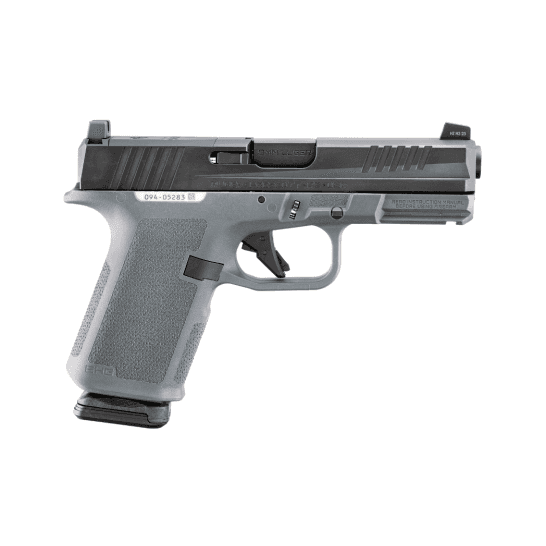
Best For: Buyers who want future-proofing, modular carry configurations, or an American-made G19 alternative
The Ruger RXM represents something genuinely different in the clone market: a pistol where the serialized fire control insert, not the frame, is the legal firearm. Swap the FCI into a different grip module, and you change grip size and configuration while keeping the same serialized gun.
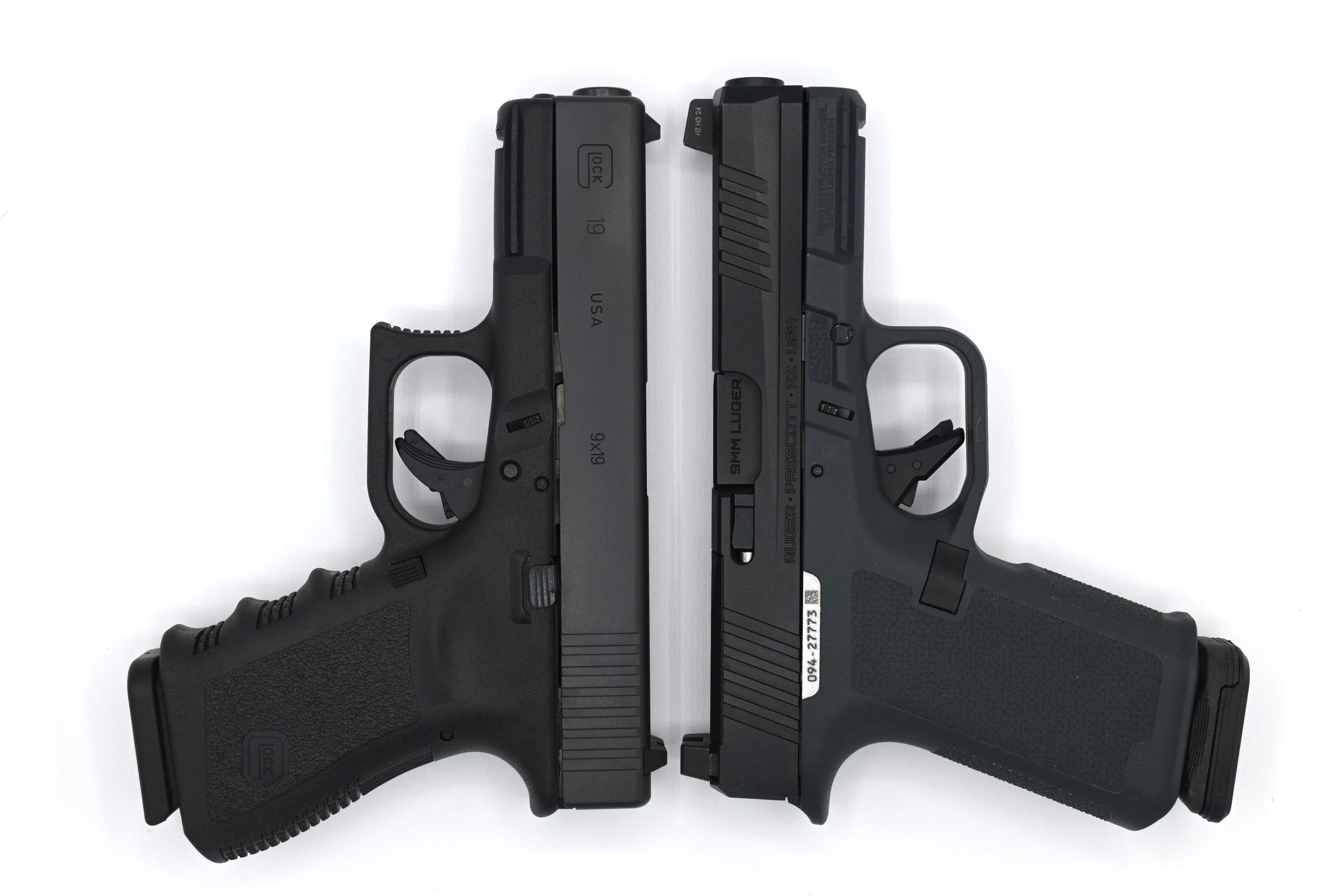
The swap is simpler than it sounds. After field stripping, two retaining pins come out with a 3/32 punch, which Ruger doesn’t include but runs about $5, and the FCI lifts out front-first. Once you’ve done it a time or two, it takes under five minutes.
The Ruger-Magpul collaboration is intelligently divided. Ruger handled the precision-machined steel — barrel, slide, and fire control unit — while Magpul contributed the Enhanced Handgun Grip. Magpul’s grip moves to a 20-degree angle, versus Glock’s 22, and in our hands-on testing the RXM consistently pointed more naturally than our Glock 19.
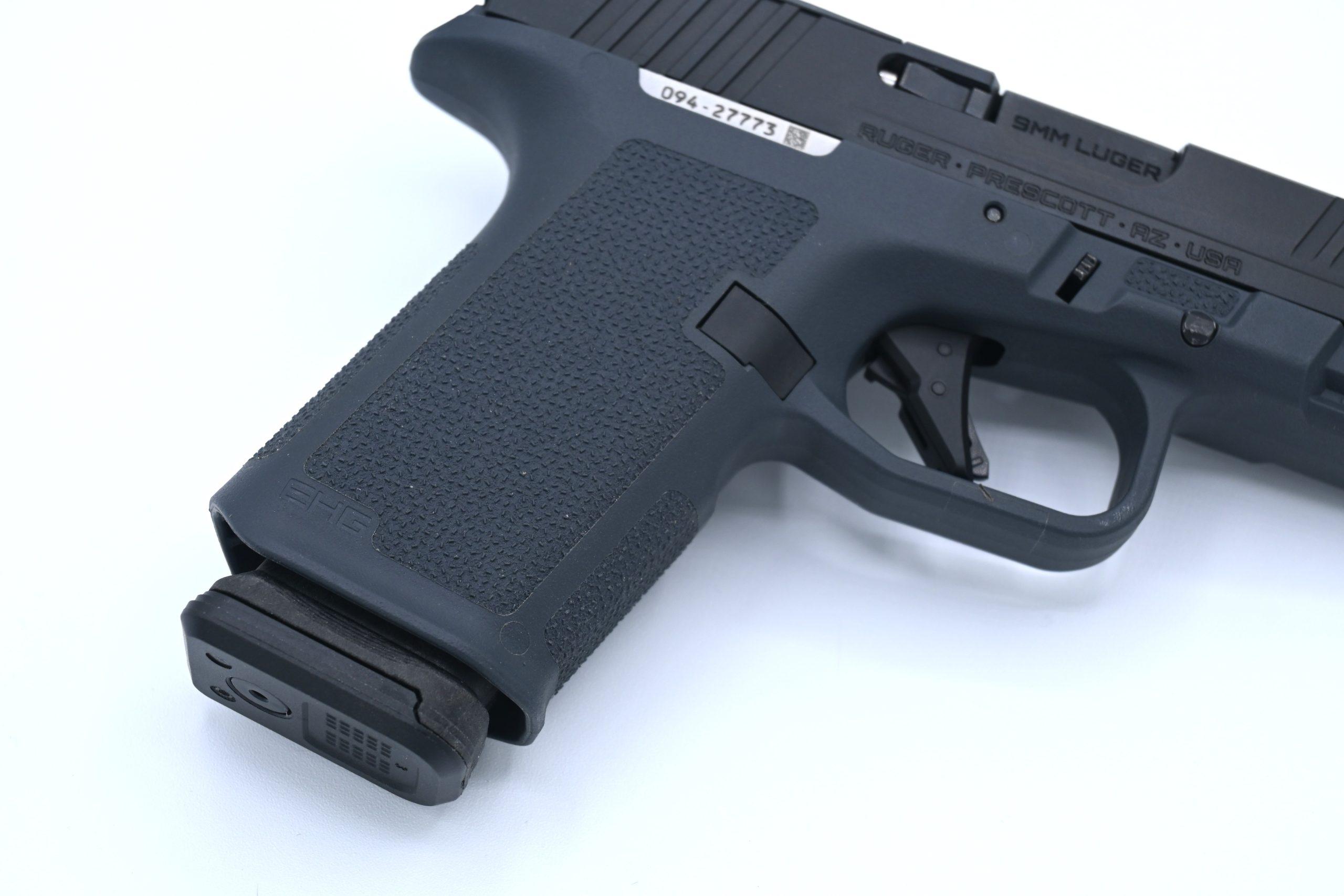
The three-quarter-scale TSP texture covers the front strap, backstrap, and both sides, and it’s secure without the punishment of Glock’s factory stipple: three months of daily appendix carry produced no irritation.
It has no finger grooves, a deeper trigger-guard undercut than a stock Glock, and a slide stop that protrudes just enough to work easily without snagging. The magazine release sits slightly forward of Glock’s position, which takes a little getting used to.
We put more than 1,500 rounds through the RXM over indoor and outdoor sessions from 35°F winter mornings to 95°F summer heat, including one string of roughly 400 rapid-fire rounds that left the barrel hot enough to sizzle water.
From a sandbag rest at 25 yards with a red dot mounted, four 5-shot groups ranged from 2.1 inches with Federal HST 124-grain to 3.1 inches with Remington UMC, and the HST group beat our Gen 3 Glock 19 by about 0.7 inches with the same load. The flat-faced trigger broke at about 4.8 pounds with consistent take-up and a short reset, lighter than the roughly 6-pound Glock 19 we compared it to.
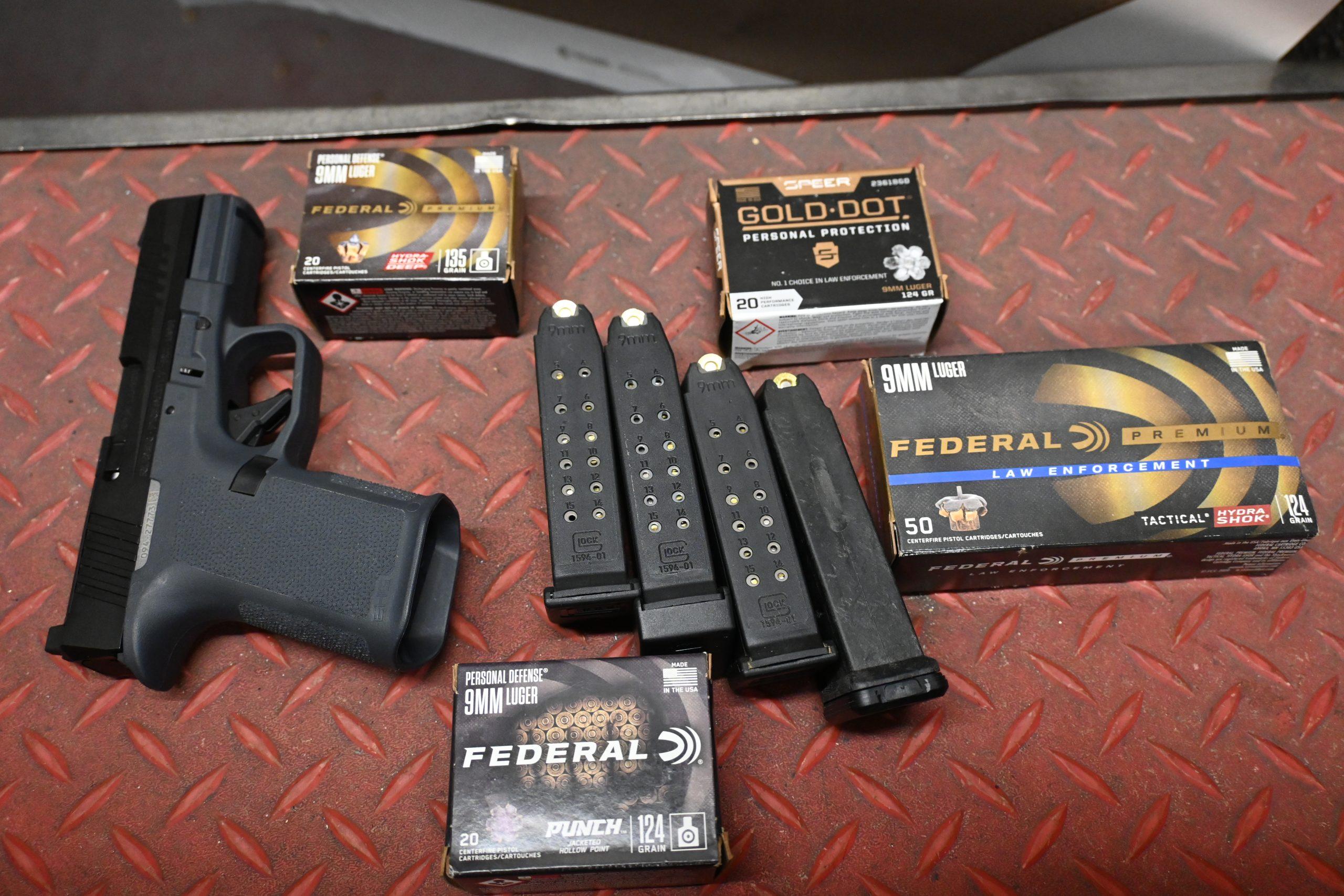
Our journey with the RXM didn’t start perfectly. In the first 200 rounds, we logged two failures to return fully to battery with Winchester white box 115-grain, both cleared with a tap on the slide, and the included Magpul PMAGs occasionally nose-dived hollow points when fully loaded. Both issues disappeared with break-in and regular cleaning, and Glock factory magazines fed every load we tried, including steel-case and +P.
Early production guns also showed barrel tool chatter deep enough to catch a fingernail. Ruger replaced our barrel and covered shipping, and the issue appears resolved in current production, but inspect the barrel on any used or early example.
The optics-ready slide direct-mounts RMR, DeltaPoint Pro, and RMSc footprints with removable dowel pins and no adapter plates; a low-deck optic like the Holosun 407K or 507K co-witnesses best with the factory sights. Most of the holsters we tried from Safariland, Alien Gear, Galco, and Concealment Express fit without issue.
Considerations:
- Two-hundred-round break-in period
- Early barrel QC issues (inspect early examples)
- Included PMAGs can hesitate with hollow points
- Shorter track record and smaller aftermarket than Glock
- Punch and T10 Torx for the FCI swap and optic mounting aren’t included
| Caliber | Capacity | Barrel | Grip Angle | Trigger Pull | MSRP |
|---|---|---|---|---|---|
9mm | 15+1 | 4" (4.5" threaded) | 20° | ~4.8 lbs | $399 |
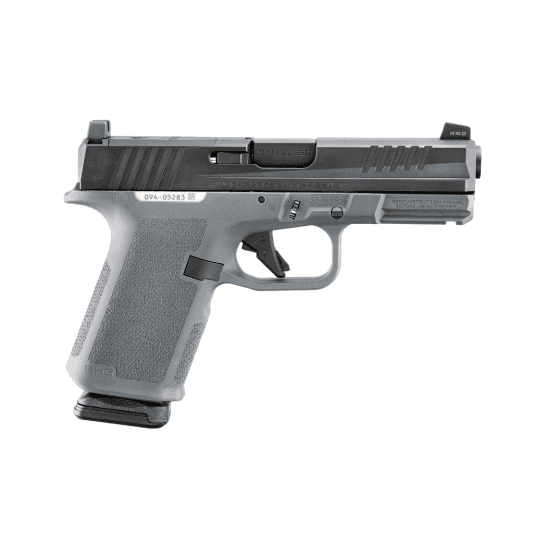
4. Shadow Systems DR920 — Best Premium Out-of-the-Box Clone
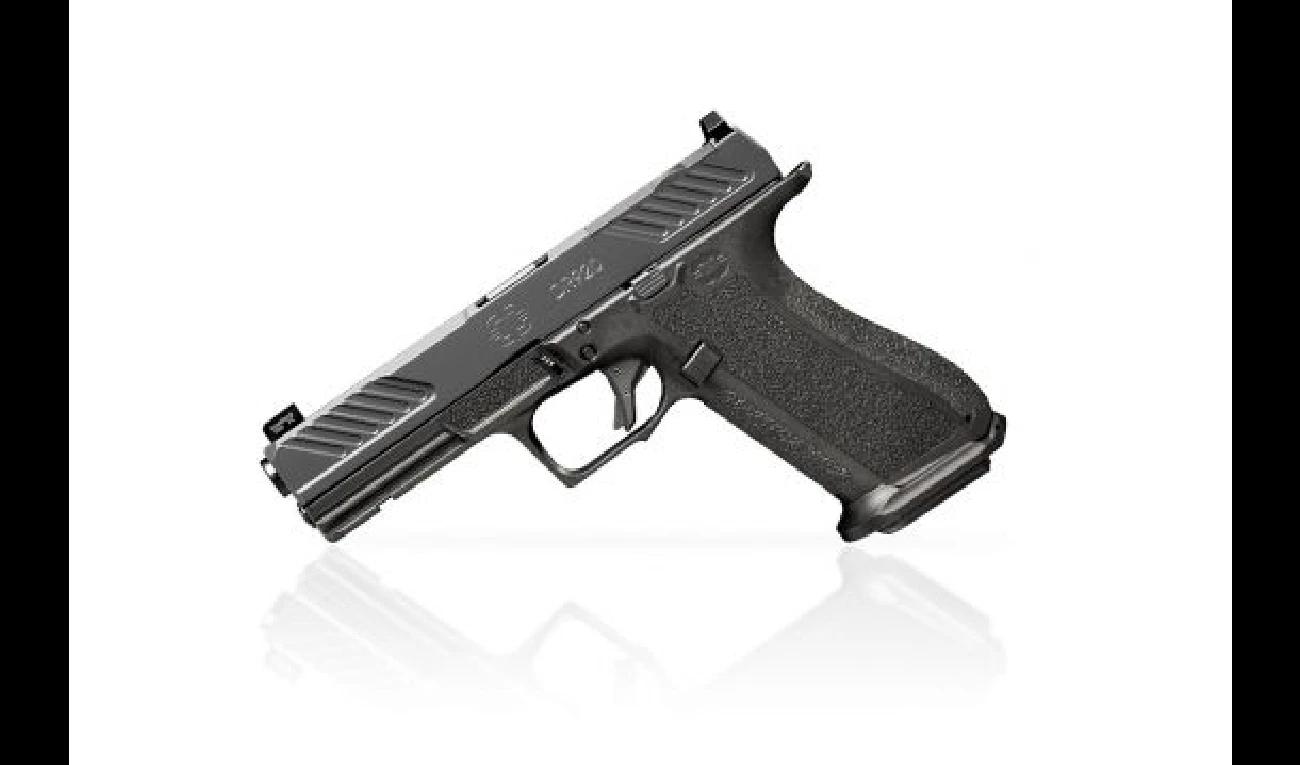
Best For: Shooters who want a fully upgraded Glock 17-pattern gun without sourcing individual parts
Shadow Systems built its reputation on a clear proposition: take a Glock-pattern pistol, fix everything Glock won’t, and ship it as a coherent package. The DR920 delivers on that promise.
We spent about six months shooting the DR920 Combat, and it ran flawlessly every outing. That reliability is what earned it our Exceptional rating, a 9/10 reliability score, and a 10/10 on features.
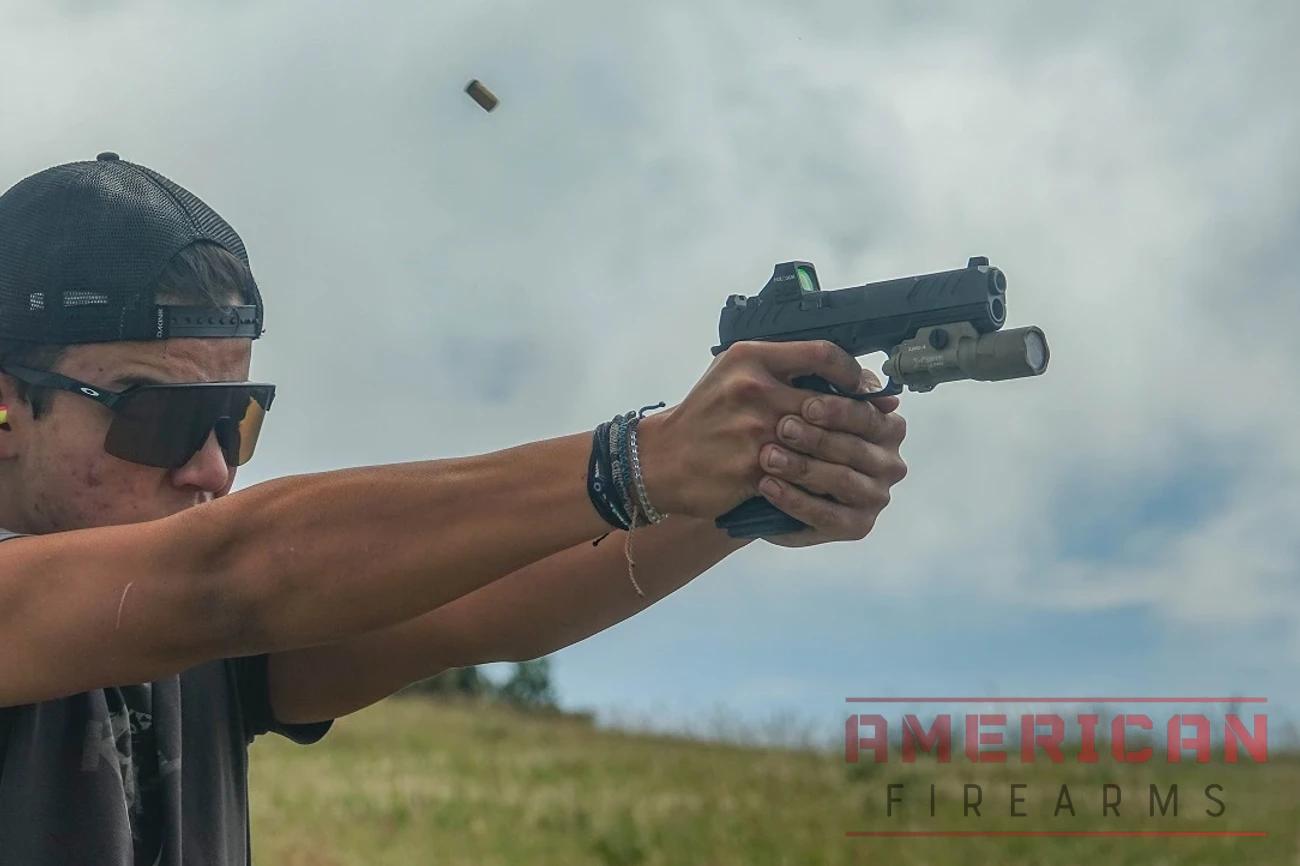
That feature list is the point. Out of the box, the DR920 comes with a threaded barrel, suppressor-height sights with a tritium front dot, an optics-cut slide, three interchangeable backstraps, a reversible magazine release, and front and rear slide serrations on the Combat model, with the Elite adding windowed slide cuts.
The trigger is the standout. We ran it across a trigger scale 30 consecutive times and got the same 4.5-pound result every pull, with a clean break. Mostly on Winchester 124-grain ammunition, it kept groups under 2 inches at 10 yards and proved more accurate than we are.
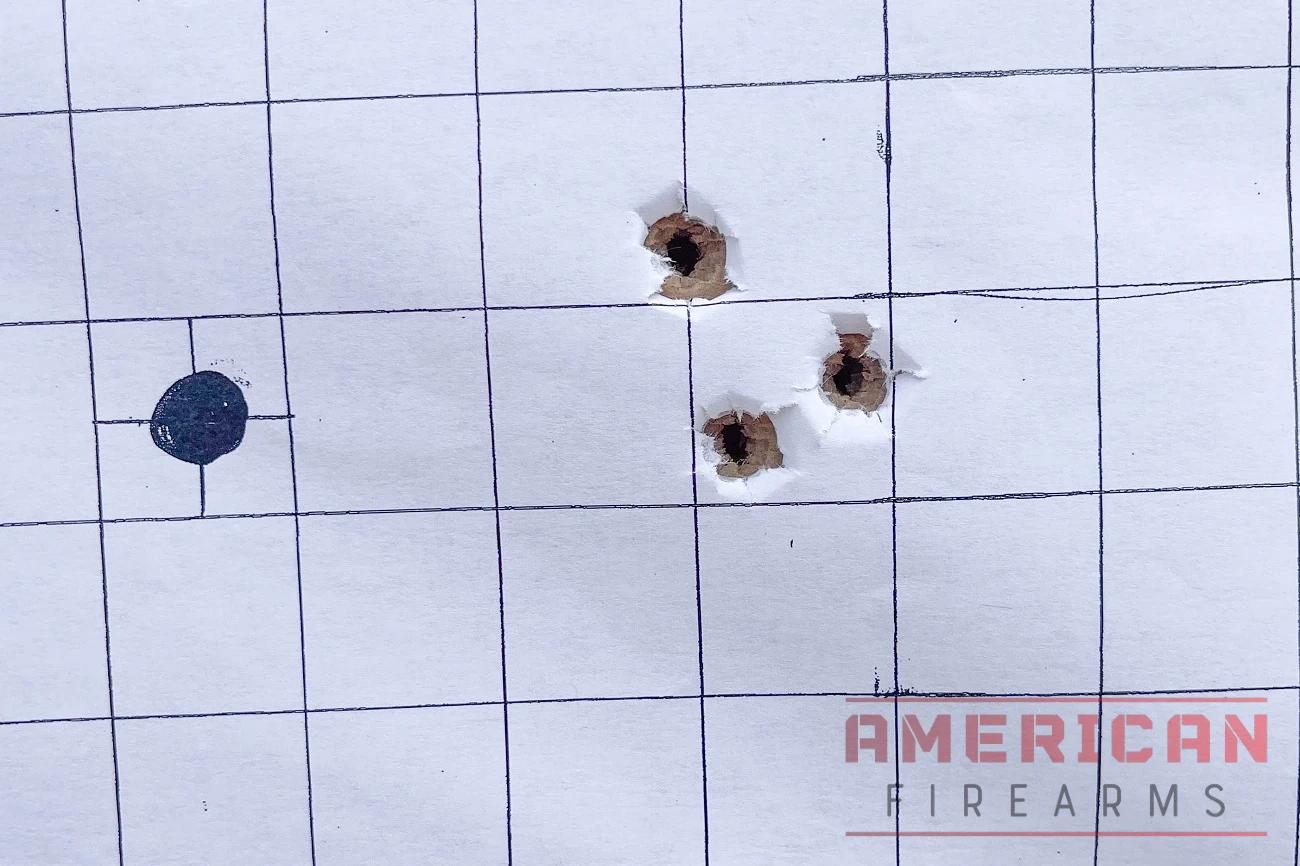
The optic system handles most common footprints with lettered polymer spacers and numbered screw sets. Some optics, like our Primary Arms SLX RS-10, drop in with no spacer at all, but plan on reading the manual to match the rest.
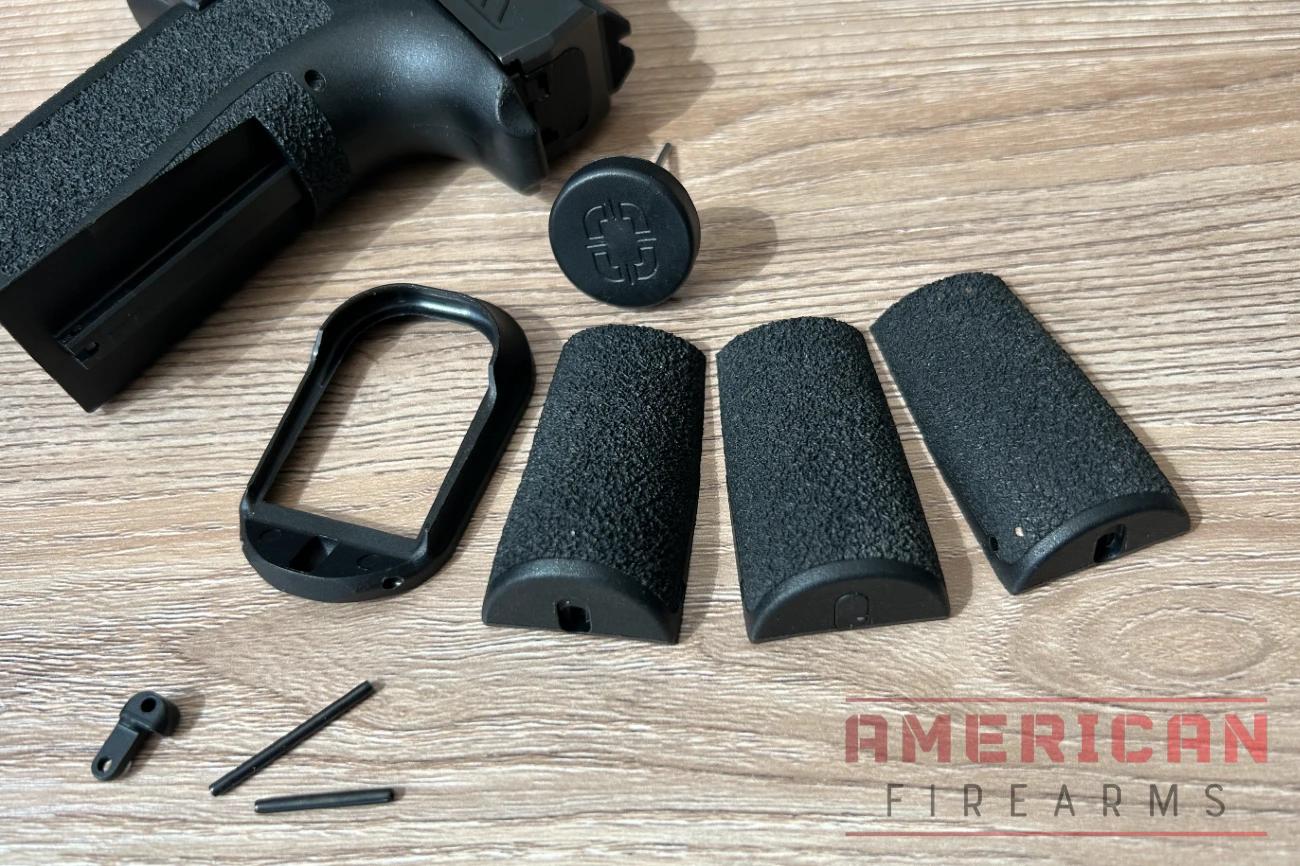
The backstraps are genuinely useful: High delivers a more Glock-like feel, Neutral ships installed, and Low may suit smaller hands. We ran it with a SureFire X300 on the rail, which added enough weight up front to make it a little easier to control, and it rode well in a Safariland 6354DO on a Kore Essentials belt. Glock 17 magazines and Magpul 17-rounders both run in it.
At $840–$889, the DR920 invites comparison with fully upgraded service pistols, and a few details don’t match the price. The grip is as blocky as a stock Glock’s, the trigger guard undercut is shallower than we’d like and puts pressure on the middle finger, and both the magazine release and the sharp-edged slide release feel budget next to the rest of the gun. We also tried the add-on flared magwell and pulled it after a few range trips, since it pressed into the pinky. The MR920 (compact) and CR920 (subcompact) offer the same platform in smaller frames.
Considerations:
- High price point
- Blocky grip and shallow trigger guard undercut
- Magazine release and slide release feel budget compared with the rest of the gun
- Optic spacer setup takes some trial and the manual
| Caliber | Capacity | Weight | OAL | Trigger Pull | MSRP |
|---|---|---|---|---|---|
9mm | 17+1 | 23 oz | 7.75" | 4.5 lbs | $889 |
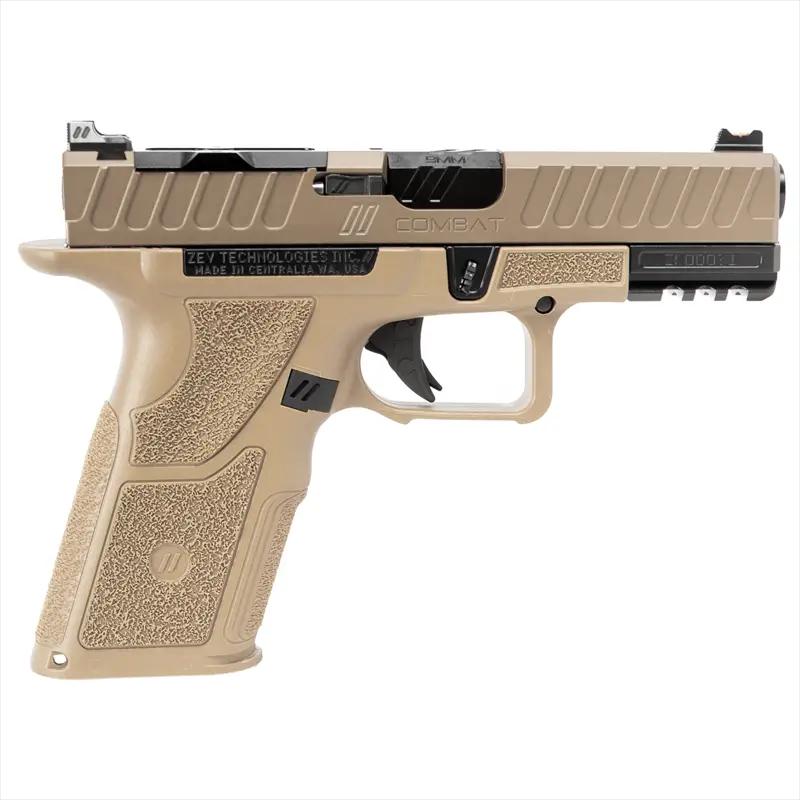
5. ZEV Technologies OZ9 — Best High-End Competition Clone
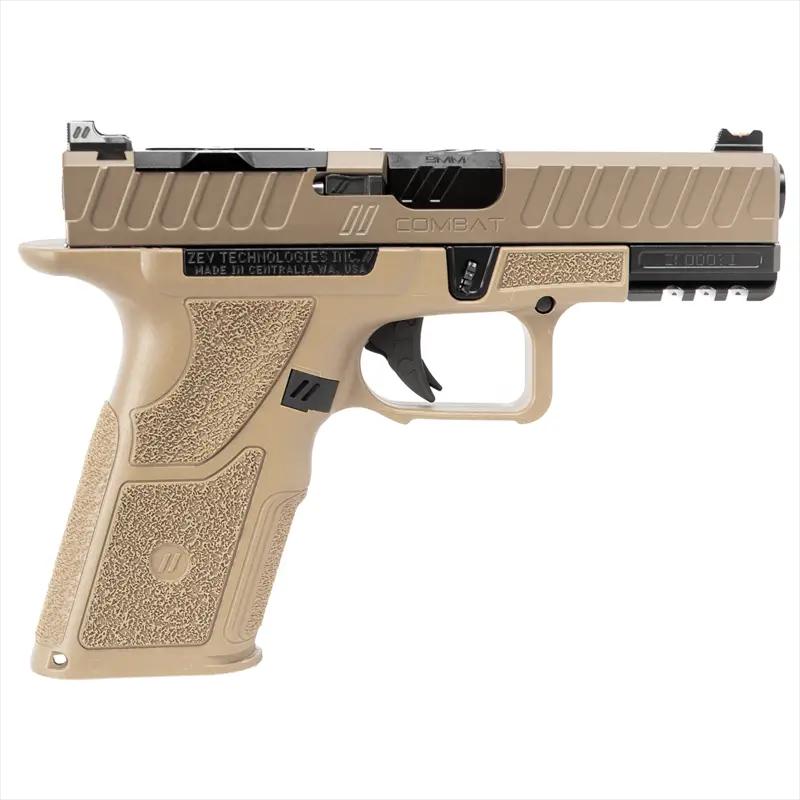
Best For: Competition shooters, serious enthusiasts, buyers who want a steel-chassis Glock-pattern gun with a factory competition trigger
The ZEV OZ9 is frequently grouped with other premium polymer-framed Glock clones, which undersells what it actually is. While the Shadow Systems DR920 and other competitors in this tier build on polymer frames, the OZ9 is built around a machined steel chassis—a receiver that houses the trigger group and slide rails as a serialized component, with a lighter polymer grip module wrapping it.
The steel-over-polymer weight distribution produces measurably flatter shooting than any polymer-framed Glock-pattern gun at the same size, and it’s one of the primary reasons the OZ9 has developed a loyal competition following.
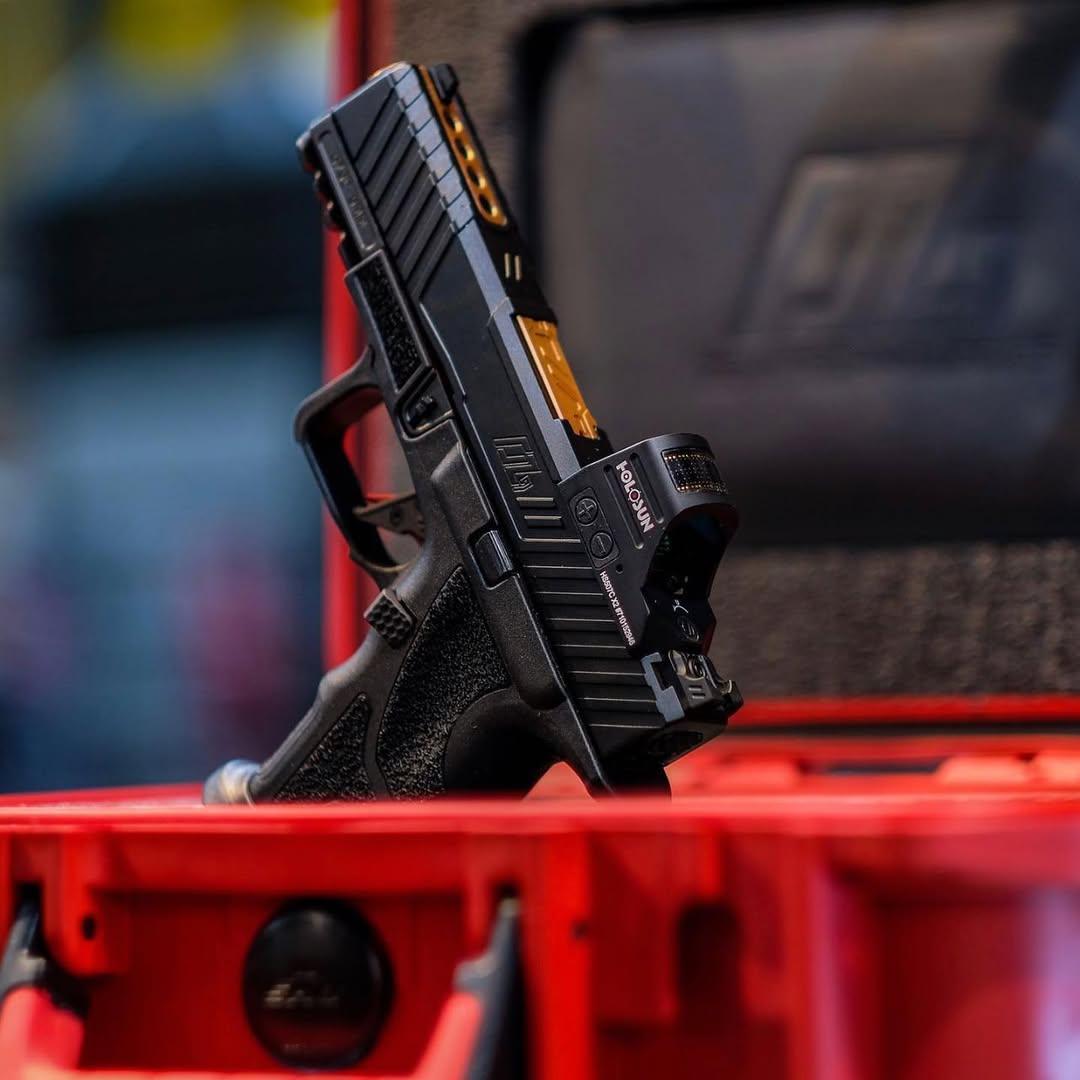
That steel chassis also changed the grip angle. ZEV moved to a 1911-style geometry, which reduces muzzle flip and improves natural pointability for the same population of shooters the Lone Wolf Dusk 19 targets.
The ZEV PRO flat-face trigger on the V2 measures 3.25–3.5 pounds in published testing, not a carry weight, but appropriate for competition use, with a short, audible reset that is somewhere between a stock Glock and a crisp 1911 trigger. In formal accuracy testing, the OZ9 averaged 1.88-inch groups at 25 meters with a red dot mounted, with zero malfunctions across 600 rounds. That accuracy figure is the clearest published benchmark of any gun on this list.
The V2 designation matters: the original OZ9 V1 had documented reliability issues under hard use, which ZEV addressed by moving to hybrid internals including a Gen 5-style barrel and internal components paired with a Gen 3 recoil system. The V2 is a substantially more reliable gun than its predecessor.
One practical consideration that no manufacturer marketing conveniently mentions: the OZ9’s contoured trigger guard sits wider and is differently shaped than a standard Glock, meaning many standard Glock 17 Kydex rigs won’t fit correctly. Some, including certain Safariland and PHLster designs, accommodate it, but buyers should plan to purchase dedicated OZ9 holsters rather than assuming G17 compatibility.
The current OZ9C compact platform has replaced the preceding full-size configuration as ZEV’s production standard.
Considerations:
- Does not reliably fit standard Glock holsters — dedicated OZ9 holsters required
- V1 reliability issues resolved in V2, but worth confirming the production date
- Heavier than polymer-framed competitors
- Price range extends well past $1,000 through custom shop
| Caliber | Chassis | Trigger Pull | OAL | Weight | MSRP |
|---|---|---|---|---|---|
9mm | Steel receiver | 3.25–3.5 lbs | ~7.6" (compact) | 26–28 oz | $1,000–$2,000+ |
6. Lone Wolf Dusk 19 — Best Ergonomic Alternative
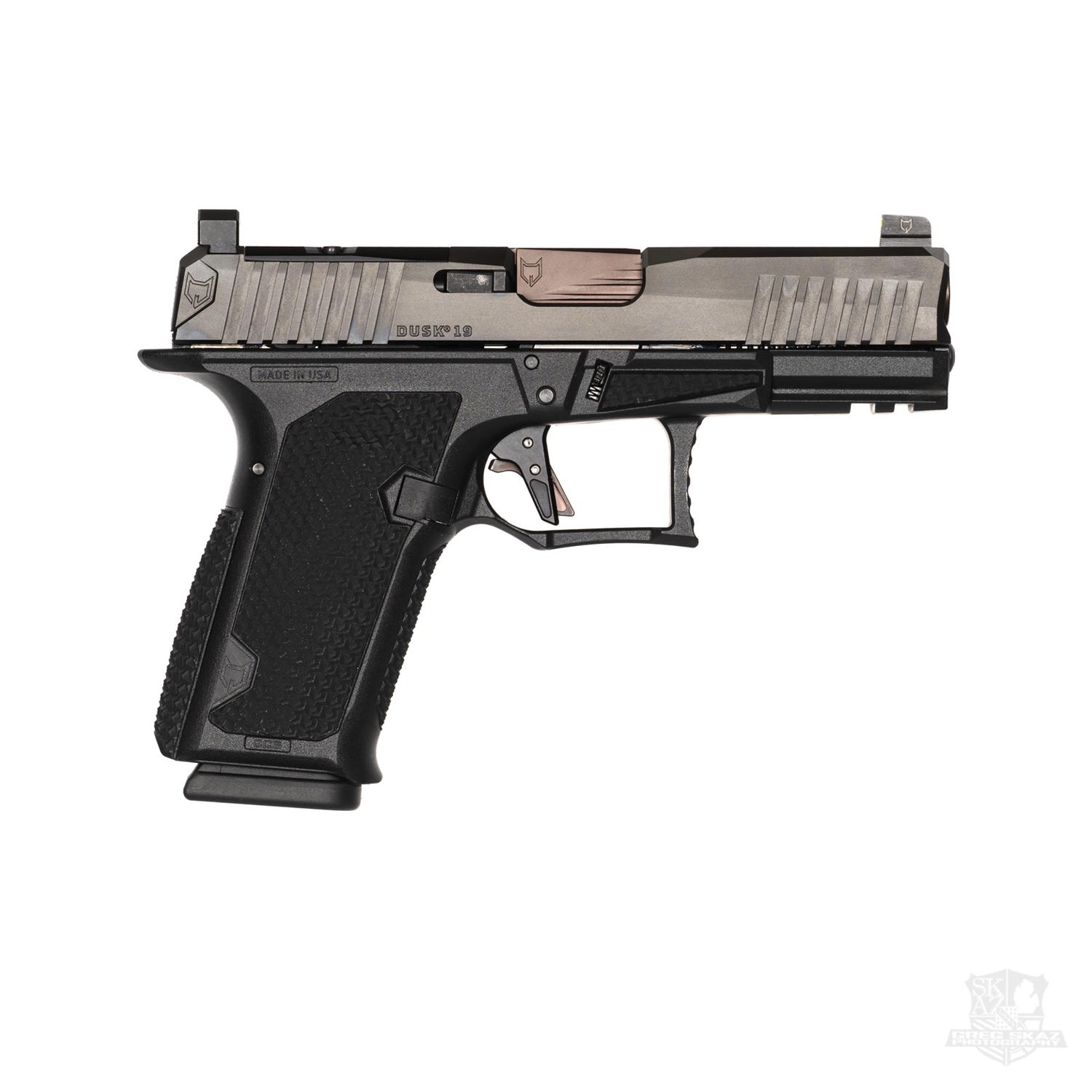
Best For: 1911-trained shooters, buyers who find the Glock grip angle uncomfortable, suppressor hosts
The Lone Wolf Dusk 19 addresses one of the most persistent criticisms of the Glock platform: the grip angle. Where Glock’s polymer frame angles at approximately 22 degrees, a geometry that some shooters find natural and others spend careers compensating for, the Dusk 19 moves to a 19-degree angle that tracks more intuitively for anyone with a background in 1911-pattern pistols or most traditional DA/SA service guns.
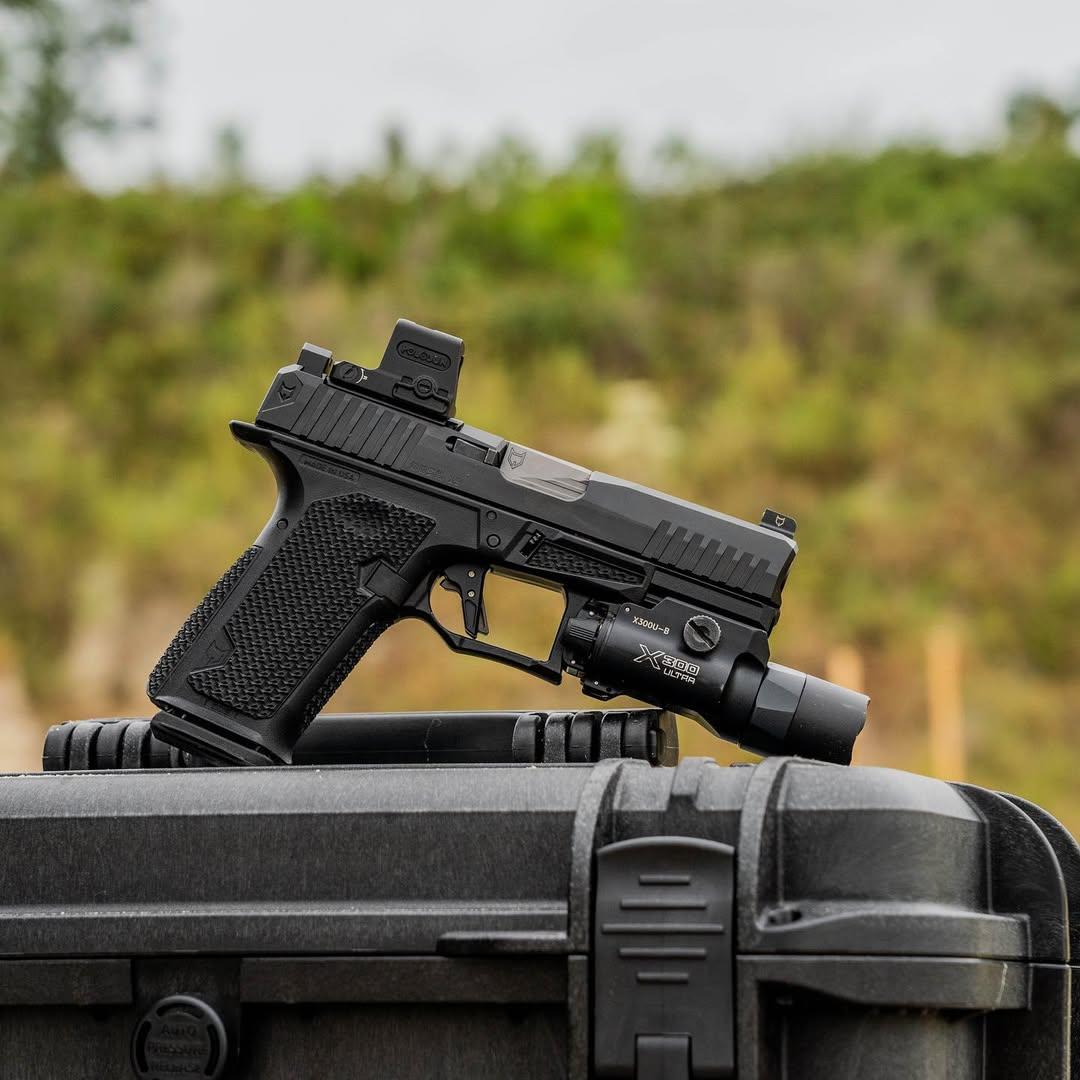
Two interchangeable backstraps are included from the factory: a flat one that fully commits to the 19-degree geometry, and a rounded one that splits the difference closer to Glock’s standard angle — a sensible acknowledgment that not every buyer wants to depart from Glock convention entirely.
For shooters who’ve always found the Glock grip angle slightly off, the Dusk 19 gives the entire Glock-pattern ecosystem a new entry point.
The trigger is a significant step up from stock. Lone Wolf’s flat-faced 6061-T6 aluminum shoe consistently measures 4 lbs 10 oz across multiple independent testers using Lyman gauges, which is noticeably lighter and crisper than a Gen 3 Glock 19, which measured 5 lbs 8 oz on the same gauges, with a short, audible reset and minimal overtravel.
Night Fision tritium suppressor-height sights are included standard, and the RMR-pattern optic cut co-witnesses with those sights once a red dot is mounted. A standard Picatinny rail replaces Glock’s proprietary accessory rail, broadening weaponlight compatibility.
The threaded 416 stainless steel PVD-coated barrel ships standard, not as an upcharge, saving the buyer $50–$150 in aftermarket costs. There’s also a slot for a spare CR2032 battery machined into each backstrap, a small detail that earns disproportionate appreciation on a dark range.
A few real-world findings from published testing are worth noting plainly. First-production copies showed limp-wrist sensitivity that produced stovepipe failures under deliberately soft grip — an issue Lone Wolf addressed in subsequent production runs.
Holster fit is not universal: our testing confirmed that “many but not all” G19/G17 holsters in their kit accommodated the Dusk 19, as the dimensions are close but not identical to stock Glock. And the grip texture, while excellent for control in wet or high-stress conditions, can abrade bare skin after extended IWB carry without a fabric holster barrier. Budget for a lined holster or a holster with a sweat guard if you plan to carry it daily.
Considerations: Adjusted grip angle requires deliberate recalibration for established Glock shooters; variable G19 holster fit — verify compatibility before purchase; aggressive texture may abrade skin in IWB carry; first-production limp-wrist sensitivity addressed in current production
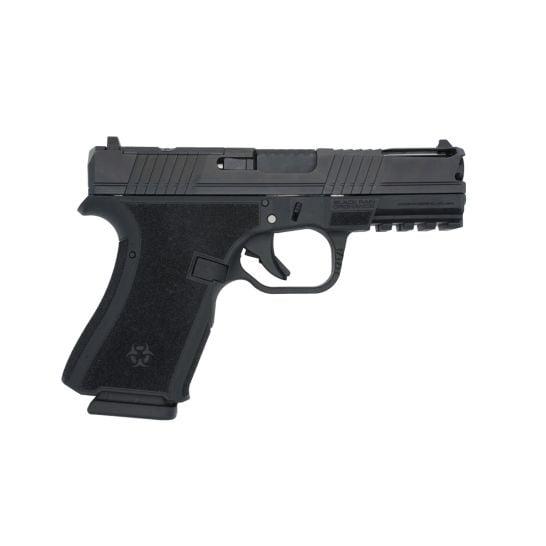
7. Black Rain Frontline — Best Custom Glock Clone
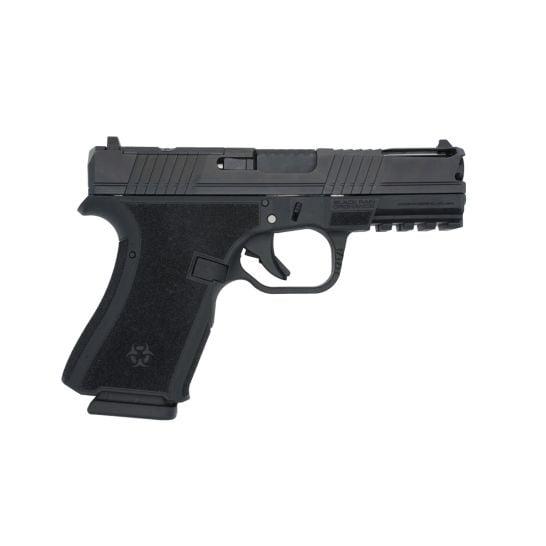
Best For: Buyers who want factory custom aesthetics, Cerakote finish options, and a proven Gen 3 base without gunsmith lead times
Black Rain Ordnance operates one of the largest in-house Cerakote operations in the industry, and the Frontline series brings that directly to the Glock clone market.
The core appeal is simple: a Glock 19 Gen 3-pattern pistol with aggressive slide serrations front and rear, an undercut trigger guard, upgraded stippling, beveled slide edges for snag-free draw, AMERIGLO sights, RMR-ready slide cut, and a factory Cerakote finish — all from the manufacturer, all covered under a lifetime customer warranty, at a street price of $550–$620.
That package would run $700–$900 on a stock Glock with comparable gunsmith work applied.
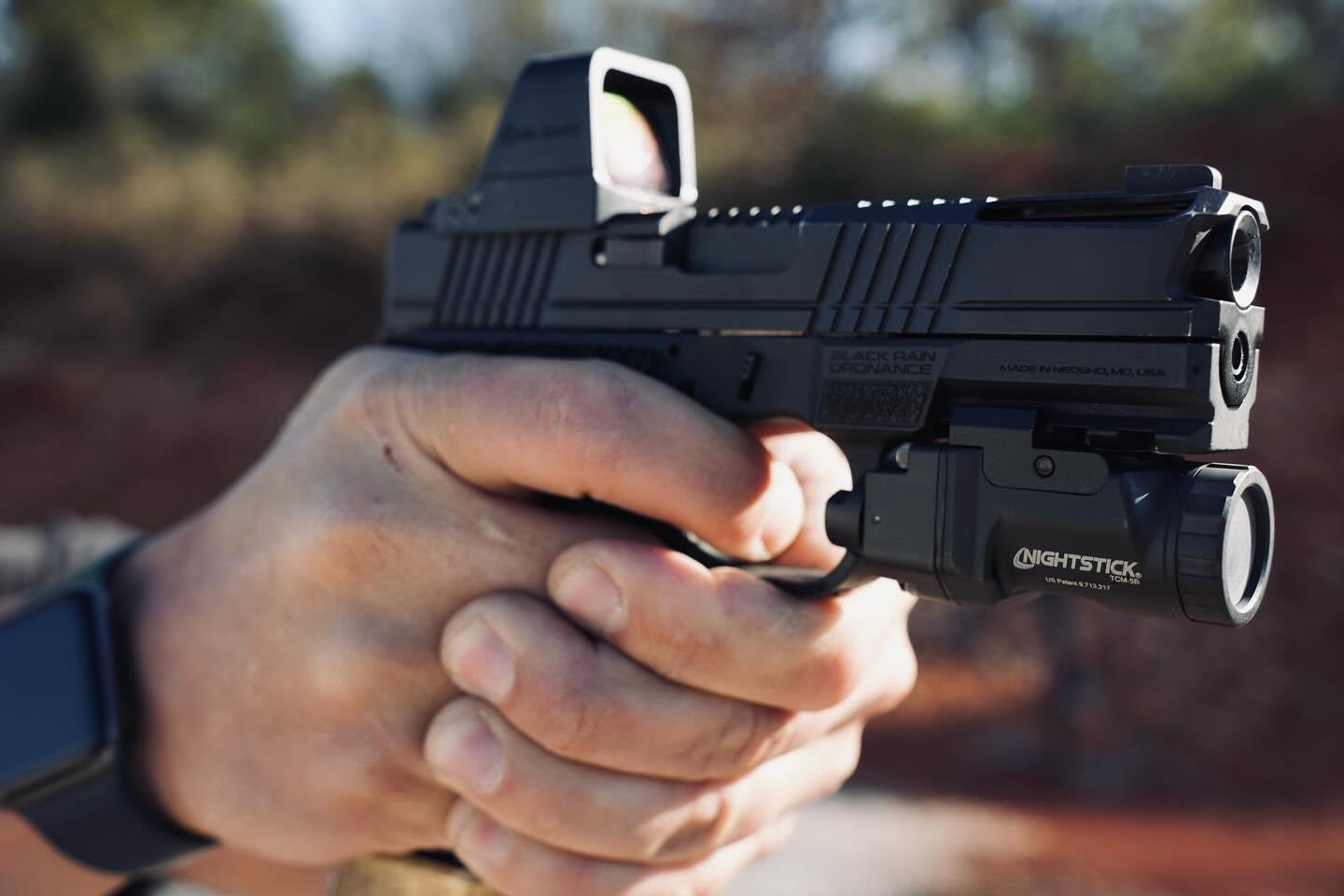
Two configurations are available. The standard Frontline is a clean, non-ported G19-pattern pistol with the upgrades noted above. The Frontline+ adds a ported barrel and slide for reduced muzzle flip, at a modest upcharge.
The porting is effective on a compact 9mm, especially with standard-pressure ammunition rather than +P loads, where compensators and porting do their best work.
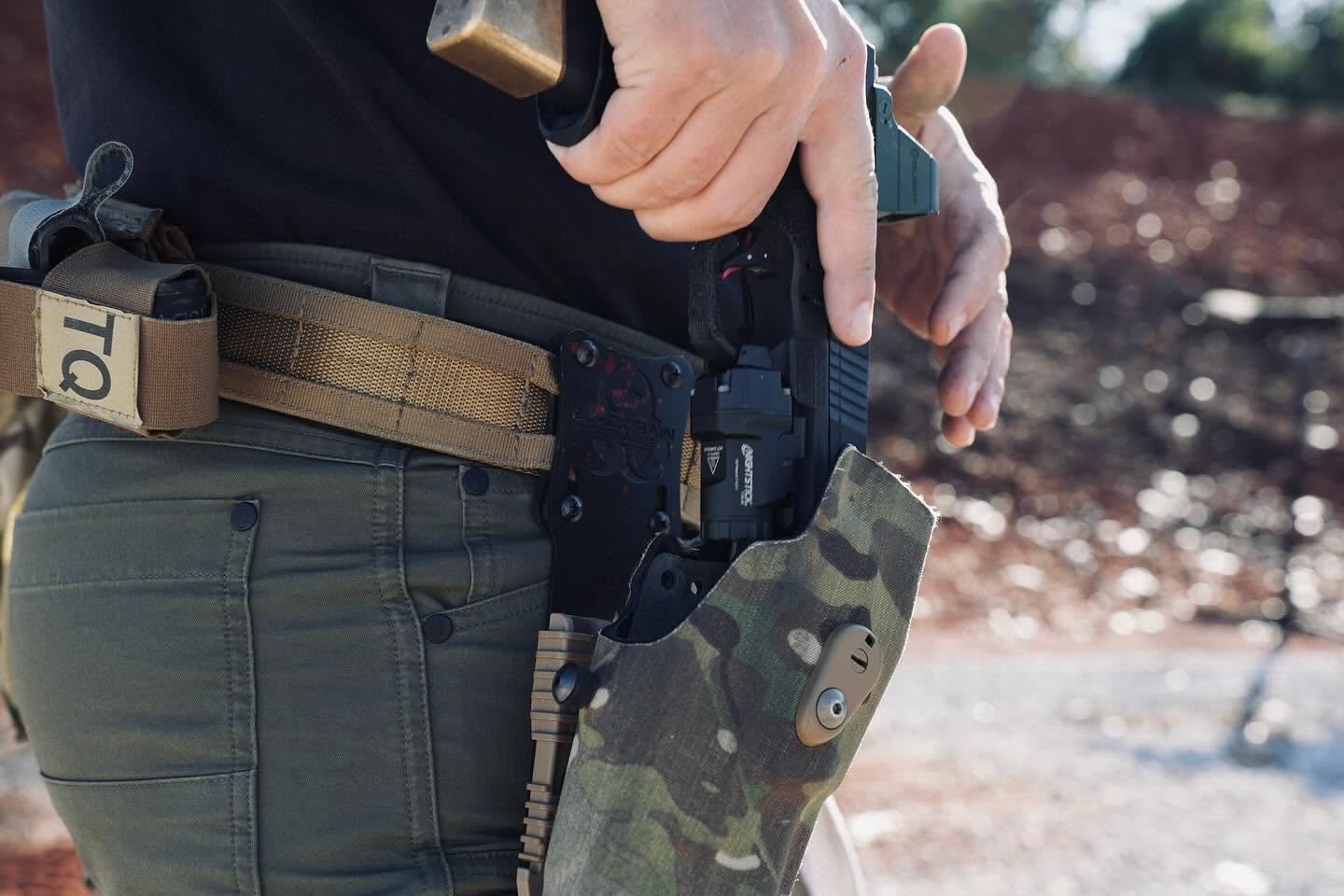
Both configurations accept standard Glock-pattern GL-9 magazines without modification, fit G19-pattern holsters reliably, and accept Glock aftermarket internals for buyers who want to go further. Stainless steel retention pins are a standard feature that BRO specifically built in to allow user upgrades without voiding the warranty, a deliberate design choice most manufacturers don’t bother making.
Range testing showed zero malfunctions across multiple ammunition types and brands — including a deliberate limp-wrist test the Frontline passed cleanly, with consistent 15-yard groupings growing slightly at 25 yards. The factory trigger runs at the standard 5.5 lb Gen 3 pull weight; it’s not a selling point, but it’s appropriate for a carry-designated pistol that ships as a complete, ready-to-run package.
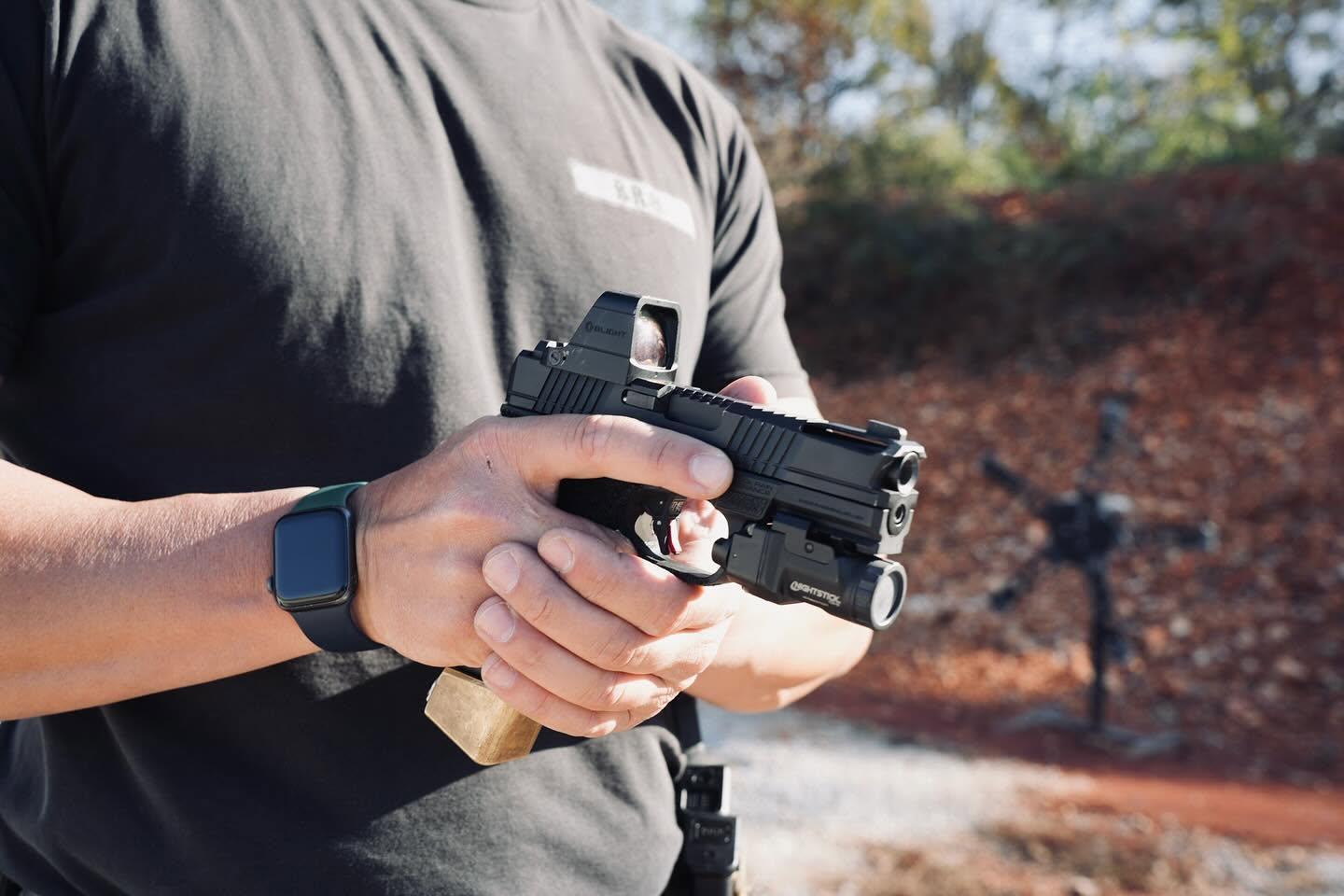
The Cerakote finish options, including “Battleworn” patterns in multiple colorways, are Frontline’s most visible differentiator, and Black Rain’s in-house application keeps quality consistent rather than relying on a third-party finisher.
Considerations:
- Factory trigger is standard Gen 3 weight — an upgrade candidate if that matters to you
- Frontline+ porting is most effective with +P loads
- Smaller aftermarket ecosystem than Shadow Systems or ZEV platforms
- Some buyers will find “Battleworn” aesthetics polarizing
How To Choose The Right Glock Clone
Magazine and Holster Compatibility First
The table above tells you most of what you need to know, but one entry deserves a specific callout before anything else. If you’re considering the PSA Micro Dagger because you assume it takes Glock G43X magazines, it does not. The Micro Dagger uses proprietary PSA-designed double-stack magazines.
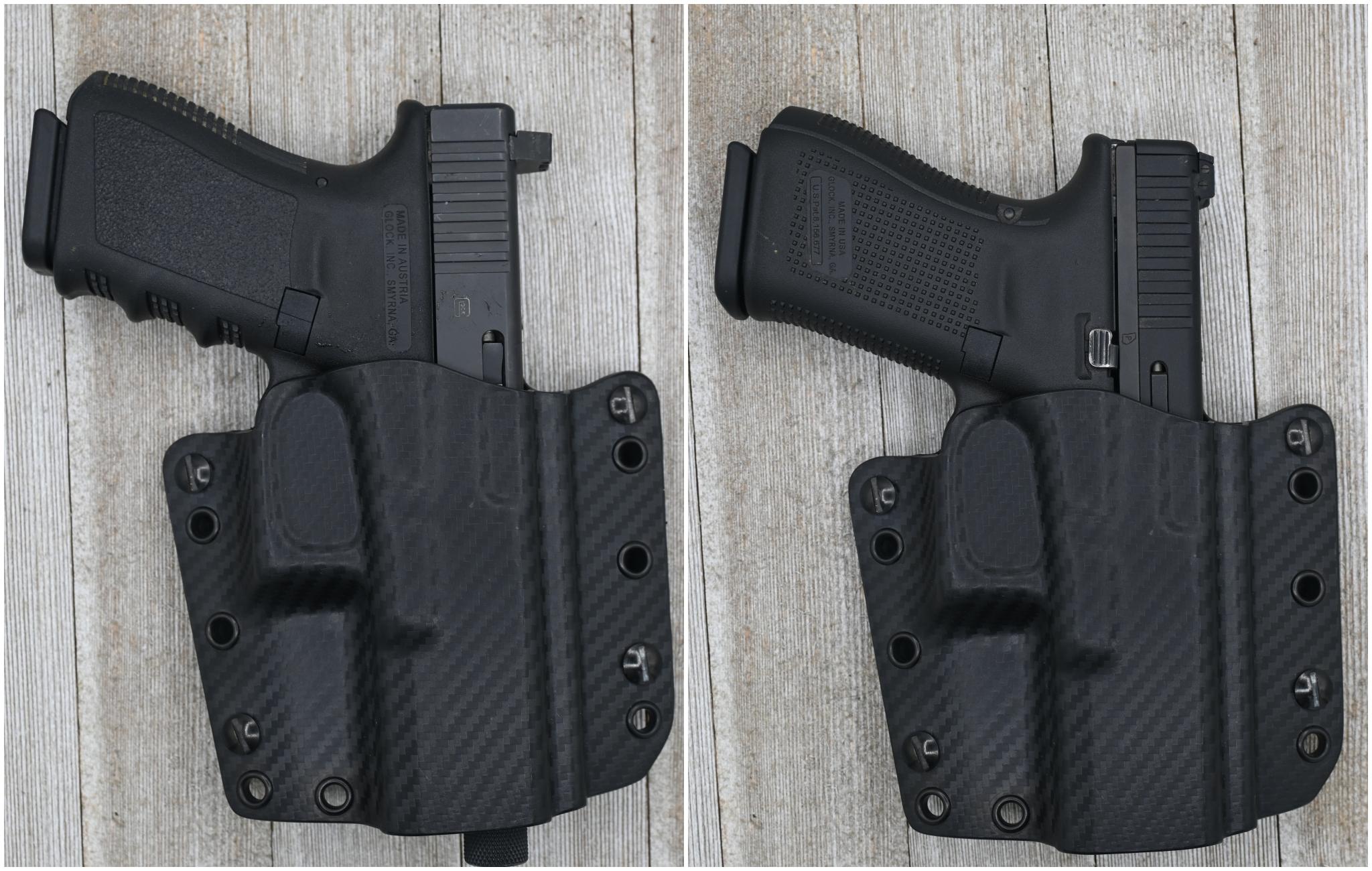
This deliberate engineering choice enabled 15+1 capacity without the Shield Arms magazine release modification that G43X owners need to reach the same count. If you own G43X mags, they stay with the G43X. Budget for PSA V2 mags when you buy the gun, and clean and function-check them before committing them to carry.
The same scrutiny applies to holster claims across the board. Most manufacturers in this category market their guns as fitting “Glock 19-pattern holsters,” and most of the time that’s accurate — but the Dusk 19, the ZEV OZ9, and, to a lesser extent, the PSA Dagger with suppressor-height sights can produce surprises with specific Kydex rigs.
The ZEV OZ9’s contoured trigger guard is the most significant departure: many standard G17 holsters don’t fit correctly, and buyers should plan on OZ9-specific holsters rather than assuming compatibility. Verify your specific holster-and-gun combination before the gun goes into carry rotation.
Match the Platform to the Mission
Each gun on this list reflects one of three broad philosophies: deliver as much Glock-pattern capability as possible at the lowest viable price; deliver a fully upgraded Glock-pattern gun without requiring aftermarket assembly; or rethink some aspect of the platform entirely. Buyers who understand which philosophy they’re buying into make better decisions.
The PSA Dagger and Micro Dagger are price-philosophy guns. The Shadow Systems DR920, Black Rain Frontline, and Lone Wolf Dusk 19 are complete-philosophy guns; in other words, they ship as finished packages rather than platforms to be upgraded.
The Ruger RXM and ZEV OZ9 are rethinking-philosophy guns: the RXM rethinks serialization and modularity, the OZ9 rethinks the frame material and chassis architecture entirely.
For concealed carry where budget is the binding constraint, the Micro Dagger and RXM are the right finalists — the RXM for buyers who value modularity and don’t want to think about magazine ecosystem trade-offs, the Micro Dagger for buyers who want maximum capacity at minimum cost and can accept the proprietary mag situation.
For range use, training, or a duty-adjacent role, the DR920’s full-size frame, measured trigger consistency, and six-month no-malfunction track record put it in a category of one among premium clones.
For competition, the OZ9 V2’s 3.25–3.5 lb factory trigger, steel chassis, and 1.88-inch average groups at 25 meters with a red dot are the clearest published performance numbers in this field.
The Direct Answer: Look at the Dagger
If you’re a first-time Glock-platform buyer and budget is the constraint: buy the PSA Dagger and spend the $200 you saved on a quality holster and two extra magazines. If you’re building a carry-specific setup and want the best mix of modularity and value, go with the Ruger RXM.
If you want the best factory-complete Glock-pattern pistol and price is secondary, go with the Shadow Systems DR920. If the Glock’s grip angle has always bothered you: handle the Lone Wolf Dusk 19 before dismissing the platform entirely — the 4 lbs 10 oz trigger alone may change the conversation.
And if your primary arena is competition and you’re prepared to budget for dedicated holsters: the ZEV OZ9 V2 earns its price in ways that only become apparent at round count.
Does the Glock Gen 6 Change the Clone Equation?
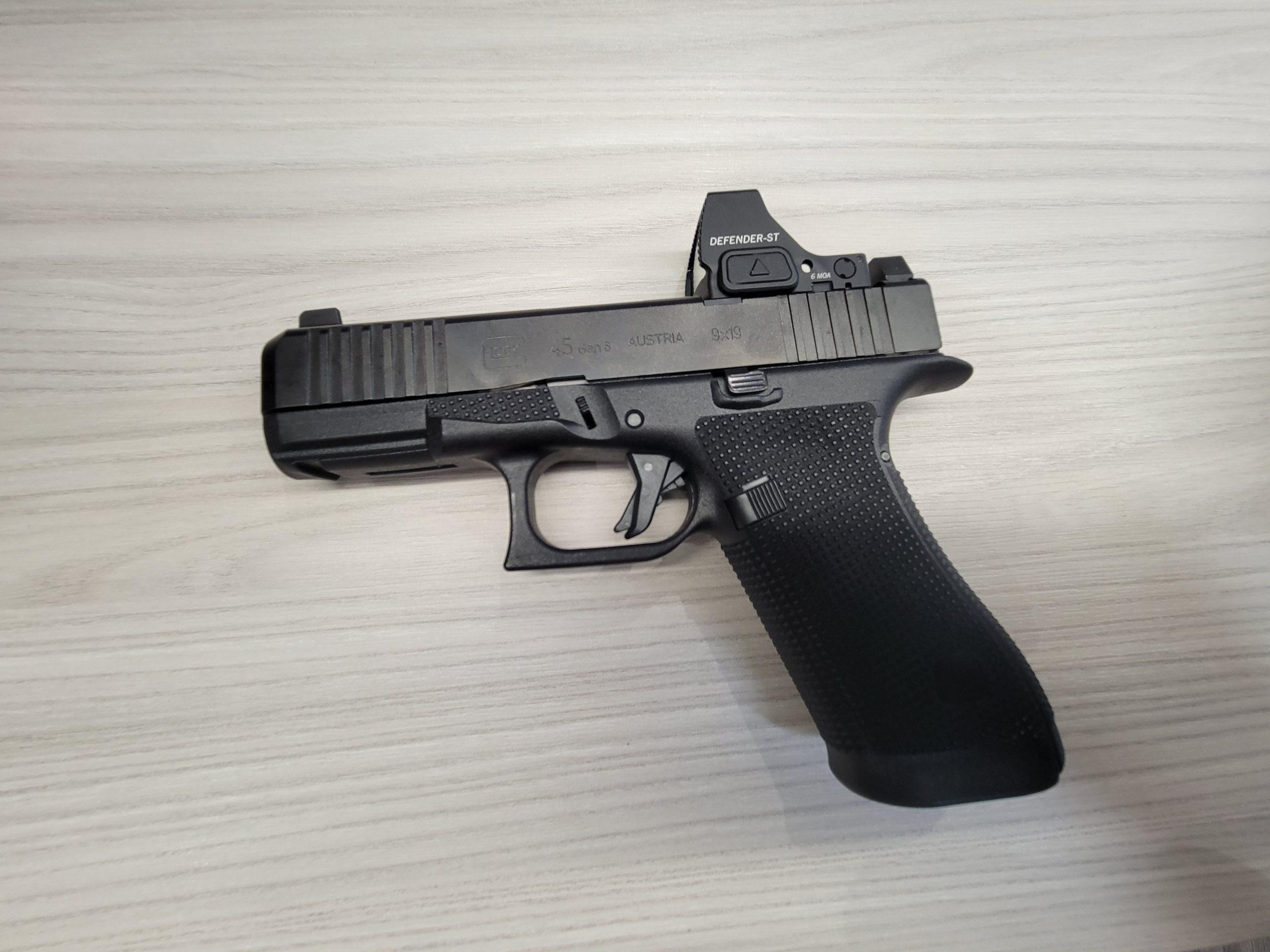
It is a fair question, and buyers researching this market in 2026 are right to ask it. The Gen 6 launched in January 2026 with the G17, G19, and G45 at the same $745 MSRP as the outgoing Gen 5 MOS, easily making it Glock’s most serious competitive response to the clone market.
In a single release, it addresses essentially every ergonomic complaint that drove buyers toward clones in the first place.
The Gen 6 ships with a factory flat-face trigger, an integrated beavertail, a deeper trigger guard undercut, RTF-6 grip texture that extends further up the frame than any previous generation, and bilateral thumb ledges — the “gas pedal” shelf that competition shooters have been sourcing from aftermarket builders for years.
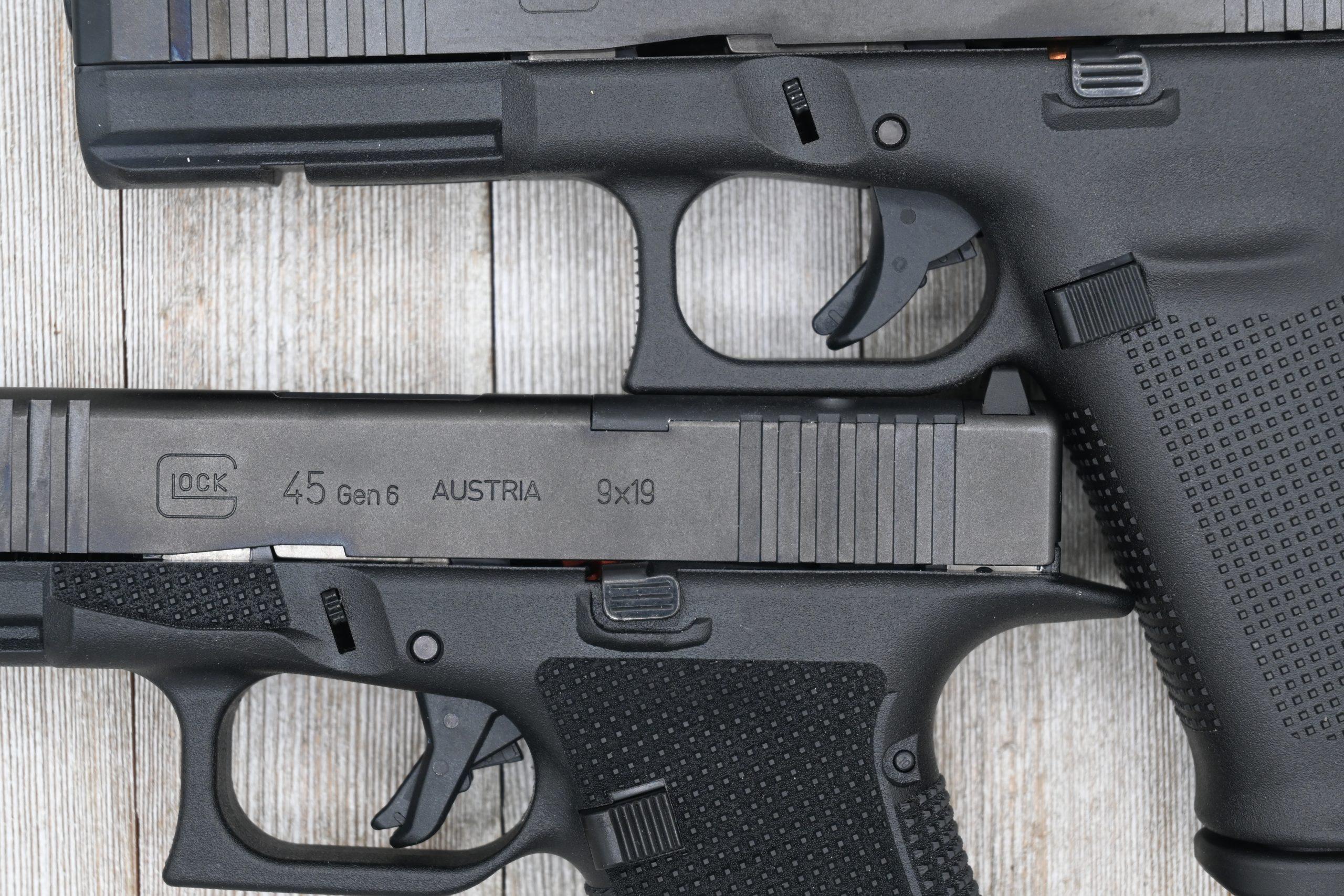
The new ORS (Optic Ready System) replaces the MOS plate with a direct-mount insert design that sits lower over the bore, eliminating the height-over-bore complaints that pushed optics users toward Shadow Systems and ZEV.
In our Glock 45 Gen 6 review, the pistol returned just under 2-inch groups at 25 yards and zero malfunctions across nearly 1,000 rounds and scored a 10/10 on ergonomics and accuracy.
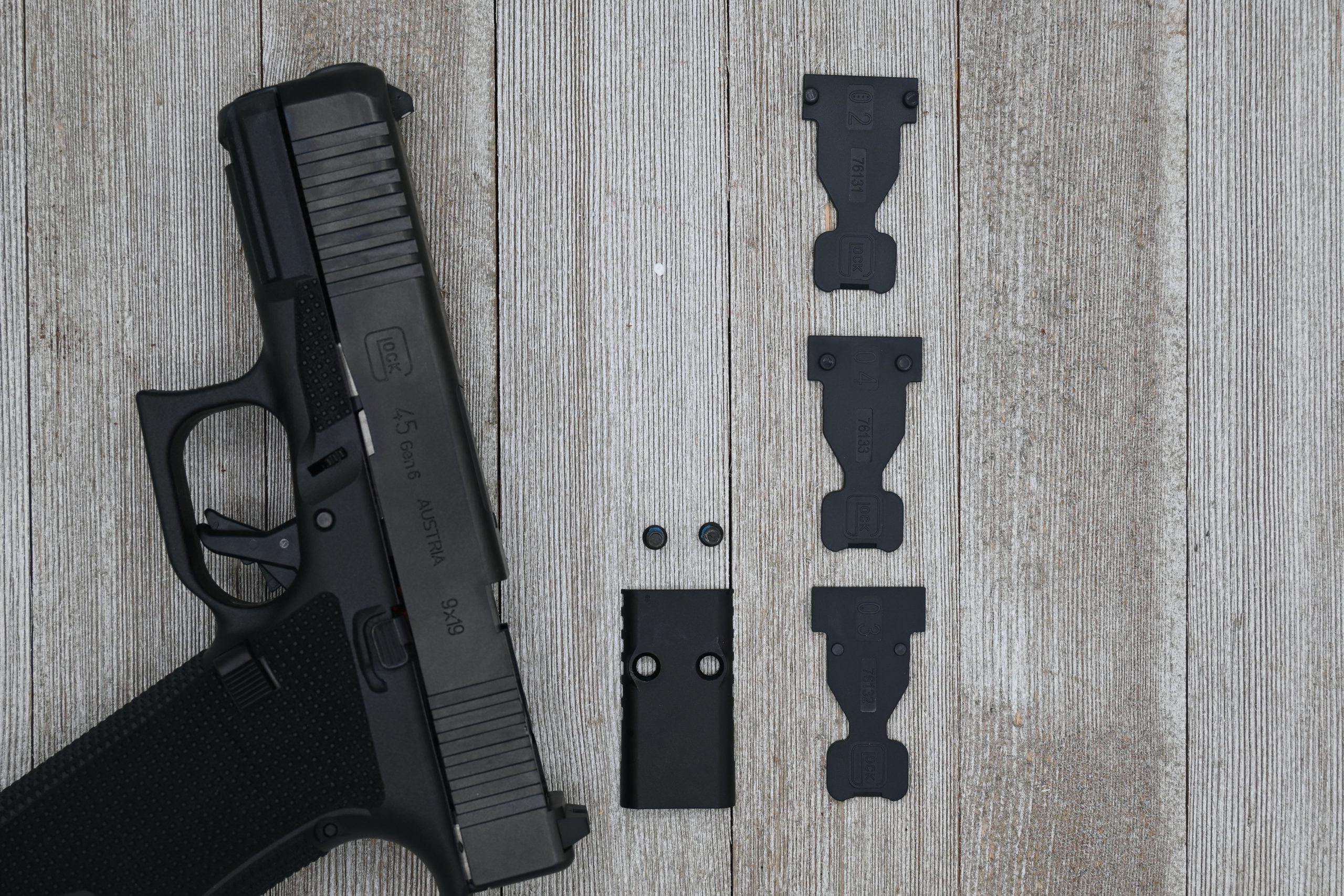
So does it close the gap? On ergonomics and optics mounting: largely yes. The feature list that made the Shadow Systems DR920 look obviously superior to a stock Gen 5 Glock is now shorter.
For many features, the gap remains substantial. The Gen 6 factory trigger still measures 5.8 lbs. However, it is a flat-face trigger, which is progress, and heavier than the DR920’s consistent 4.5-lb break or the Dusk 19’s measured 4 lbs 10 oz.
The Gen 6 aftermarket is currently sparse; Gen 6-specific triggers, internals, and barrels are still arriving, which means the upgrade path that made the Gen 3 clone ecosystem so flexible isn’t yet available for buyers who want to go further.
Critically, Gen 6 internal parts such as the barrel, extractor, trigger housing, and striker assembly do not interchange with Gen 5 or earlier components. Buyers who’ve invested in Gen 3 and Gen 5 spare parts stock will have to start over.
The price and modularity arguments for clones are unchanged. A PSA Dagger priced at $299 is still $446 less than a Gen 6 at $745. The Ruger RXM’s serialized fire control insert is still the only Glock-pattern pistol that lets you change grip modules while keeping the same serialized firearm.
The ZEV OZ9’s steel chassis still produces measurably flatter shooting than any polymer-framed Glock at any generation. And the Gen 6 launch currently covers only three 9mm models, no sub-compacts, no alternate calibers, meaning large portions of the market the clones serve don’t yet have a Gen 6 option to consider.
The Gen 6 is the best factory Glock ever made. For a buyer choosing between a stock Gen 6 and a stock Gen 5, the upgrade case makes itself. For a buyer choosing between a Gen 6 and a Shadow Systems DR920, a Ruger RXM, or a PSA Dagger, the calculus is considerably more nuanced than it was 18 months ago, but in no way resolves in Glock’s favor across every use case and budget.
FAQs
What is a Glock clone?
Is the PSA Dagger a Glock clone, and which Glock does it copy?
Is the PSA Dagger as good as a Glock 19?
Is the Ruger RXM a Glock clone?
Are Shadow Systems pistols Glock clones?
Wrap Up
The Glock clone market has matured to the point where the question is no longer whether a clone can match a stock Glock—several guns on this list outperform it on features, ergonomics, and factory trigger quality even after the Gen 6 update. The real question is which platform solves the specific problem you’re trying to solve, and at what price point that solution makes sense.
Before finalizing a purchase, get your top contenders in your hands if possible. Grip-angle differences that read as minor specifications on paper can feel significant on the range, and a pistol that doesn’t point naturally won’t serve you as well, regardless of its test results. Verify holster compatibility independently — suppressor-height sights, ported slides, and non-standard trigger guard geometry can create surprises with Kydex rigs designed around stock Glock dimensions.
And if you’re switching grip geometry or trigger feel from a gun you’ve carried for years, budget range time to rebuild muscle memory before the new pistol goes into regular carry rotation.
For more on building out a Glock-pattern setup, see our picks for the best Glock triggers, best concealed carry holsters, best 9mm pistols, and the best Glock handguns. And if the Gen 6 has your attention, our full Glock 45 Gen 6 review covers every change in detail.
Meet the Experts

Written By
Michael Crites
Licensed Concealed Carry Holder
- Founder of AmericanFirearms.org
- Licensed Concealed Carry Holder
Pistols & Revolvers
Further Reading
Sign up for our newsletter
Get discounts from top brands and our latest reviews!