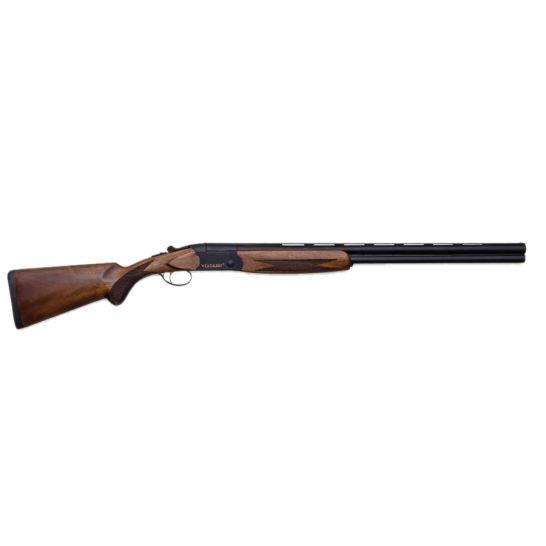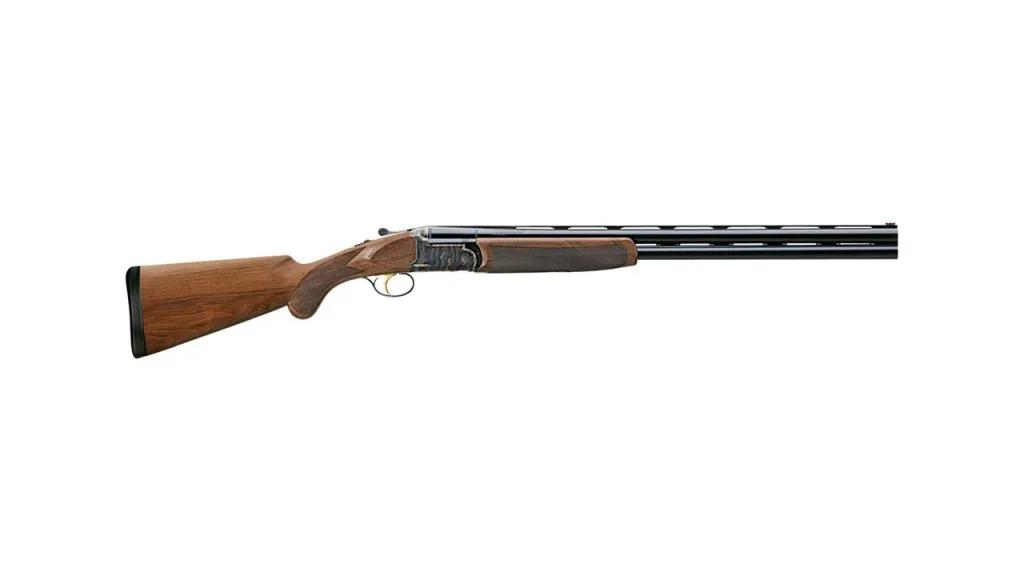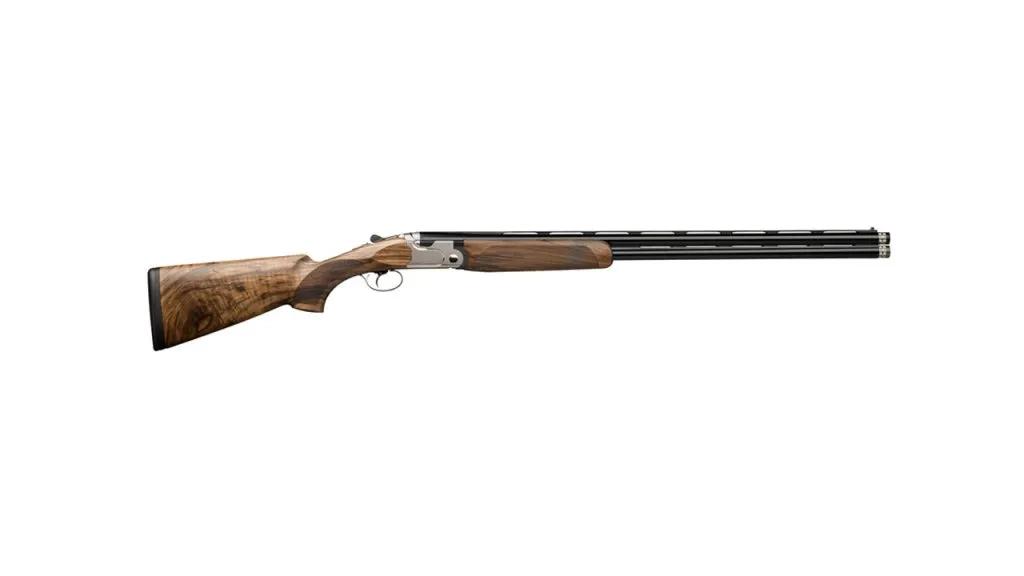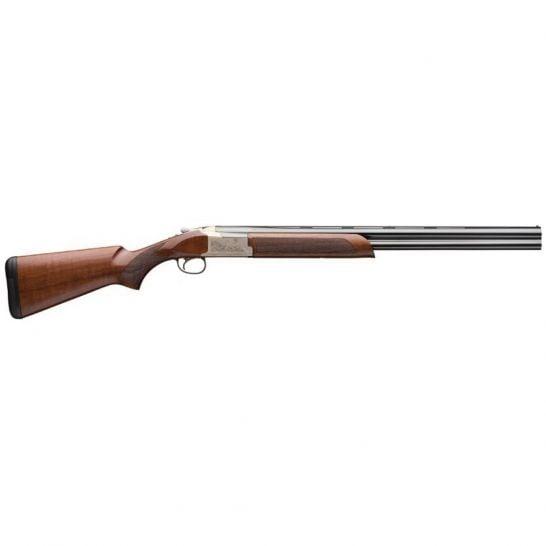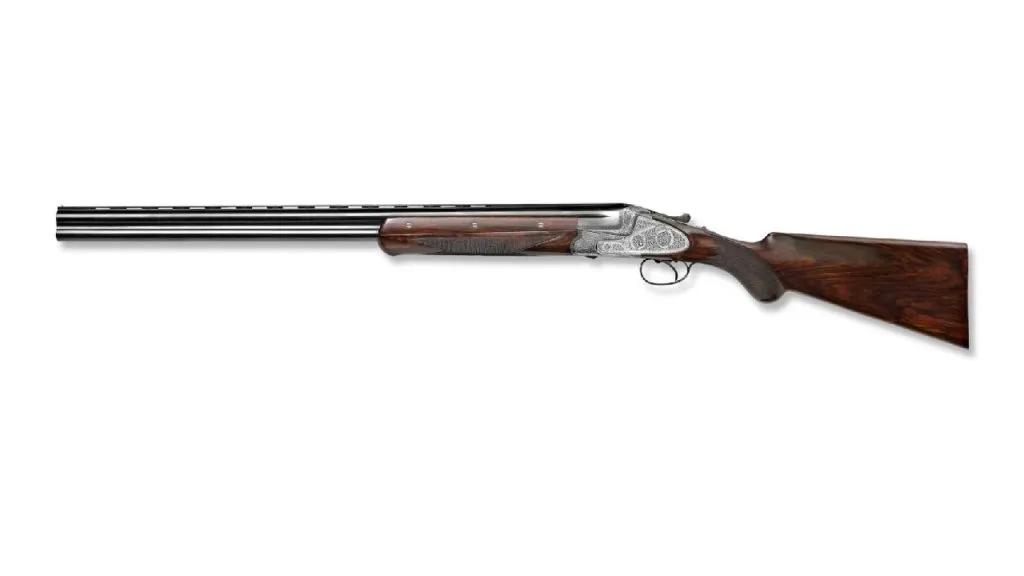
Best Over Under Shotguns: What I Learned After Buying the Expensive One First
What makes for the best over-under shotguns -- and what makes them special? We dive deep into the world of O/Us.

Written By
Michael Crites
Licensed Concealed Carry Holder
Reviewed by
Editorial Team
Learn About The Editorial Team
Share:
Products are selected by our editors. We may earn a commission on purchases from a link. How we select gear.
Updated
Sep 2026
I bought the Beretta 686 Silver Pigeon I in October, convinced it was the last over-under shotgun I’d ever need. The oil-finished walnut was gorgeous, the scrollwork on the receiver looked like something that belonged in a museum, and the action closed with the kind of thunk that makes you feel like you’ve made a responsible adult decision. Three weeks later, I was on a dove field outside of Yuma, reaching into the back seat for the Stoeger Condor Supreme I’d been meaning to sell.
I’ve done it four times since. Maybe five.
This isn’t a knock on the Silver Pigeon — it’s a magnificent gun, and we’ll get to exactly why in a moment. But if you’re shopping for the best over-and-under shotgun and you’re letting price be your proxy for fit, the most expensive option will end up sitting in your safe while the one you actually shoot stays in the truck. I’ve watched enough guys make that mistake — and made it myself enough times — that it seemed worth writing about honestly before pointing you at a list of guns and their prices.
If you want the short version: the Stoeger Condor Supreme is the gun I actually reach for, and it’s the one I’d point most first-time buyers toward — reliable, ejector-equipped, and cheap enough that you won’t baby it. If you’re just starting out and want to spend even less, the Mossberg Silver Reserve will teach you the platform without a tuition penalty. And if you shoot clays seriously enough to feel a better trigger and better fit, the Beretta Silver Pigeon I is worth every dollar — just don’t buy it thinking it’ll replace a $600 work gun for everything else.
In This Article
The Real Case for Over-Unders
John Moses Browning finished the Superposed in 1931, and the platform has dominated clay shooting competition and upland hunting ever since. The sporting gun case for O/Us is the same now as it was then: single sighting plane, two chokes instantly selectable, a break-action that tells you at a glance whether the gun is loaded, and mechanics simple enough to operate in the dark, in the rain, or with cold fingers. The hinge-based action has essentially nothing to go wrong compared to a semi-auto gas system. Open, load, close, shoot.
Plus, over-unders are the only shotguns allowed at many clay shooting venues, so on the skeet field and the sporting clays course, the argument is settled before it starts.
What doesn’t get said enough: none of those advantages scale with price. The break-action on a Mossberg Silver Reserve operates on the same principle as the one on a Browning Citori. The clay doesn’t know what you paid.
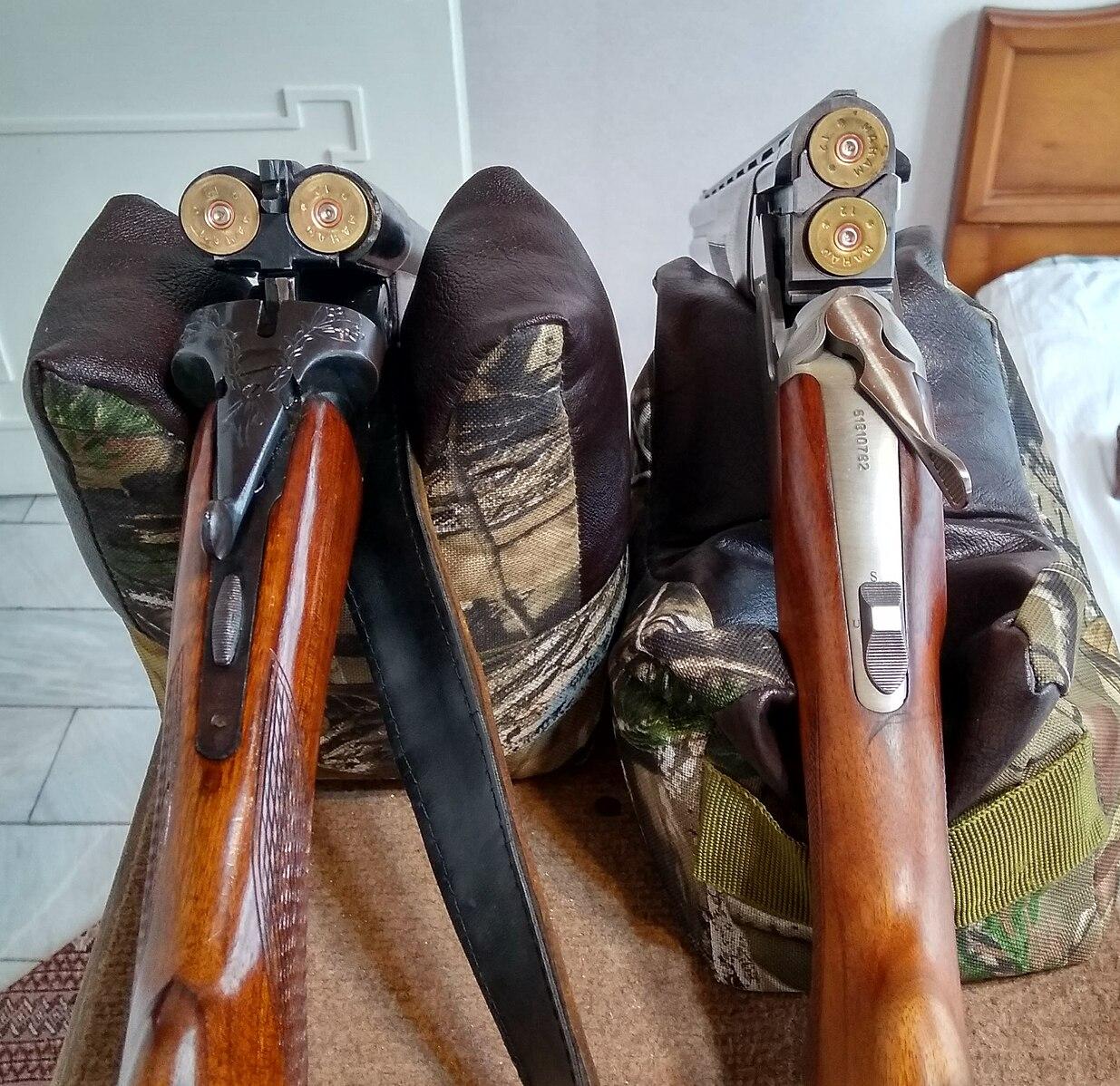
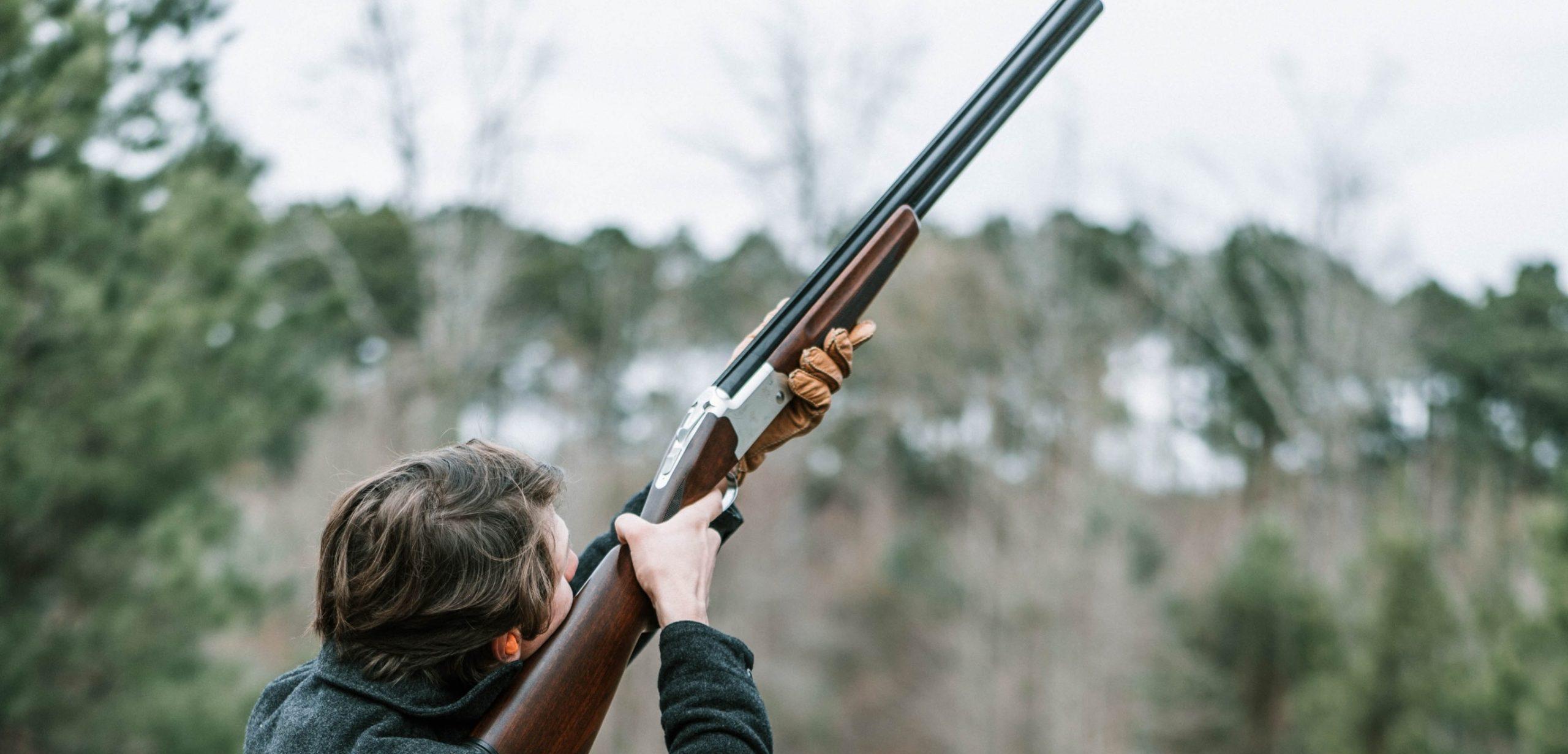
The beauty lies in the details. Unlike a pump or semi-auto with their complex feeding mechanisms, an O/U has exactly two moving parts that matter: the trigger mechanism and the hinge. Fewer moving parts mean fewer things to break, jam, or malfunction when you’re knee-deep in a swamp or the temperature drops below freezing.
The barrels are typically joined by a monoblock — a solid piece of steel that houses both chambers and connects to the action. This creates a rigid, weather-sealed platform that’s virtually immune to the feeding issues that plague magazine-fed shotguns when you’re shooting different shell lengths or cheap ammunition.
What Actually Changes When You Spend More
This is the buying guide most O/U articles skip, because the honest answer makes it harder to sell the premium tier. Here’s what you’re genuinely getting at each price step — and what you’re not.
Wood and Metal Finish
This is where nearly all the price difference lives below the $2,000 mark. The Silver Pigeon’s oil-finished walnut is legitimately beautiful. The Stoeger’s AA Turkish walnut is presentable. Both shoot the same. If you’re hunting doves in August, pushing through brush, or handing the gun through a fence, you will not care about the difference. If you’re at a local club where someone will notice, you might.
I am no wood snob, but I’ve winced exactly once reaching the Silver Pigeon through a barbed wire fence. I’ve never winced doing it with the Stoeger.
Trigger Quality
This is where spending more actually earns something. Budget triggers on turkish guns in the $500–$700 range break cleanly but with more travel than premium alternatives. The Beretta Silver Pigeon’s trigger is noticeably crisper, and the Browning Citori’s is better still. For clay shooting — where you’re pulling a trigger hundreds of times a session on a skeet field — that difference compounds. For a dove hunt where you fire 40 shells in an afternoon, it doesn’t.
Adjustable Comb and Fit Features
This is the legitimate argument for spending more on a dedicated clay gun. An adjustable comb lets you raise or lower the cheek piece until the rib sits correctly in your eye. Small fit errors that don’t matter on a hunt become real scoring problems on the skeet field over time. If clay shooting is your primary purpose and you’re shooting 100+ rounds a session, the fit features on a Silver Pigeon or Citori are worth every dollar. If you’re hunting upland birds twice a month, a properly fitted wood stock at the right dimensions does the same work.
Reliability and Longevity
Here’s where the premium guns earn their keep in a way that doesn’t show up in first impressions. We’ve watched Beretta Silver Pigeon guns go through tens of thousands of rounds without needing a gunsmith, and the Browning Citori has been doing the same thing since 1973. Budget guns are reliable out of the box — the Stoeger and the CZ Drake haven’t given us problems — but the lockup tightness question at 50,000 rounds is a different conversation. The hinge pin is the life of an O/U. Premium guns have better answers to that question.
Automatic Safety
Worth knowing before you buy at any price: most field guns include an automatic safety that re-engages every time you open the action. For hunting this is sensible. For clay shooting, where target guns typically do not feature an automatic safety, it’s an interruption to your rhythm. Check before you buy.
Shotgun Type Comparison
How do O/Us compare to other types of shotguns? Take a look:
| Feature | Over/Under | Side-by-Side | Pump-Action | Semi-Auto |
|---|---|---|---|---|
Reliability | Excellent | Excellent | Very Good | Good |
Capacity | 2 shots | 2 shots | 3-8 shots | 3-4 shots |
Reload Speed | Slow | Slow | Fast | Very Fast |
Weather Resistance | Excellent | Excellent | Good | Fair |
Maintenance | Low | Low | Medium | High |
Cost (Quality Gun) | High | High | Low | Medium |
Balance | Excellent | Very Good | Front-Heavy | Front-Heavy |
Versatility | High | High | Very High | Very High |
Essential O/U Terminology
Understanding these terms will help you navigate specifications and reviews:
Monoblock: The steel block that joins the barrels and houses the chambers. Quality of monoblock construction largely determines barrel regulation (how close to each other the barrels shoot).
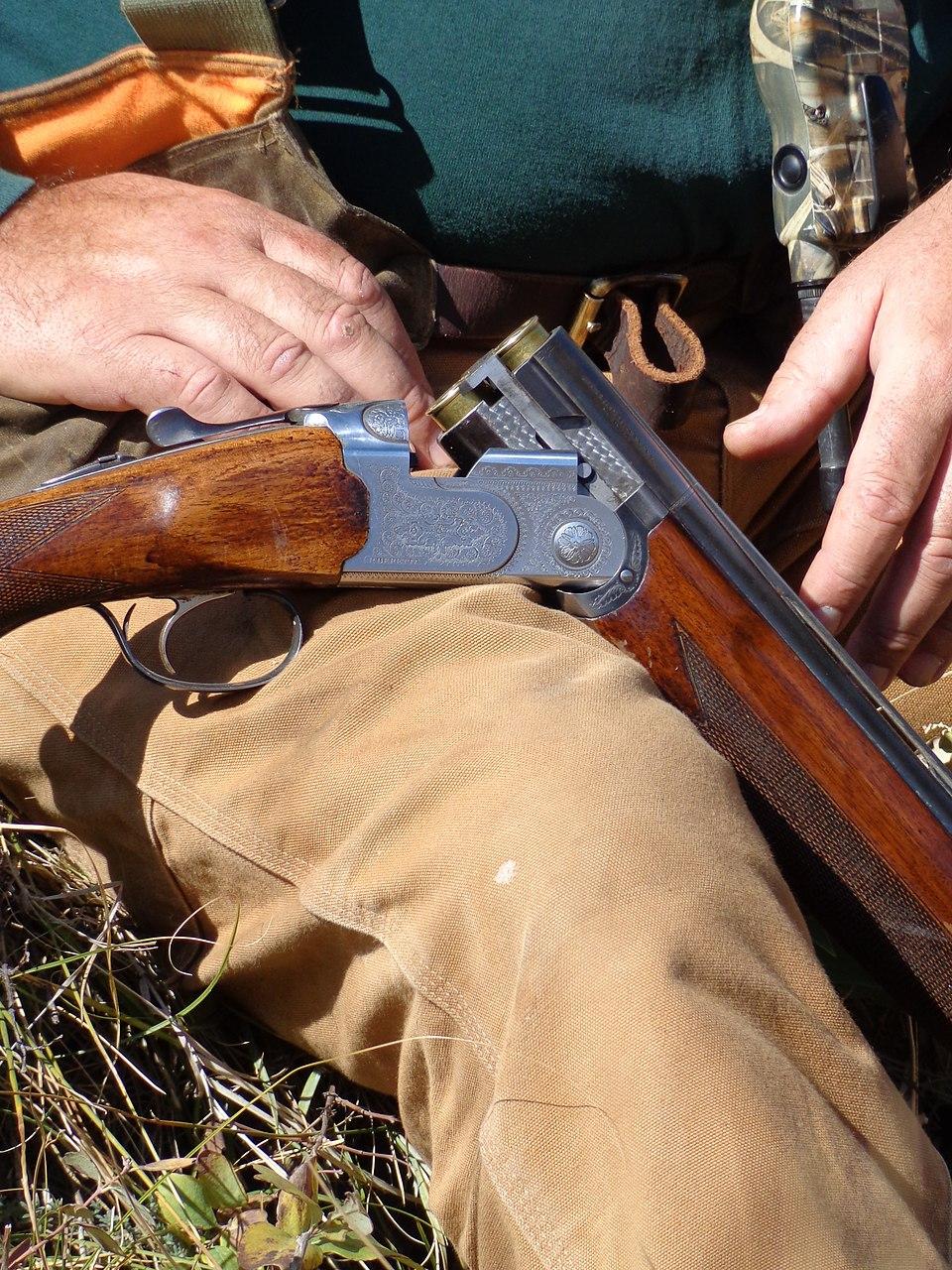
Ejectors vs. Extractors: Ejectors kick spent shells clear of the gun when you open the action. Extractors merely lift them partway out — you pull them free by hand. Ejectors are faster but add cost and complexity.
Selective Trigger: Allows you to choose which barrel fires first via a button or switch, usually located in the safety. Non-selective triggers fire bottom barrel first, always.
Barrel Regulation: How precisely the two barrels shoot to the same point of impact. Poor regulation means your second shot hits significantly different from your first.
Break-Action: The hinged mechanism that allows the barrels to pivot downward for loading. The quality of this joint determines how long the gun will maintain tight lockup.
Clay Shooting vs. Hunting: When Price Tier Actually Matters
For hunting — upland birds, doves, the occasional pheasant drive — the practical performance difference between a Stoeger Condor Supreme and a Beretta Silver Pigeon is smaller than the price gap suggests. Both break targets. Both put birds down. The Silver Pigeon does it with better furniture and a crisper trigger, and in forty years it’ll still be tight. The Stoeger does it right now, this season, without you wincing every time it contacts a fence post.
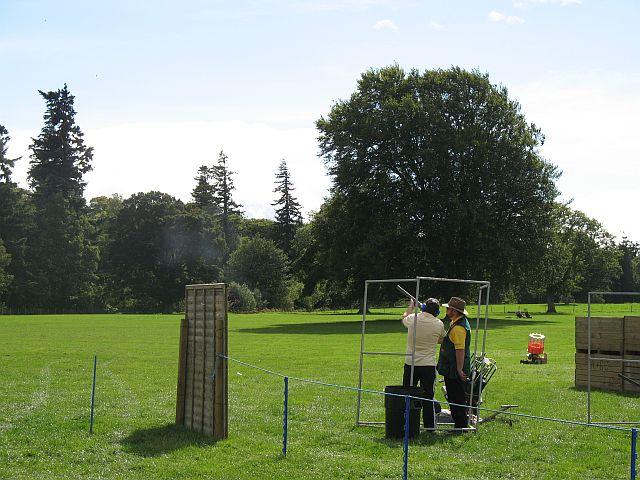
For serious clay shooting — regular sessions on a skeet field, registered sporting clays competitions, anything where you’re burning through multiple boxes of shells in a session — the calculus changes. Heavier guns manage recoil better over long sessions. Adjustable stocks let you dial in fit as your technique develops. Competition triggers make a difference when you’re shooting two hundred rounds a weekend. This is where spending more genuinely returns something functional, not just aesthetic.
If you’re buying your first O/U and you’re not sure yet which way you’ll lean: buy the budget gun, shoot it into the ground, and let your actual use pattern tell you what you need next. Most serious shooters end up with two guns anyway — a clay gun and a hunting gun. The budget gun usually ends up being the hunting gun. That’s not a downgrade. That’s the right tool for the job.
The Fundamental Divide
Clay sports prioritize precision and handling hundreds of rounds per session. Hunting demands portability, weather resistance, and quick handling in unpredictable conditions. These require different engineering approaches.
Clay Sports Requirements
Longer barrels (30-32″): Smoother swing and extended sight radius for consistency. That extra weight up front dampens the stopping-and-starting that kills clay scores.
Heavier weight (7.5-8.5 lbs): Absorbs recoil better when burning through multiple boxes of shells. That extra pound you curse on a pheasant hunt becomes your friend during a 100-bird sporting clays round.
Adjustable features: Combs, length of pull spacers, ported barrels, and competition triggers (2-4 lb pulls) for precision work.
Extended chokes: Precise pattern control in 0.005″ increments that don’t matter for hunting but can mean the difference between winning and losing.
Hunting Priorities
Shorter barrels (26-28″): Maneuver better in blinds and brush. The 2-4 inches you lose makes virtually no ballistic difference but significantly improves handling.
Lighter weight (6-7.5 lbs): Every ounce matters when hiking miles for upland birds. Lighter guns are faster to mount and less fatiguing.
Weather resistance: Matte finishes, simple mechanisms, and durable stocks that handle moisture and temperature swings without warping or jamming.
Practical features: 3-inch chambers for versatility, flush chokes that won’t snag, and shorter length of pull for heavy clothing.
All-Purpose Compromise
If you’re buying one gun for everything (most of us start there):
Best compromise: 28-inch barrels, 7-7.5 pounds, 12-gauge with 3-inch chambers, Modified/Improved Cylinder chokes.
What you’re giving up: Optimal clay performance (too light for high-volume shooting) and optimal hunting performance (heavier than ideal for long carries).
What you’re gaining: One gun that does everything acceptably well without requiring a second mortgage.
Keeping It Simple:
Choose clay features if: You’ll shoot more targets than birds, plan 100+ round sessions, and prioritize precision over portability.
Choose hunting features if: You’ll walk more than you shoot, need weather resistance, and typically shoot fewer than 50 rounds per outing.
Choose the compromise if: You’re buying your first O/U, budget allows only one gun, or you can’t predict which you’ll do more.
Once the addiction takes hold (and it will), most serious shooters end up with both a clay gun and hunting gun. But for now, the compromise works fine.
Buying Guide
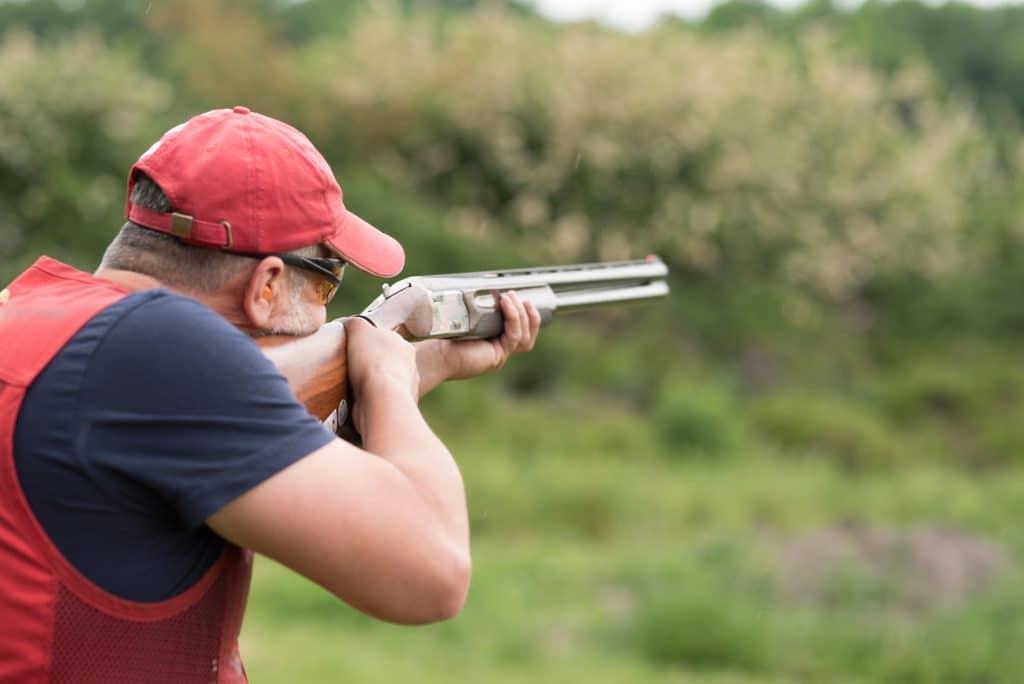
The heart and soul of the over-under is the hinge pin. Once it’s worn out, the gun is toast without heavy investment in gunsmith work, which is far from a cheap repair. Bear that in mind.
1. Understand The Over/Under Trigger Systems
The trigger is where the rubber meets the road in any over-under shotgun. Get this wrong, and even the finest barrels and prettiest wood won’t save you from frustration. Here’s what you need to know about the different trigger systems and why they matter more than most shooters realize.
Single Selective Trigger (SST)
This is the gold standard that most shooters want — one trigger that can fire either barrel first, depending on your selection.
How it works: A button, switch, or lever (usually integrated with the safety) lets you choose which barrel fires on the first trigger pull. Pull once for your selected barrel, pull again for the second barrel. Most systems default to bottom barrel first.
Advantages:
- Complete control over firing sequence
- Familiar feel for shooters used to single-trigger guns
- Tactical flexibility for different situations
- Professional appearance and operation
Disadvantages:
- More complex mechanism = more potential failure points
- Typically adds $200-500 to gun cost
- Selector can be accidentally moved in the field
- Some systems have heavy, inconsistent trigger pulls
Best for: Serious hunters and competitive shooters who want maximum versatility and don’t mind paying for it.
Single Non-Selective Trigger (NST)
A single trigger that fires the barrels in a predetermined sequence — almost always bottom barrel first, then top barrel.
How it works: First trigger pull fires bottom barrel, second pull fires top barrel. No buttons, switches, or selectors to mess with. Simple, reliable, predictable.
Advantages:
- Bulletproof reliability — fewer parts to break
- Usually has better trigger pull quality than SST systems
- Significantly less expensive than selective triggers
- No accidentally switching barrel sequence in the field
- Muscle memory develops quickly
Disadvantages:
- No choice in firing sequence
- If you need top barrel first, you’re out of luck
- Less prestigious than selective systems
- May limit resale value slightly
Best for: Practical hunters and budget-conscious shooters who value reliability over flexibility. Also ideal for beginners who don’t need the complexity of barrel selection.
Double Triggers
Two separate triggers — front trigger fires one barrel (usually right/bottom), rear trigger fires the other (usually left/top).
How it works: Each trigger operates independently. You consciously choose which trigger to pull for which barrel. Traditional English-style system.
Advantages:
- Ultimate reliability — completely independent systems
- Instant barrel selection with no fumbling for switches
- Each trigger can be tuned independently
- Traditional, classic appearance
- Usually the lightest, crispest trigger pulls
- Less expensive than SST systems
Disadvantages:
- Learning curve for shooters used to single triggers
- Front trigger can bite your finger under recoil
- Easier to accidentally hit wrong trigger under stress
- Some shooting sports don’t allow double triggers
- Can be awkward with gloves
Best for: Traditional shooters, side-by-side converts, and anyone who prioritizes trigger quality and reliability over convenience.
| Trigger Type | Reliability | Trigger Pull Quality | Cost Impact | Learning Curve | Versatility |
|---|---|---|---|---|---|
Single Selective | Good | Fair-Good | High (+$200-500) | Low | Excellent |
Single Non-Selective | Excellent | Good-Very Good | Low | Very Low | Good |
Double Triggers | Excellent | Very Good-Excellent | Medium | Medium-High | Good |
2. Gauge Selection: Cut Through the Noise
Here’s the reality about gauge selection: most shooters overthink it, and marketing departments love to exploit that confusion. Let’s cut to the chase.
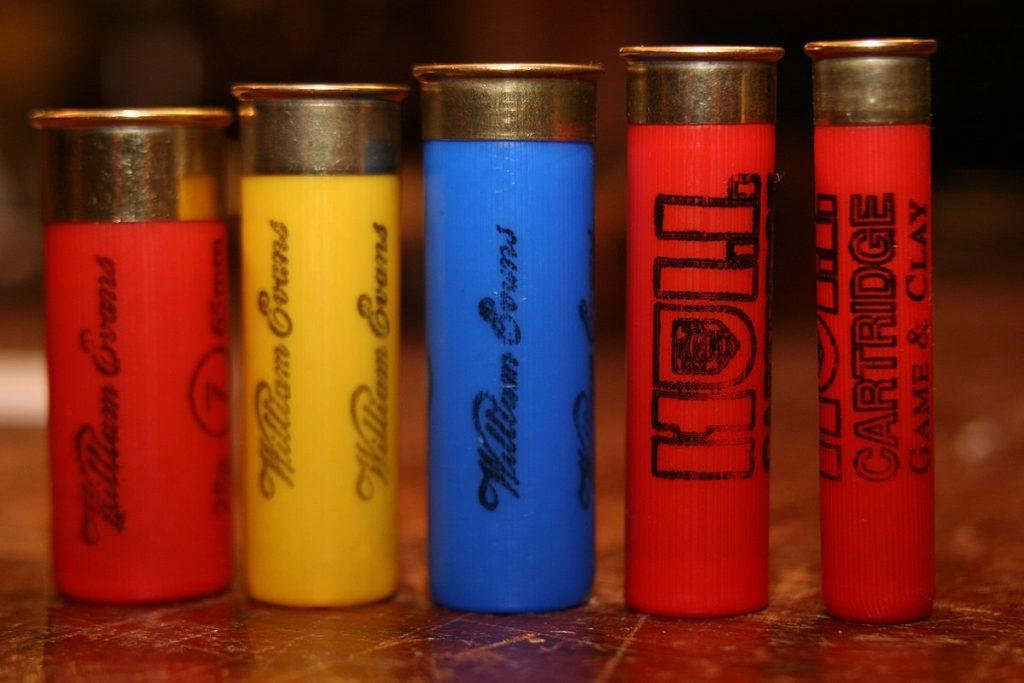
The Practical Truth
12-gauge is the workhorse. It hits harder, shoots farther, and has ammunition available in every gas station from Alaska to Alabama. Yes, it’s heavier. Yes, it kicks more. But it’s also the most versatile choice for everything from doves to geese to sporting clays.
20-gauge is the sweet spot for upland hunting and smaller-framed shooters. Modern loads are surprisingly effective, the guns are noticeably lighter, and recoil is genuinely more manageable. But don’t kid yourself — a 20-gauge 3-inch magnum kicks nearly as hard as a 12-gauge 2¾-inch field load.
28-gauge is the connoisseur’s choice. Light, fast-handling, and deadly effective within its range. Problem? Ammunition costs twice as much and isn’t available everywhere. It’s a specialist’s tool, not a beginner’s gun.
.410 bore is perfect for introducing kids to shooting or hunting small game in thick cover. For anything else, it’s a solution looking for a problem.
Rules to Shoot By:
- Hunt everything from doves to ducks: 12-gauge, no question
- Primarily upland birds: 20-gauge makes sense
- Youth or recoil-sensitive shooters: Start with 20-gauge
- Competitive sporting clays: 12-gauge for power, 20-gauge for comfort
- Want to look sophisticated: 28-gauge (if you can afford to feed it)
3. Ejectors & choke selection
Opt for ejectors, not extractors, whenever possible. Only the most ardent monocle-wearing traditionalist wouldn’t want a gun that kicked the shells out instead of hand removal.
Look for a gun that accepts choke tubes instead of factory choked barrels. This gives you the ability to change choke tubes to suit your purposes, a key advantage of the dual barrel configuration.
However, if factory-choked barrels are your only option, you want your long-range barrel on the bottom. It should be choked to Modified if not Improved Modified or Full.
3. Fit and finish
Fit and finish can be a budget eater — and where you land depends on your preference, budget, and, ultimately, what you want in the final piece.
A hard working gun will get you a long way in terms of performance but may not look at home above the mantle or offer features found on other shotguns, such as a pistol grip, and ported or chrome-lined barrels.
Conversely, a gun you own to appreciate and occasionally shoot is a different beast altogether.
A lower quality fit or homely looks don’t mean it won’t shoot (just as the Maverick 88), and you’ll also be less displeased if it takes some dings in the field. Then again, there are also people who hunt like crazy with a Purdey and don’t care if it takes a beating because fine doubles are certainly engineered to help skeet shooters, clay shooting enthusiasts, and hunters succeed in the field, even with unnecessary scrollwork on the barrel selector, choke tubes, and tang mounted safety and blued barrels.
In other words, consider first if fit and finish are a priority because there are plenty of O/Us that aren’t pretty but will put grouse on the ground, akin to double-barreled shotguns and scatterguns with various barrel lengths.
Also worth noting: if you’re willing to do some research and a little legwork, you can get yourself into a heck of a vintage O/U for a reasonable price tag.
The U.S. is chock-full of old double-guns, with many handed down through time immemorial. While suitability, quality, and condition can vary greatly, don’t be afraid of the used market. The beauty of doubles is they can always be restored.
With true vintage products, just make sure to have a gunsmith look it over prior to touching one-off.
Over/Under Shotgun Comparison
Below is my list of the best over/under shotguns. I list the best choices in terms of value, performance, design, and cost.
Click on the name to head to the product page, read reviews and check prices or skip ahead to the list of shotguns.
| Gun | Best For | Price Tier | Gauges | Ejectors | Trigger |
|---|---|---|---|---|---|
Budget/First O/U | $ | 12 20 | Extractor | SST | |
Best Extractor O/U | $$ | 12 20 28 .410 | Extractor | Selective | |
Best Work Gun | $$ | 12 20 | Ejector | Non-selective | |
Best Field O/U | $$ | 12 16 20 28 .410 | Ejector | Selective | |
Best Value Step-Up | $$$ | 12 | Ejector | SST | |
Upgrade Pick | $$$ | 12 20 | Ejector | Selective | |
When It Matters | $$$$ | 12 20 28 .410 | Ejector | Selective | |
Go-To for Clays | $$$$ | 12 20 | Ejector | SST | |
The Best There Is | If You Have To Ask... | 12 | Ejector | Double |
How we picked
Known Brands
Weight
Choke Support
Expert Interviews
More on our selection process
The Guns
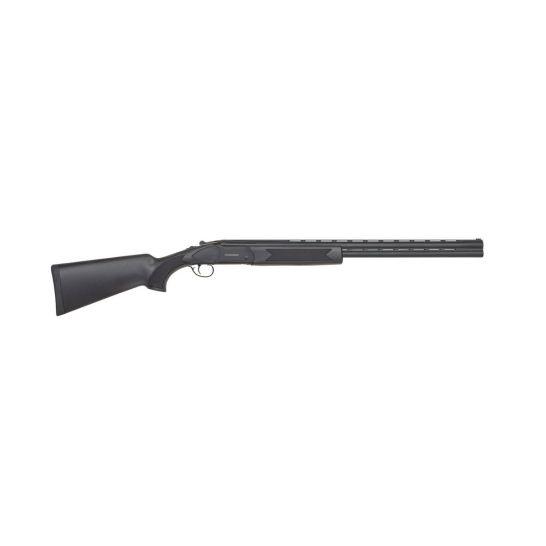
1. Best Budget Pick: Mossberg Silver Reserve
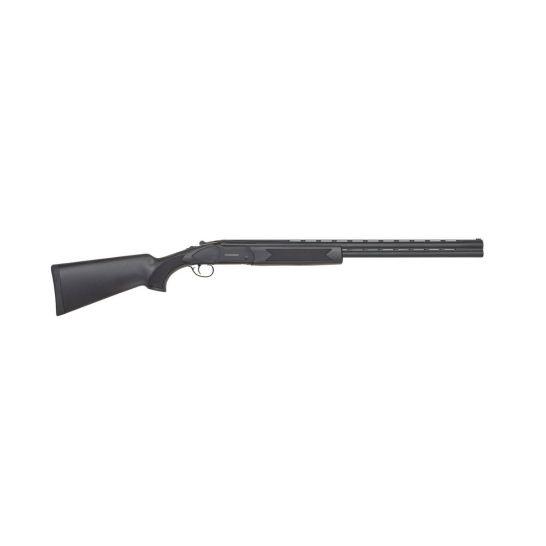
The Mossberg Silver Reserve is the right starting point for a first-time O/U buyer, and not just because of the price. It’s the gun you’ll actually shoot without worrying about it — which matters more than any spec on paper when you’re learning the platform. Available in 12- and 20-gauge with 3-inch chambers, the Silver Reserve ships with five choke tubes and a single selective trigger in an alloy receiver. Turkish walnut furniture, functional and presentable.
At a local club or a dove field, the Mossberg Silver Reserve performs above its tag. The trigger breaks cleanly enough, the gun handles a box of shells without complaint, and it gives a new shooter a real O/U experience before committing more money. Best value at this tier is genuinely not a close call.
When it comes to rocks to throw: fit and finish vary batch to batch, and base configurations use extractors rather than ejectors, which means fishing shells out by hand. Step up to an ejector model where available.
Best for: First-time O/U buyers and anyone who wants to learn the platform without a tuition penalty.
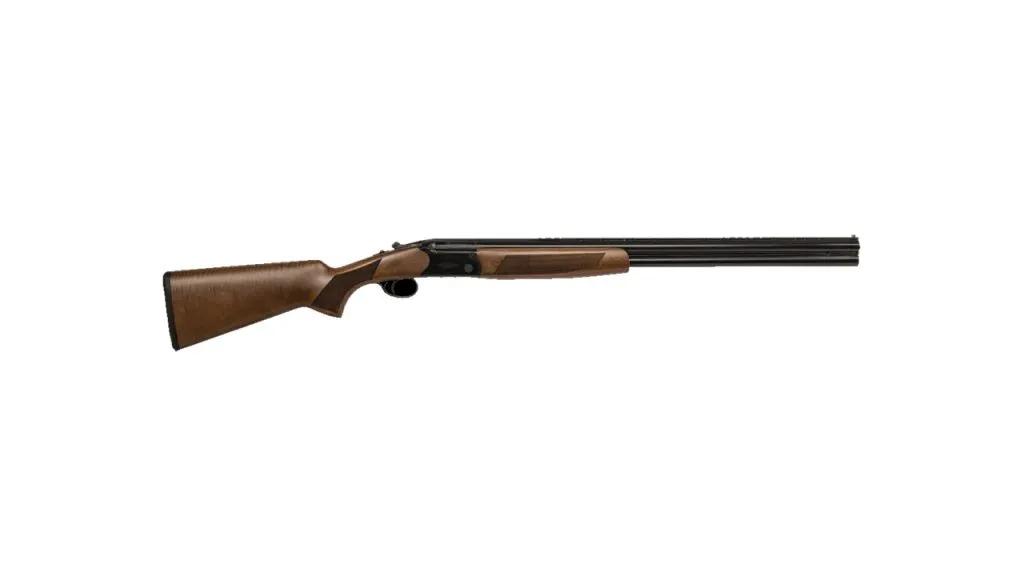
2. Best Extractor O/U: CZ Drake
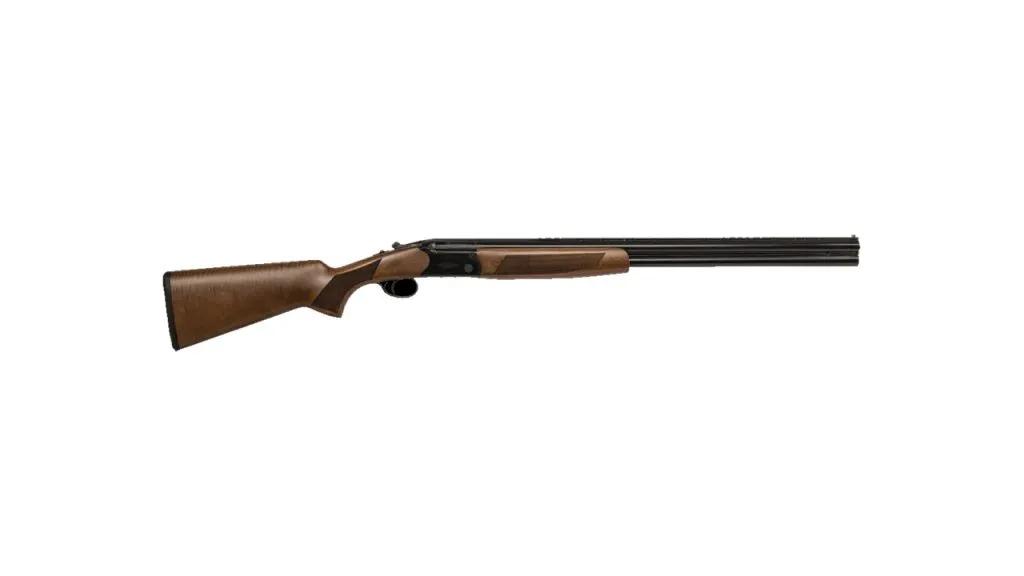
$721.99

28
AVERAGE
Performance Scores
CZ’s shotguns are sleepers. The Drake comes with Turkish walnut furniture and 28-inch barrels in 12-, 20-, 28-, and .410-gauge with 3-inch chambers — including a left-handed Southpaw model in 12- and 20-gauge. It’s made in Turkey, and like the best turkish guns coming out of that region, the quality-to-price ratio will surprise shooters who associate “Turkish” with “cheap.”
The Drake runs a selectable trigger and ships with five flush-fit chokes in all models save the .410. Extractors keep the price down. Fit and finish are excellent for the tier. It’s a gun that will handle hard use in the field without asking for anything in return.
Best for: Upland hunters who want gauge flexibility and solid quality at an entry price.
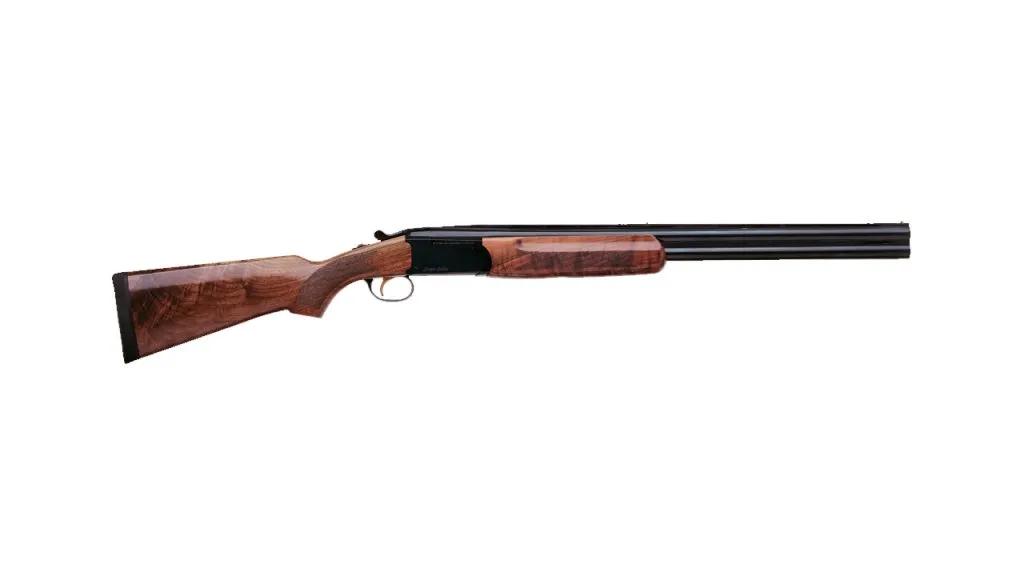
3. Best Work Gun: Stoeger Condor Supreme
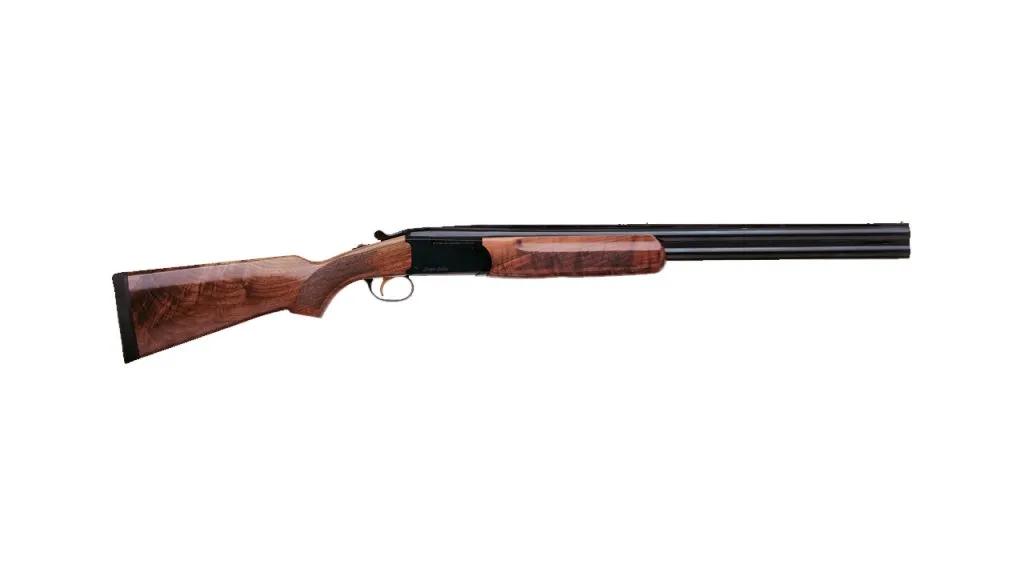
Here’s the gun I keep reaching for. The Stoeger sits in the Beretta corporate family — which tells you something about the quality floor — and the Condor Supreme is the model where the value peaks in the line. Available in 12- and 20-gauge with 3-inch chambers and 28-inch barrels, AA Turkish walnut furniture, rubber recoil pad, and a 12-gauge weight of 7.4 lbs.
Two flush-fit chokes ship standard (Improved Cylinder and Modified), and upgrades run Benelli’s Mobil choke thread pattern — so the aftermarket is wide open. The trigger is a single non-selective system, top barrel first, which most hunters find perfectly workable in the field. More importantly: spent shells get ejected, not extracted. Ejectors at this price point are rare.
I’ve put the Condor Supreme through dove seasons, a handful of sporting clays rounds, and more skeet stations than I planned to when I bought it. It has not given me a reason to doubt it. The Silver Pigeon is in the safe. This one’s in the truck.
When it comes to rocks to throw: the non-selective trigger means the gun decides which barrel fires first, which occasionally matters and usually doesn’t. And no, the wood won’t impress anyone at the gun club. But for a gun you’ll actually shoot, that’s a reasonable trade.
Best for: Hunters and casual clay shooters who want a reliable work gun they won’t baby.
Stevens is an old brand resurrected under the Savage Arms umbrella, and the 555 E is worth your attention. Available in 12, 16, 20, 28, and .410 with 3-inch chambers, the aluminum alloy receiver cuts the 12-gauge weight below 7 lbs — genuinely easy to carry all day in upland birds country. Turkish walnut stock, rubber recoil pad, five extended choke tubes in the box.
Single selective trigger and auto ejectors at this price is a combination you’d expect to pay more for. It’s not a pretty gun. It shoots well, carries light, and handles field conditions without fuss.
Sadly, Savage puts a giant vinyl sticker on the walnut forearm that takes real effort to remove. Savage, if you’re reading this: stop.
Best for: Upland hunters who want ejectors, light carry weight, and gauge options on a strict budget.
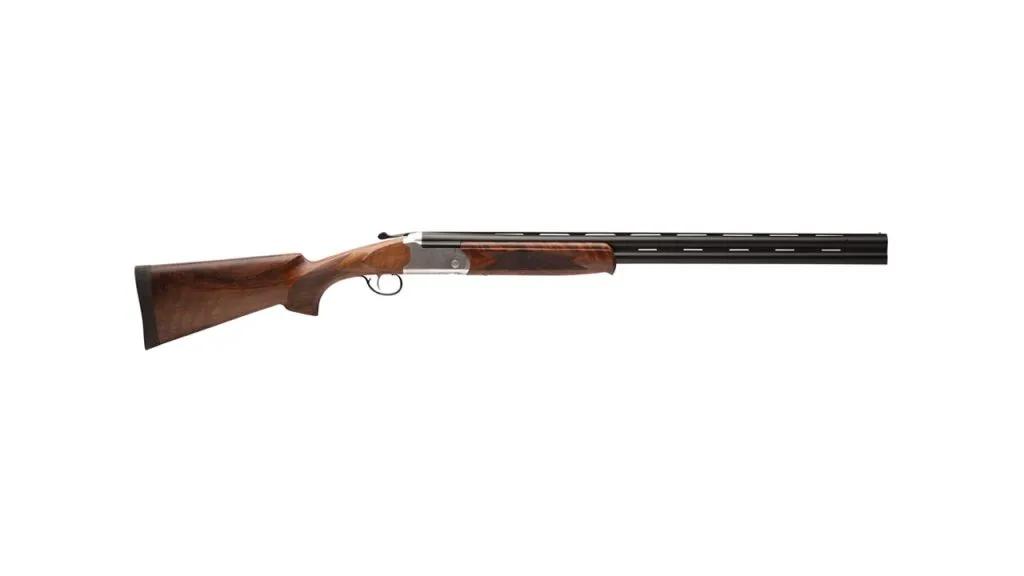
$711.99
29
AVERAGE
2026 Awards & Rankings
Performance Scores
Stevens is an old brand resurrected under the Savage Arms umbrella, and the 555 E is worth your attention. Available in 12, 16, 20, 28, and .410 with 3-inch chambers, the aluminum alloy receiver cuts the 12-gauge weight below 7 lbs — genuinely easy to carry all day in upland birds country. Turkish walnut stock, rubber recoil pad, five extended choke tubes in the box.
Single selective trigger and auto ejectors at this price is a combination you’d expect to pay more for. It’s not a pretty gun. It shoots well, carries light, and handles field conditions without fuss.
Sadly, Savage puts a giant vinyl sticker on the walnut forearm that takes real effort to remove. Savage, if you’re reading this: stop.
Best for: Upland hunters who want ejectors, light carry weight, and gauge options on a strict budget.
5. Best Value Step-Up: Weatherby Orion
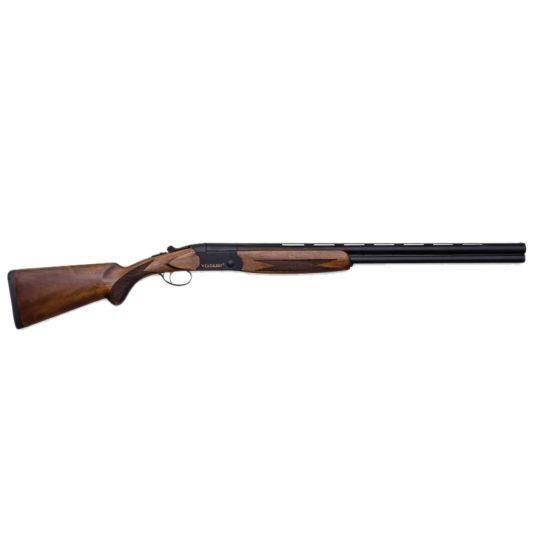
The Weatherby Orion is where the conversation changes. At around $1,000, the Orion delivers properly regulated barrels, cleaner wood-to-metal fit, and noticeably better trigger quality than the budget tier — things that don’t show up immediately but that you notice after a full session on the skeet field. Available in 12-gauge field configurations, ejectors standard, interchangeable chokes.
We’ve run a Weatherby Orion through multiple dove seasons and a fair number of clay shooting rounds. It handles both tasks without protest. As a best value proposition for a shooter stepping up from a budget gun — but not ready to commit to Beretta Silver Pigeon or Browning Citori money — the Weatherby Orion is exactly right. It’s a good investment for the right buyer.
When it comes to rocks to throw: wood quality is functional rather than beautiful, and the Weatherby Orion doesn’t offer the fit adjustability or trigger refinement of premium clay-focused guns. For the price, though, neither of those things should surprise you.
Best for: Intermediate shooters who want to step up without paying for features they won’t use.
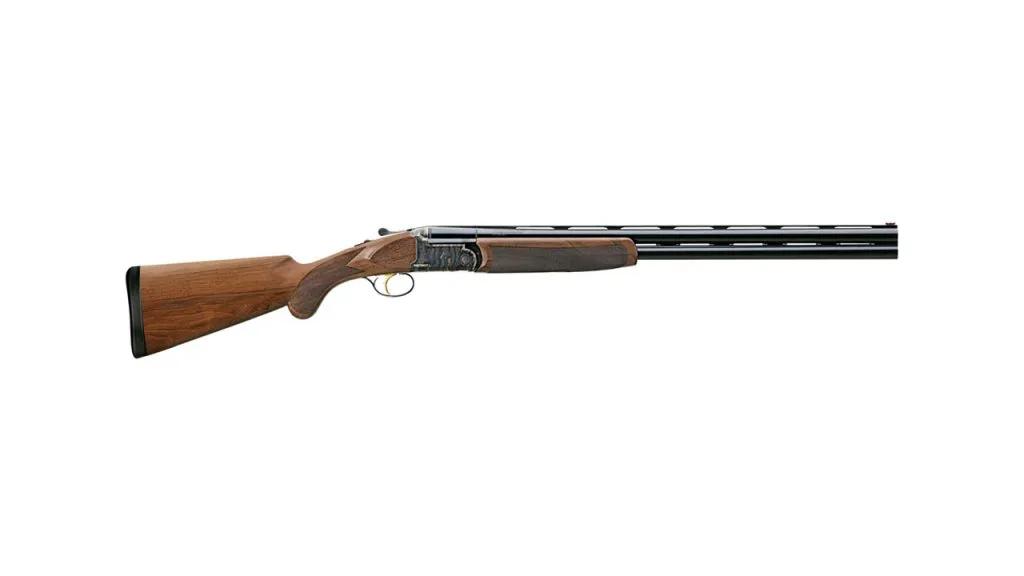
6. Upgrade Pick: Franchi Instinct L
$1499.99
26
AVERAGE
2026 Awards & Rankings
Performance Scores
The Franchi Instinct L is a gorgeous Italian over-under at a price that’s attainable if you save for it. Available in 12- and 20-gauge with 3-inch chambers and 28-inch barrels, it wears a red fiber optic sight on a case-hardened steel receiver with blued barrels. The stock is A-grade figured walnut with a Prince of Wales grip and rubber recoil pad.
Five choke tubes ship with the gun. The 12-gauge runs a svelte 7 lbs. A tang-mounted selector handles barrel selection, auto ejectors handle the shells, and a fitted hard case handles transport — which the guns above it don’t offer. The Instinct L is the first gun on this list that you might actually feel conflicted about taking into rough conditions. That’s either a feature or a bug, depending on how you look at it.
Best for: Shooters ready to invest in Italian craftsmanship before committing to the full Silver Pigeon price.
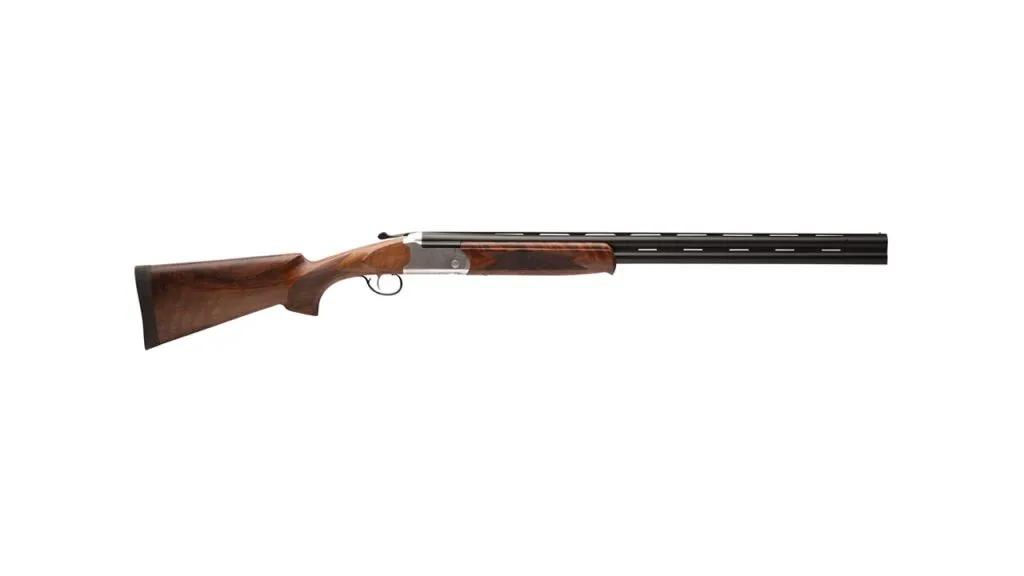
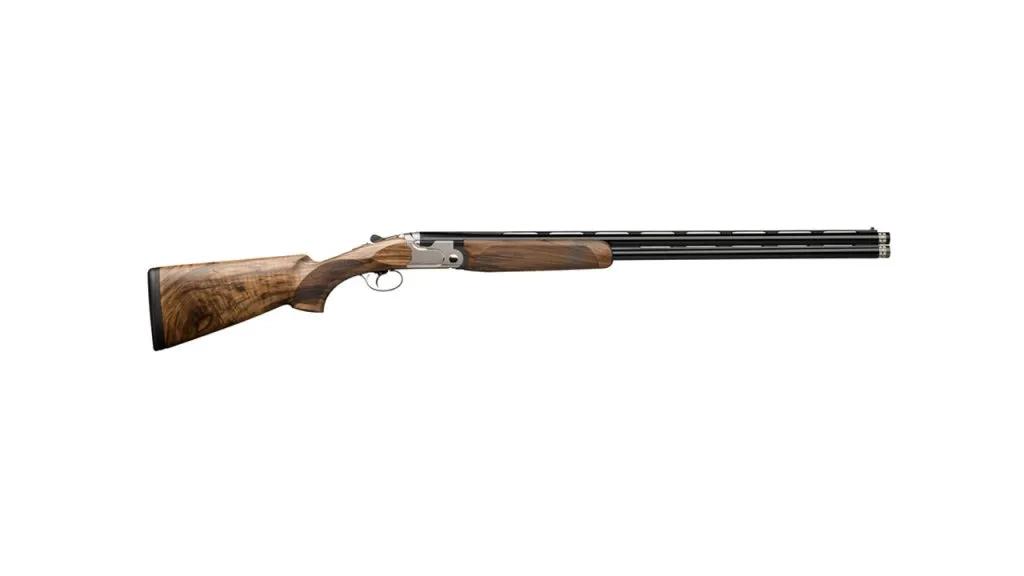
7. When It Matters: Beretta 686 Silver Pigeon I
$2313.99
30
AVERAGE
2026 Awards & Rankings
Performance Scores
The Beretta Silver Pigeon I is one of the standards by which over-under shotguns are judged, alongside the Browning Citori, and it’s earned that position. I want to be honest about something, though: it earned it on the clay shooting course, not the dove field. On a skeet field or a sporting clays layout where you’re shooting hundreds of rounds, the Silver Pigeon’s crisper trigger, better-fitting stock, and refined balance return something real. The gun is measurably better to shoot at volume than anything in the budget tier.
On a dove field, the difference mostly lives in how you feel about it — and in the Silver Pigeon’s case, you feel good. The stainless receiver’s scrollwork is gorgeous. The oil-finished walnut is a legitimate pleasure to hold. Beretta has been building Silver Pigeon guns long enough that the design is fully debugged; we’ve watched them go through tens of thousands of rounds without a gunsmith visit, which tells you something about the engineering behind the name.
Available in 12- and 20-gauge on the full-size frame, 28-gauge and .410 on a compact receiver, all with 3-inch chambers. Barrel options run 26, 28, and 30 inches. Extended screw-in choke tubes for quick changes.
Step up to the Beretta DT11 if you’re competing seriously — it runs a carbon fiber rib that adjusts barrel length without adding weight, and it’s the gun you’ll see on international clay shooting courses. The Silver Pigeon I is entry-level Beretta, which still means heirloom quality.
When it comes to rocks to throw: the Silver Pigeon is bit pricey for the wood grade you get at the base tier. And if your primary use is field hunting, you will spend meaningful mental energy worrying about it in conditions where you’d have reached for the Stoeger without a second thought. Buy it for what it’s genuinely better at — volume clay shooting, refinement, longevity — and it’s completely worth the money. Buy it because it looks impressive in the cabinet, and the Stoeger will keep ending up in the truck.
Best for: Serious clay shooters who shoot enough volume to feel the difference in trigger quality and fit.
8. The Go-To for Clays: Browning Citori 725

If the Beretta Silver Pigeon is one pillar of the production O/U establishment, the Browning Citori is the other. Browning introduced the Citori in 1973, manufactured in Japan by Miroku, and it has been the benchmark for American clay shooters ever since. Fifty-plus years of market dominance doesn’t happen without the gun backing it up.
The Browning Citori 725 is the current flagship, with a lower-profile receiver and lightened barrels that shave roughly three-quarters of a pound compared to the previous 525. The result is a gun that’s noticeably livelier — faster to mount, easier to swing on a crossing target — without losing the damping mass that makes long sessions on the skeet field comfortable. Browning offers the Citori 725 in more configurations than most shooters will ever exhaust: field, sporting, skeet, trap, and combination models across multiple grades.
Whether you run a Silver Pigeon or a Citori is preference more than performance — both are genuinely good guns that will outlast you if you maintain them. I’ve always found the Citori swings more naturally for me on clay targets; others feel the opposite. Both are worth trying before you commit. And for good reason — they’re the guns the guys who’ve been shooting your local club for twenty years are still shooting. That’s earned.
When it comes to rocks to throw: Browning Citori prices have climbed steadily, and entry-level configurations are now firmly in expensive shotguns territory. If the primary constraint is budget, the Weatherby Orion and Silver Pigeon I offer better value per dollar. If you’re buying the last clay gun you’ll ever need, the Citori justifies itself.
Best for: Serious clay shooting competitors who will shoot the gun enough to feel the refinement pay off.
9. Best Sidelock: Aguirre y Aranzabal No. 37
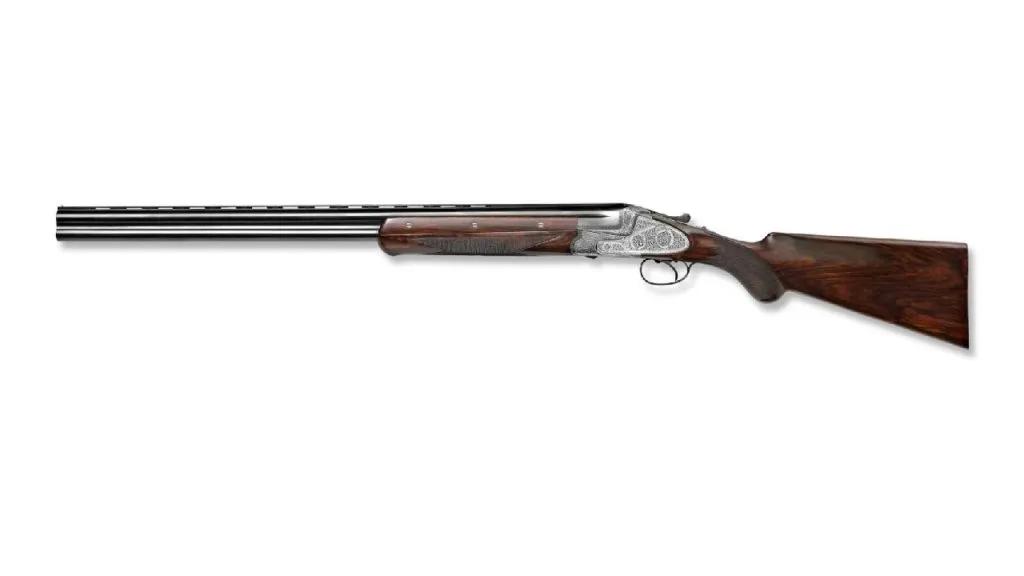
Aguirre y Aranzabal builds their guns in Eibar, Spain, in the heart of Basque country. They’ve been making the No. 37 for decades, and gunwriters Charles Askins and Jack O’Connor both chose them over English doubles. That reference alone should tell you something.
AyA guns are handmade to order — either for select brokers or measured for individual clients. The No. 37 is 12-gauge only, sidelock action, select-grade oil-finished walnut, silver or gold wash finish, with or without scrollwork. Everything else is up to you. They can cost tens of thousands, the wait is real, and no two are alike because no two are made the same way.
If we’re talking about the best over under shotgun money can actually acquire, there are none better at any price. Yes, Holland & Holland and Purdey exist. If there’s a meaningful difference in craftsmanship between those houses and AyA at a fraction of the price, nobody has found it yet.
Best for: Shooters who have decided the O/U is where they want to invest, at the highest level possible.
A Note on the Ruger Red Label
The Ruger Red Label deserves mention even though Ruger discontinued it. Made in the USA, it was a legitimate American O/U with a devoted following — reliable, well-balanced, backed by Ruger’s factory support through its production run. Used examples remain a good investment for buyers willing to do some homework.
Look for them at gun shows and estate sales in the $600–$900 range, typically in good condition because the shooters who bought them took care of them. Have a gunsmith look it over before buying any used double, and the Red Label is worth the search.
A History Of The Over-Under Shotgun
Over-under shotguns are a great choice of sporting shotgun. They’re a classic choice for upland bird hunting and shotgun events like sporting clays and trap shooting.
Over-under doubles offer a simpler action, lighter weight, and faster handling than pump-action or semi-auto shotguns, plus more intuitive aiming than side-by-sides given that both barrels are on the same focal plane.
It’s also a bonus that the fit and finish of many doubles can range from spectacular to the sublime…but the best examples of the type will often have a budget-busting price point.
We’ll cover under shotguns that you will never regret buying, why you might consider one, what to look for, and 6 excellent examples to suit almost anyone — ranging from a humble working persons’ double to finery in gunsmithing without equal.
Some are budget-friendly, some will take some saving for… and the really, really good ones are not easy to acquire.

Extending the simplicity of break-action single-barrel shottys with a pair of parallel barrels was a natural evolution of the concept, the execution of which created this proven design.
Often, “double barrel shotguns” mean the classic side-by-side orientation (SxS), but the over-under (O/U) is both more popular and offers the user the advantage of vertically stacked barrels for a single sighting plane.
Firing O/U guns can either be done with each barrel independently or with successive pulls of a single trigger. In the latter case, the first pull generally fires the lower barrel first.
It’s a little unclear who produced the first over-under shotgun, but double-barreled muskets were available in various countries in the 1800s with some early furtive attempts gaining little traction relative to the SxS configuration of old. What’s uncontroversial is who made the first one that worked and sold well.
The Browning Superposed, much like many other types of firearms, was the brainchild of John Moses Browning.
The Superposed was one of Browning’s last guns, as he was almost finished with it when he passed away in 1926. His son Val put some finishing touches on it, and the gun hit the commercial market in 1931.
The design caught on, becoming particularly popular with bird hunters and sport shooters, and today is the most common break-action shotgun design save the single-shot scattergun.
Over-unders of today range from budget-friendly all the way to bespoke, handmade firearms of exquisite quality, with a massive variety of products in between.
Why An Over-Under Shotgun?
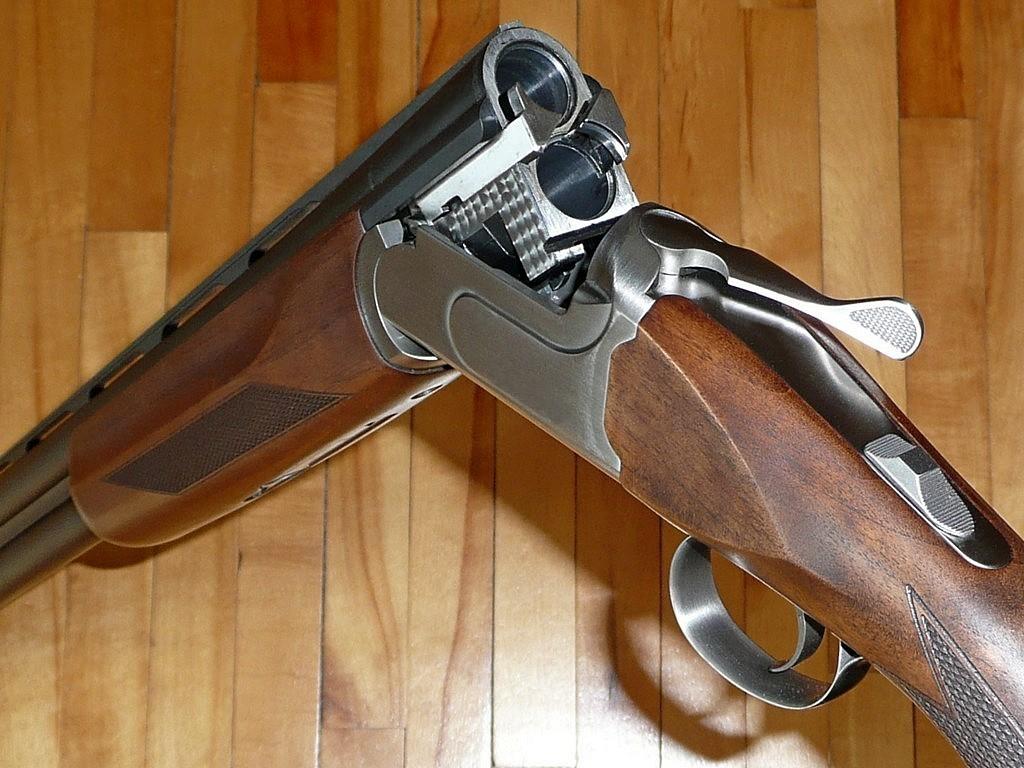
An over-under shotgun offers the advantages of a side-by-side when compared to pump-action or semi-auto (e.g. sleek lines, faster target acquisition, two barrels allow for two fast choke selections, instant disassembly) but without the drawbacks of the offset barrels. We dive into the world of shotgun chokes if you want more on that.
1. In-line Barrels Are Easier to Use
Classically, sighting a side-by-side can be tricky due to the offset barrels. Over-unders are easier to use because both barrels are in-line, though a slight holdover is typically required for the bottom barrel it’s significantly less than with an SxS. Nice touches like an adjustable comb, safety and barrel selector, and a tang-mounted safety make these even easier than their SxS brethren.
Recoil is inline rather than oblique to the stock, so over-unders can also be a little more comfortable in that regard, another classic drawback to side-by-side doubles.
Doubles also balance a little better. Whereas most pump-action shotguns tend to be slightly front-heavy due to the barrel & fore-end, the mass of the O/U receiver is behind the barrels, acting as a sort of cantilever and moving the center of gravity toward the shooter.
2. O/Us Offer More Flexibility
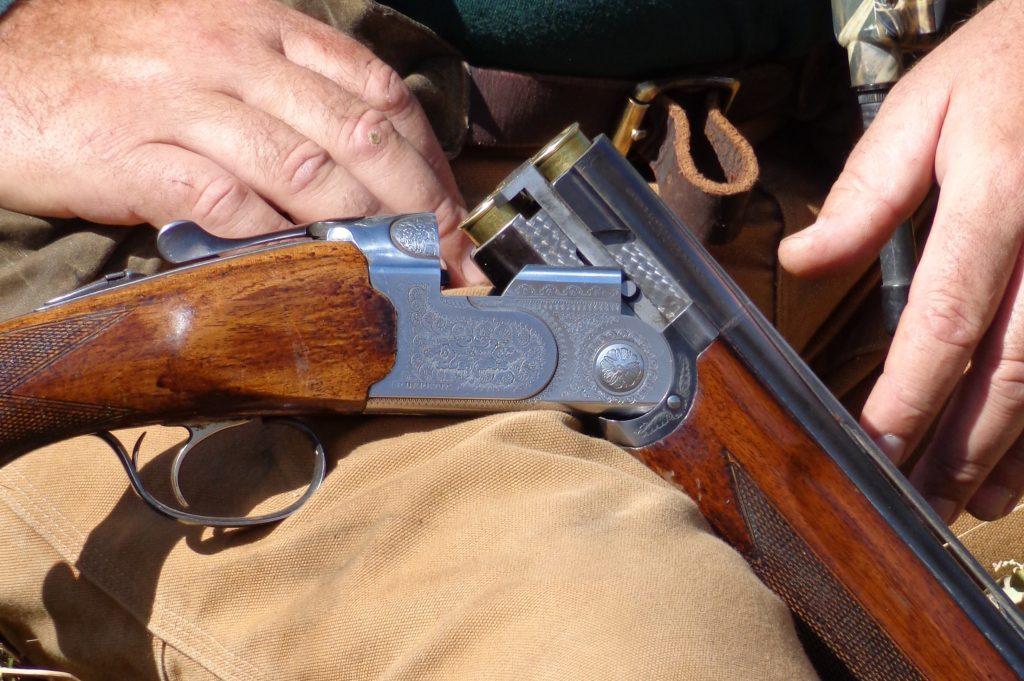
In terms of weight savings, O/Us tend to be negligible. Comparing a wood-and-steel pump-action to a double with the same barrel length and chambering is usually a wash, so it’s more a matter of how it handles than how much it weighs.
Another benefit is that over-unders are more available in a takedown model, making it easier to pack for backcountry hunts.
Some prime turkey ground is accessed only by the two-shoe express, which means obstacles can be persistent. 100-year-old fences, crumbling walls, and drainage ditches are easily and safely traversed by popping the gun open and extracting the shells — a nearly instantaneous investment in user longevity. Something to consider.
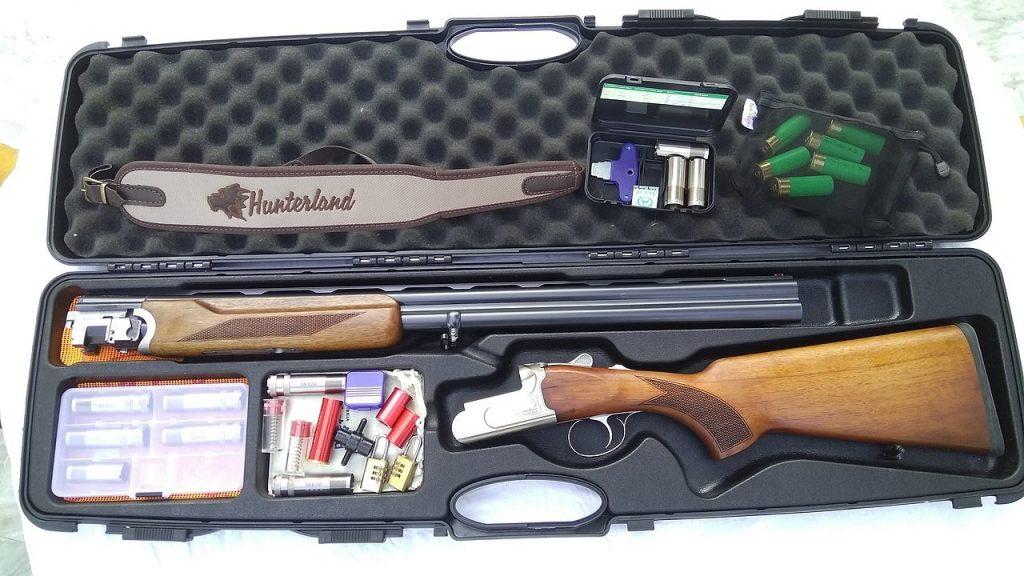
Over-unders are also the only shotgun allowed in some shooting sports, as you’re decidedly unlikely to see an AR12 on your local sporting clays course.
Not to mention they’re easy to unload & verify as clear. With the action open all it takes is quick poke with a finger in either chamber to verify the gun is cleared, even in the dark. Screw-in choke tubes also make swapping interchangeable chokes a cinch, ensuring you can dial each barrel into your preferred pattern.
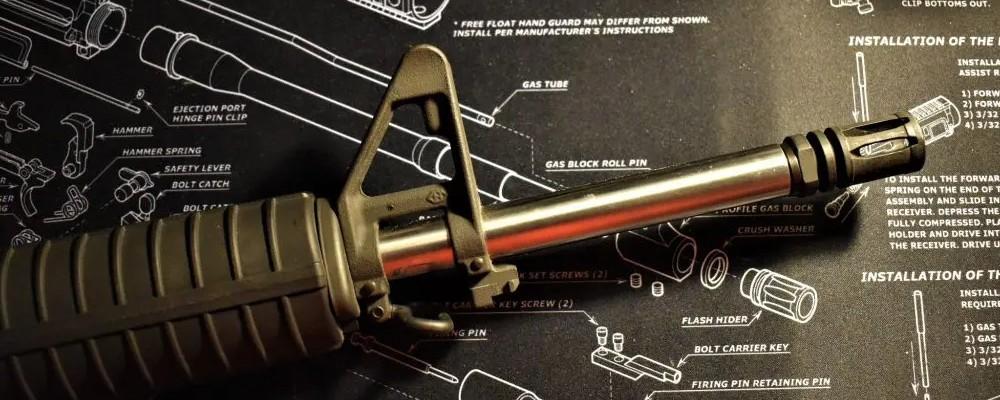
Also, and this should be said…they’re easy on the eyes. While an over-under isn’t going to win you many trench battles, some of them are truly works of art — a quality that modern black rifles, black shotguns and black pistols so often lack.
Parting Shots
The Beretta Silver Pigeon is a magnificent gun. So is the Browning Citori. If you shoot clay targets seriously and often, either one returns something real for the money — better triggers, better fit, better longevity at round counts that actually test a gun. Buy one without reservation if that’s your situation.
But if you’re hunting, or you’re just getting into O/Us, or you’re the kind of shooter who gets more use out of a gun they don’t worry about: the Stoeger Condor Supreme or the Weatherby Orion will put birds down and break targets exactly as reliably as the expensive guns, at a price that lets you buy a lot of shells with what’s left over. The best over under shotgun is the one that fits your face, suits your actual use, and gets taken out of the safe. Start there. Upgrade when the gun limits you, not when your budget allows it.
In closing, an O/U is a gun for life — whichever one ends up in your hands.
Frequently Asked Questions
Who makes the best over under shotgun?
What over under shotgun should I get?
What shotgun is called the widowmaker?
What's better, 00 or 000 buckshot?
Additional Resources
- American Rifleman, John M. Taylor, Looking Back at Shotgun History, May 23, 2016
- Wikipedia, Browning Superposed
- ATF, Importation & Verification of Firearms – Gun Control Act Definition – Shotgun
Sources:
- Lahti-35 Pistol Image
- Beretta 1951 Pistol Image
- Fatal Firefight in Miami — FBI
- 2 Million 9mm Pistols Born in2018
- M1152 & M1153: The Army’s New 9mm Luger Loads
Sources:
Meet the Experts

Written By
Michael Crites
Licensed Concealed Carry Holder
- Founder of AmericanFirearms.org
- Licensed Concealed Carry Holder
Guides
![In-Depth Review: M&P Shield 2.0 Compact [Hands-On]](/_next/image/?url=https%3A%2F%2Fcms.americanfirearms.org%2Fwp-content%2Fuploads%2F2023%2F01%2Ftmpkho7avde.jpg&w=3840&q=75)