The Best Self-Defense Gun Costs Under $400
The "buy quality or don't bother" advice about carry guns was written for the Lorcin era. That market is gone. Here's what the FBI ballistics data and defensive distance research actually say about what a sub-$400 pistol needs to do — and which ones do it.

Written By
Michael Crites
Licensed Concealed Carry Holder
Reviewed by
Editorial Team
Learn About The Editorial Team
Share:
Products are selected by our editors. We may earn a commission on purchases from a link. How we select gear.
Updated
Apr 2026
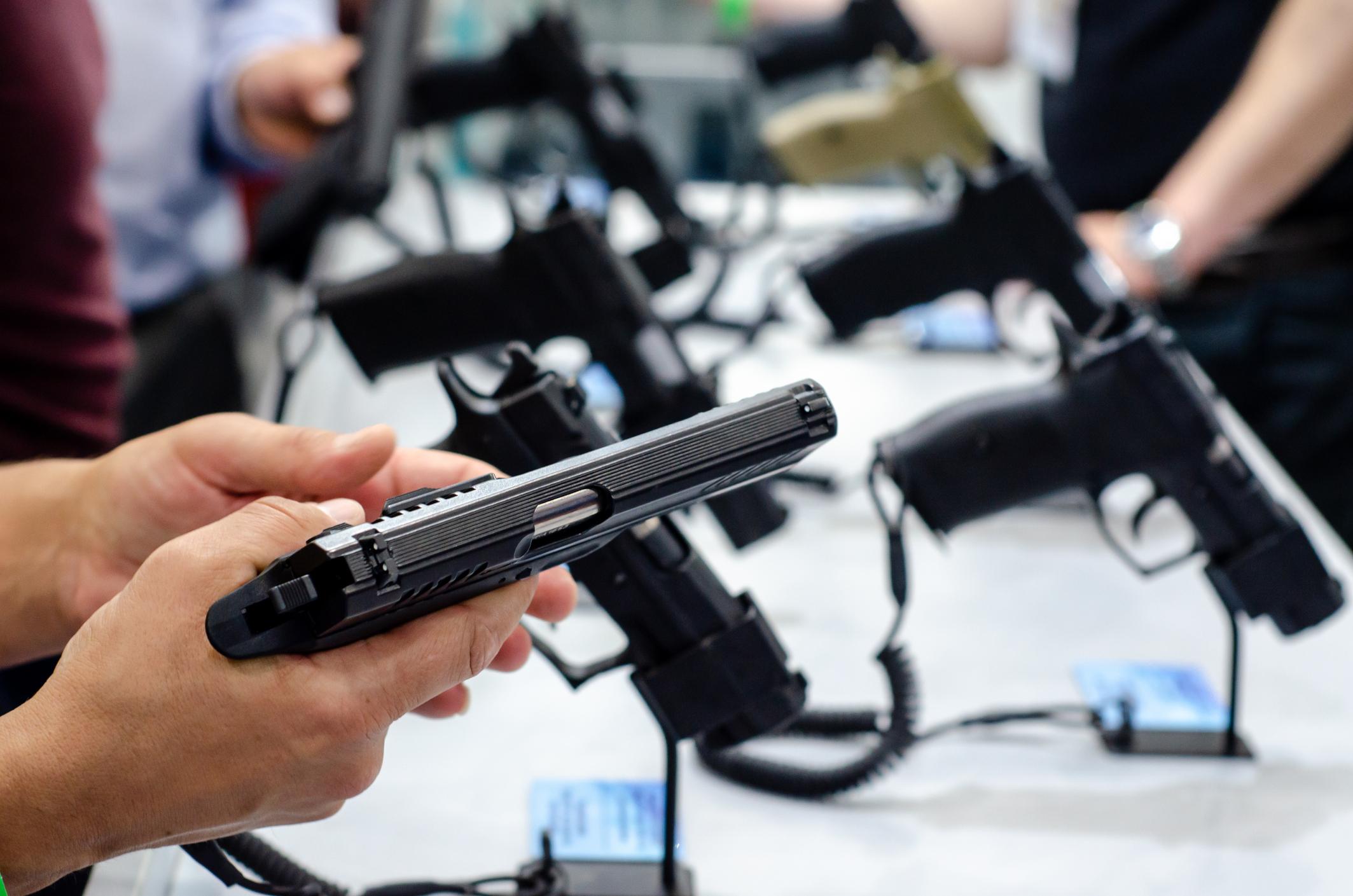
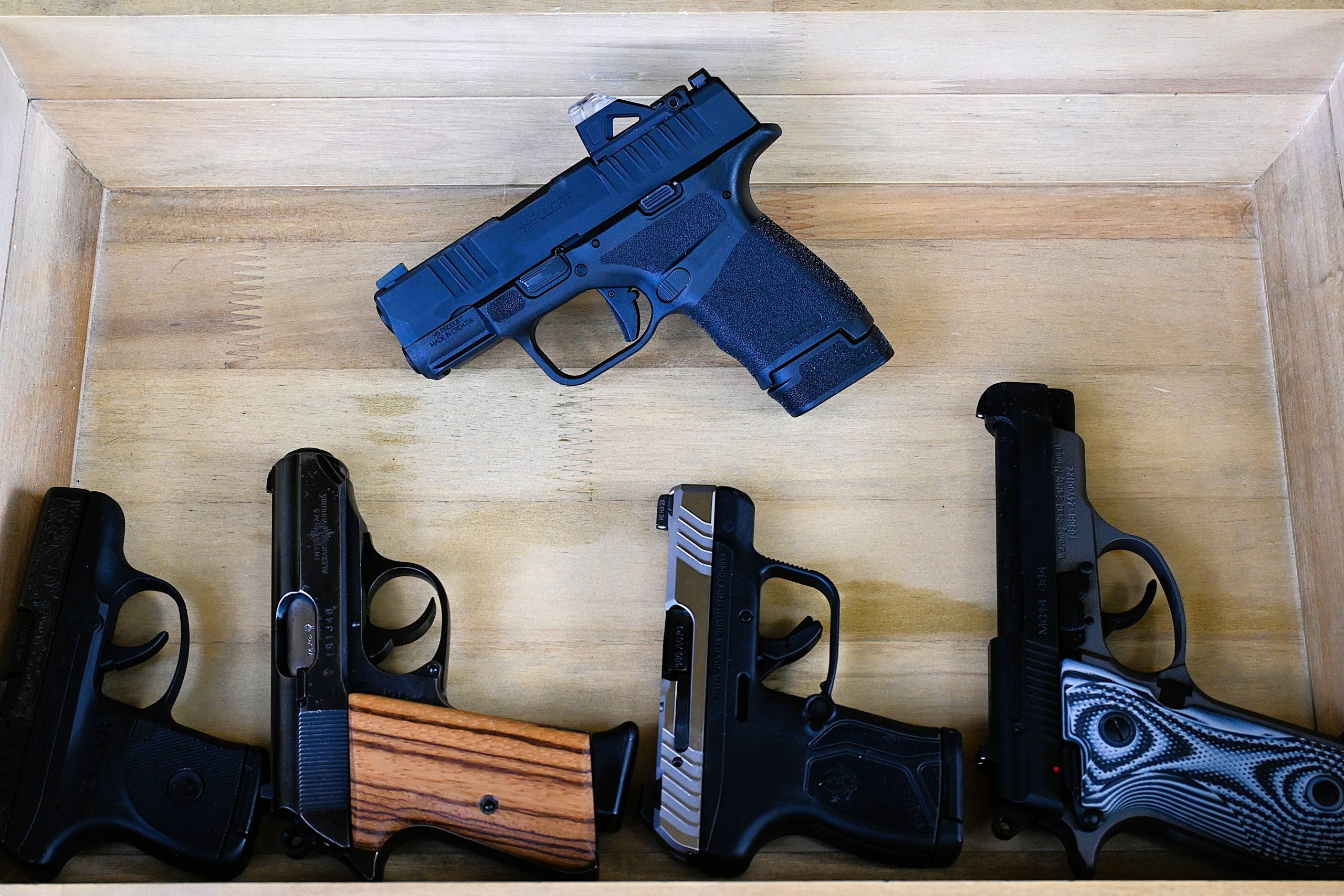
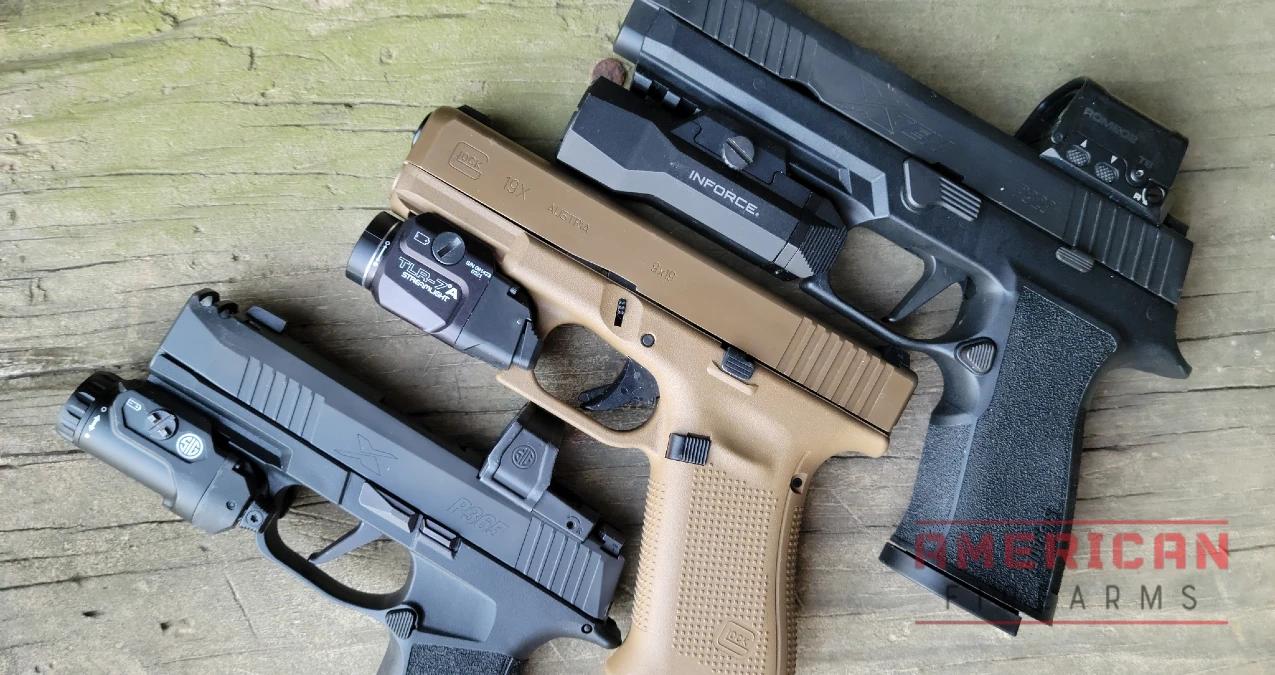
Walk into any gun store and ask the guy behind the counter what you should carry for self-defense. He’ll hand you a Glock 43X, a SIG P365XL, or a Springfield Hellcat Pro — something in the $550-$700 range, often higher when you get into the optics-ready variants.
Ask about the Taurus G3c at the end of the case and you’ll get a look. The look says: that’s for people who don’t know any better.
The advice behind that look has a legitimate pedigree. In the early 1990s, the best-selling handguns in America by production volume included the Lorcin L380, the Davis P-380, and the Raven MP-25 — Saturday Night Specials in every meaningful sense.
The Lorcin fed poorly, extracted worse, and had a documented breakage pattern at the magazine release that made it mechanically less trustworthy than leaving the counter empty-handed. “Buy quality or don’t bother” emerged from lived experience with guns that were genuinely dangerous to depend on, and that advice spread through gun stores, gun forums, and range bag wisdom until it became received doctrine. It made sense when the guns it described existed.
Those guns are gone. The advice isn’t.
In This Article
The Population This Advice Was Never Built For
The “buy quality” doctrine was calibrated for the enthusiast market: people who shoot regularly, carry consistently, and can articulate a preference between trigger reset characteristics on competing platforms.
For that population, spending $650 on a Glock 48 MOS instead of $299 on a Taurus G3c buys real things — better ergonomics, more mature aftermarket support, tighter tolerances, and the psychological comfort of carrying something you’ve put 2,000 rounds through and trust completely. None of that is wrong for the person it’s directed at.
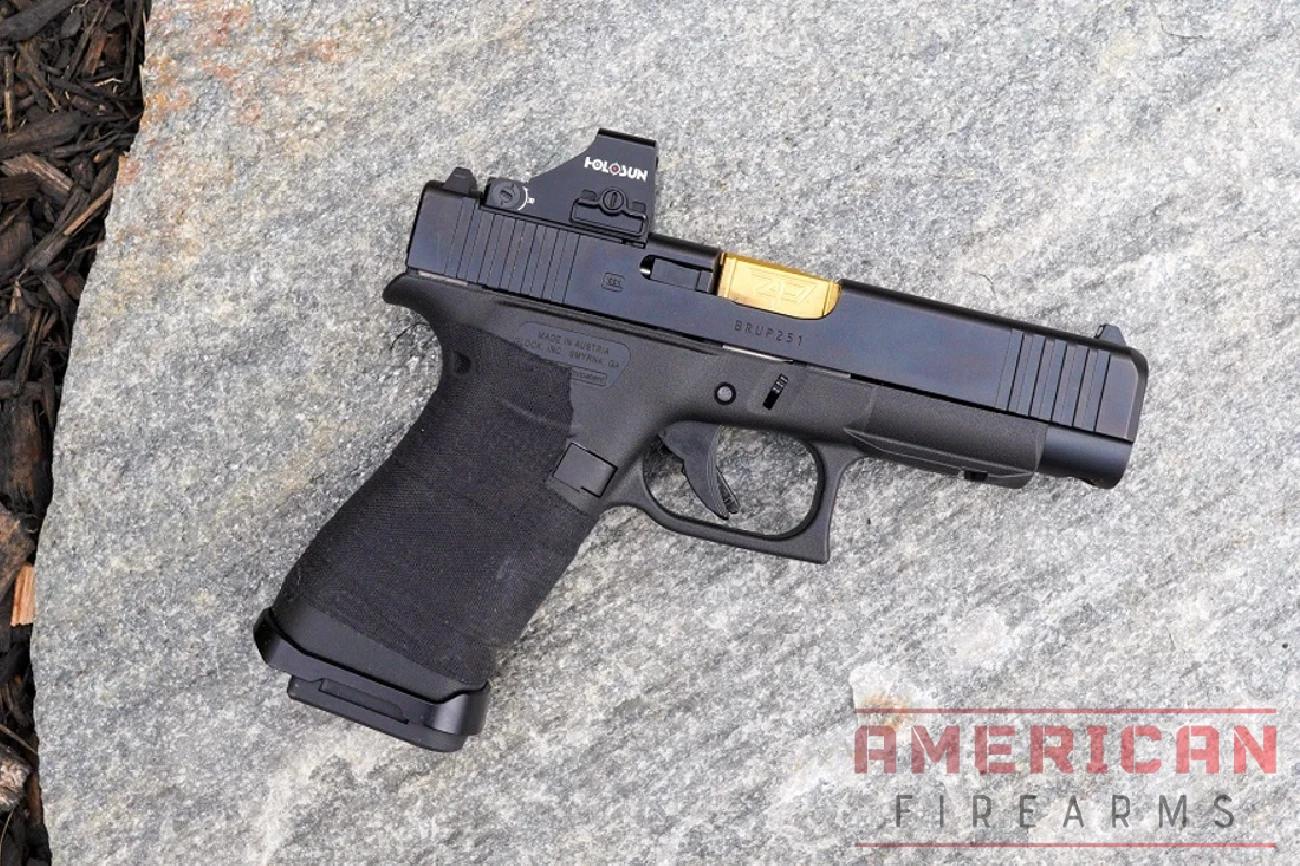
The problem is who it’s being directed at now. Between 2020 and 2022, the NSSF documented 26 million first-time gun buyers entering the market — a figure that dwarfs any comparable period in American firearms history.
Surveys of that cohort showed purchasing driven by personal safety concerns, not sporting use, and a demographic profile — younger, more female, more urban, more diverse — that does not map onto the range-going enthusiast population that generated the conventional wisdom about carry guns. A significant portion of those buyers had $300 to spend, not $700. The advice they received from forums, YouTube comment sections, and gun counter conversations was built for someone else.
The advice to “save up for something quality” has a real cost when the reason you’re buying a carry gun is because you need one now.
What Terminal Performance Actually Requires
The centerpiece of the “budget guns will get you killed” argument is that cheap guns are mechanically unreliable in ways that premium guns aren’t.
That concern is real but misapplied — and the more common version of the argument, that cheap guns deliver inferior terminal performance, reflects a fundamental misunderstanding of how defensive ballistics work.
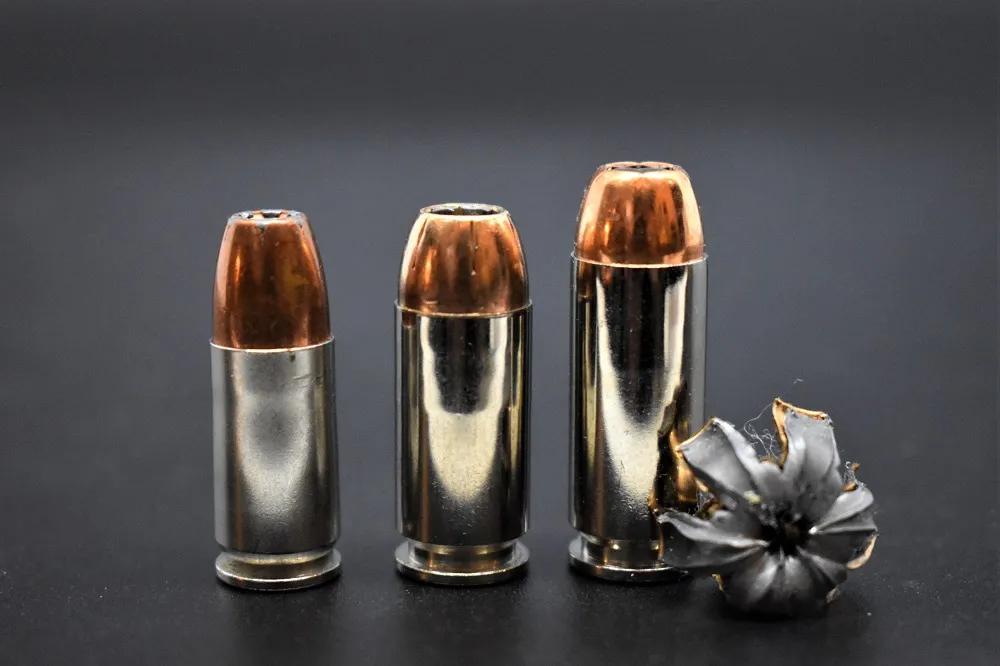
Terminal performance — the behavior of a projectile inside a target — is a function of ammunition, not platform. The FBI’s ballistic testing protocol, developed after the 1986 Miami shootout and refined over the following decade, evaluates hollow-point defensive ammunition against specific penetration and expansion standards in ballistic gelatin with barrier materials (four layers of heavy denim, auto glass, and others).
What it does not evaluate is which gun fires the round. Federal 124-grain HST fired from a $299 Taurus G3c and Federal 124-grain HST fired from a $745 Glock 45 Gen 6 are the same projectile at the same velocity, producing the same penetration and expansion in tissue. The gun is a propellant delivery system. The ammunition is doing the work.
The Taurus G3c, Ruger Security-9, and Mossberg MC2c all feed Federal HST, Speer 147-grain Gold Dot, and Hornady 135-grain Critical Duty reliably under range conditions. This isn’t anecdote — Lucky Gunner’s gel test archive includes documented results for defensive loads fired through budget platforms, and the terminal performance numbers do not diverge from results produced by premium pistols firing the same ammunition.
The $400 ceiling buys you the same gel results.
Why Distance Data Changes the Reliability Calculus
The reliability argument deserves engagement because it’s not fictitious — budget pistols do have marginally higher failure rates than premium options under sustained high-volume use. But sustained high-volume use is not the condition defensive carry guns are actually tested against in use.
NYPD’s firearms discharge analysis — one of the most comprehensive primary datasets on actual police shooting engagements — found that in 2024, 63% of NYPD officers involved in adversarial discharge incidents were at 15 feet or less from their target.
Data from FBI officer assault studies and state-level defensive gun use reports show a similar pattern for civilian defensive gun uses: the FBI LEOKA data shows that 80% of officers shot and injured in 2018 were within 20 feet of their attacker, with more than half at 10 feet or less.
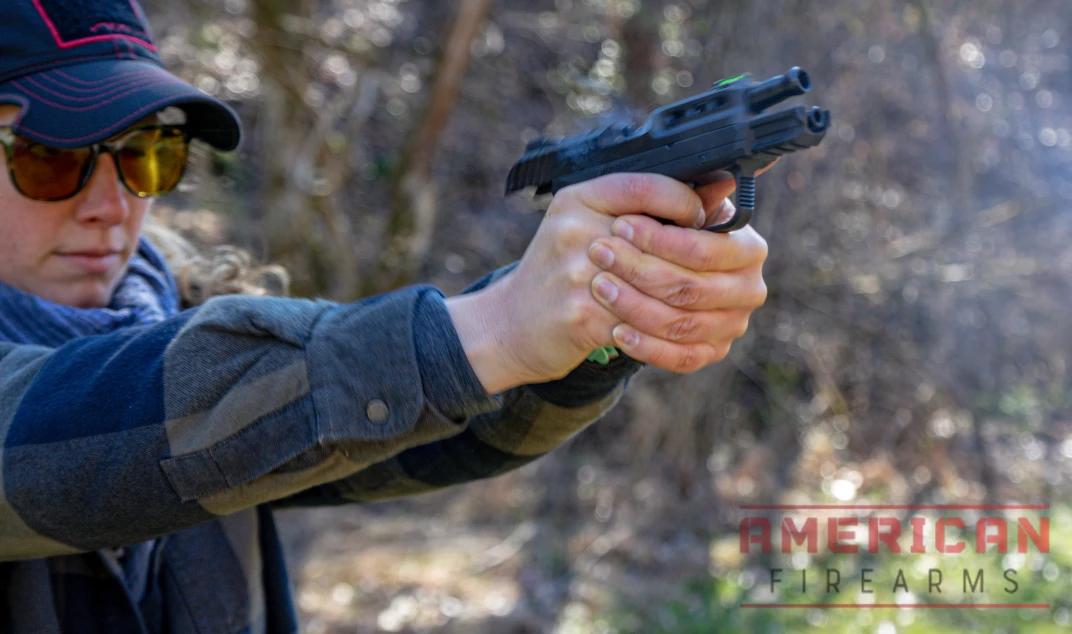
At 3 yards, no service-grade semi-automatic pistol has a meaningful accuracy disadvantage versus any other. The relevant question isn’t “which gun prints 1.8-inch groups at 25 yards” — it’s “which gun will cycle reliably through 5-10 rounds at 7 yards without a failure to feed.” That’s a different bar, and it’s a bar that the Taurus G3c, Ruger Security-9, and Mossberg MC2c clear under normal carry conditions.
The reliability concern that is legitimate is the 2017 class-action settlement covering approximately 1 million Millennium-series pistols (PT-111, PT-132, PT-138, PT-140, PT-145, PT-745, PT-609, PT-640, and PT-24/7) sold between 1997 and 2013. That was a real problem, and it’s a real data point. It applies specifically to pre-2019 production and does not carry forward to the redesigned G2c or G3c platform.
The fix is the same one that applies to any carry gun regardless of price: run 200 rounds of your carry ammunition through the gun before trusting your life to it. That standard applies to a $299 Taurus and a $745 Glock equally.
A Framework for Buying Under $400
The argument here is not “any cheap gun is adequate.” It’s that a specific tier of the market — roughly $250 to $400, from manufacturers with established quality control and real warranty support — represents a different category from 1990s Saturday Night Specials, and the community’s failure to distinguish between them produces bad advice.
Within that tier, the useful variables are:
Manufacturer track record matters more than MSRP. Ruger’s quality control reputation is strong at every price point; the Security-9 at $299 street carries that institutional competence. Taurus’s post-2020 production has closed most of the gap with the previous decade’s reputation, but buyers who remain skeptical have legitimate ground to stand on and should look at Ruger or the Mossberg MC2c instead.
Feeding your specific carry ammo is non-negotiable. Some budget pistols run ball ammunition flawlessly and choke on hollow points. The 200-round test with your actual carry load is not optional. This is not a budget-gun problem specifically — it is a carry-gun problem universally.
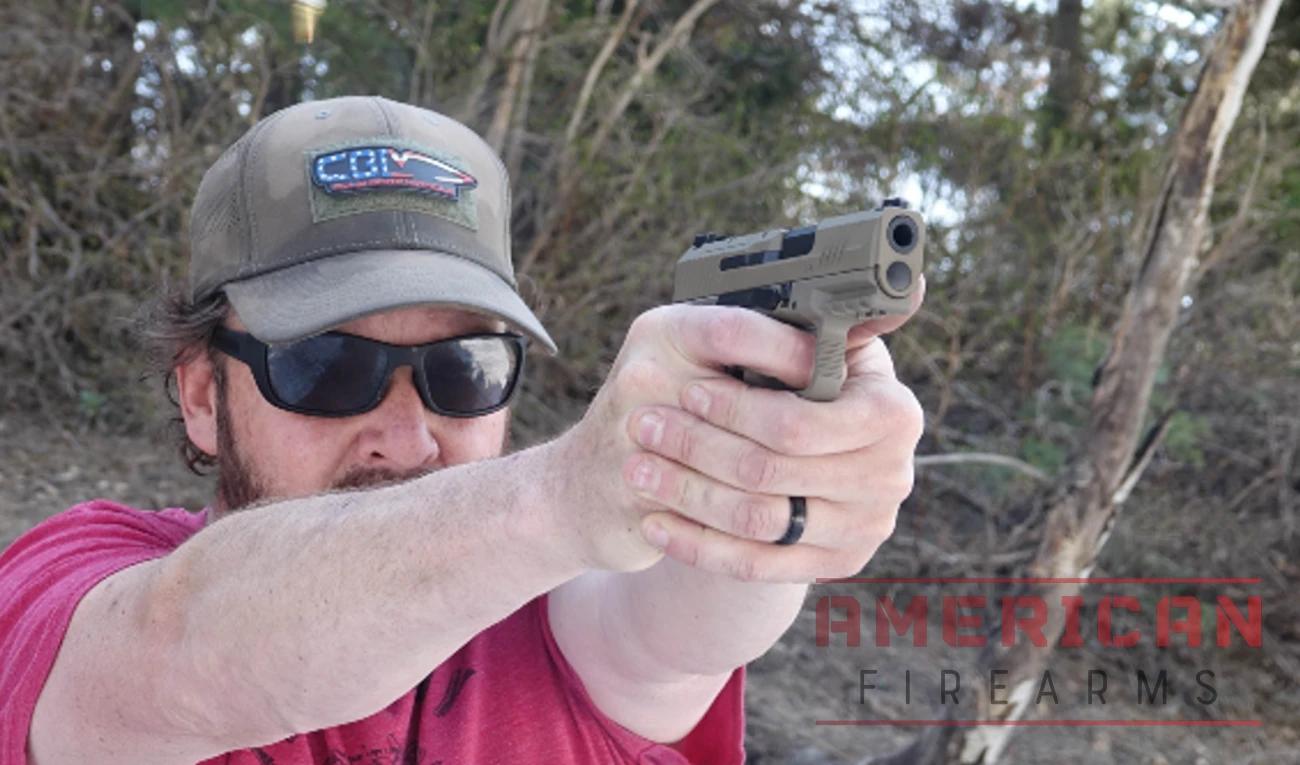
Ergonomics matter for training frequency, and training frequency matters. A $299 gun you practice with monthly is worth more in a defensive context than a $700 gun you practice with twice a year. If the budget gun is what makes consistent range time affordable, that’s not a compromise — that’s the point.
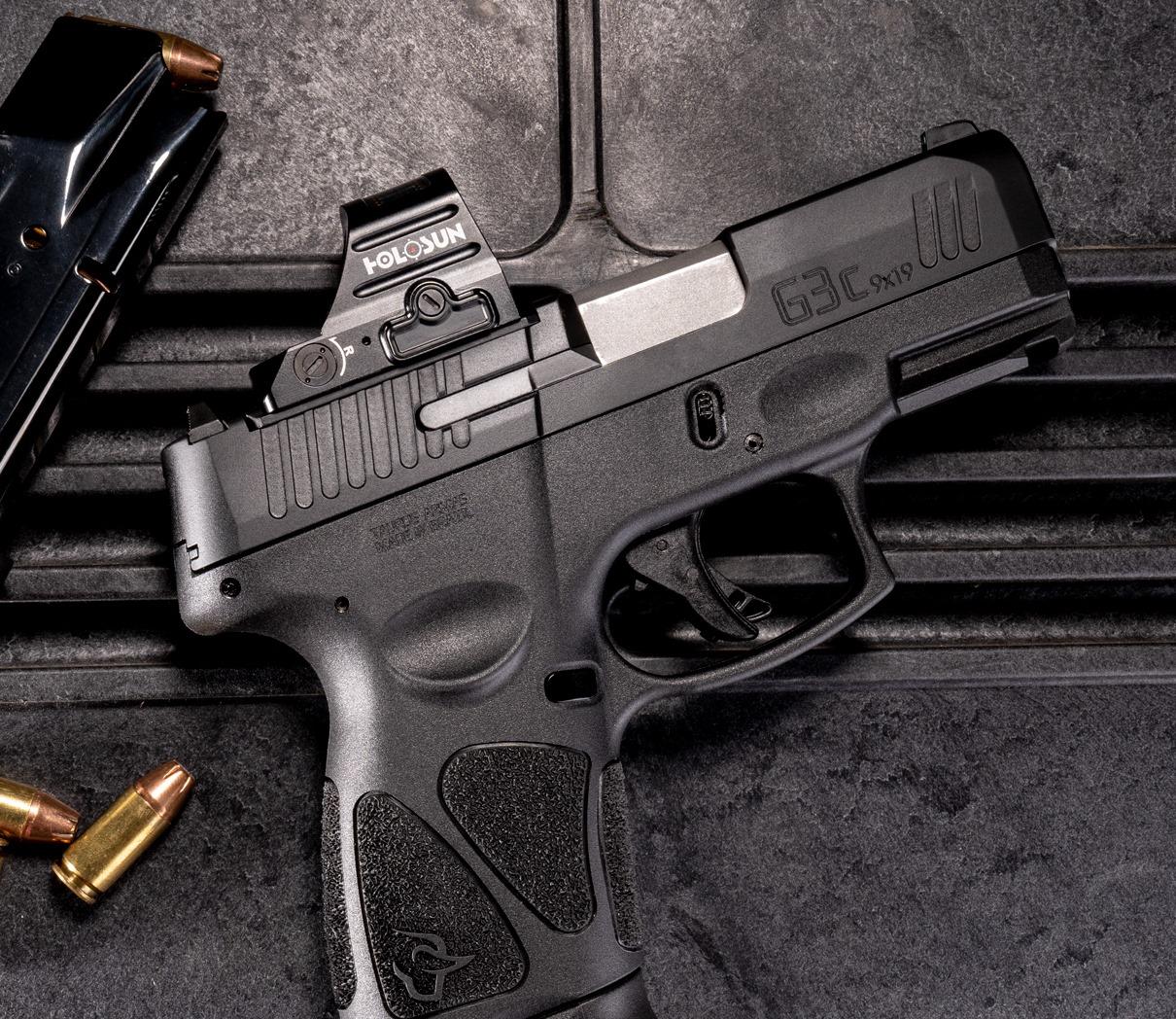
The short list for buyers working in this tier: the Taurus G3c ($269-$299 street), the Ruger Security-9 ($299-$329 street), and the Mossberg MC2c ($329-$349 street). All three feed standard JHP loads reliably, carry ergonomically, and have warranty support from manufacturers that will still exist next year.
The Canik META MC9 deserves mention at the upper end of the range ($350-$400) for buyers who want a genuinely competitive trigger at the budget price point, with the caveat that Canik’s US service infrastructure is thinner than the domestic manufacturers’.
For specific head-to-head comparisons and current street prices, AF’s Best Budget Handguns guide covers this tier in detail.
The Objections, Answered Directly
“You won’t train with a gun you don’t love.” Possibly true for enthusiasts; unlikely to be determinative for the population this piece is actually about. The first-time buyer who can spend $300 on a gun has made a choice that $700 was not an option. The question is not “Taurus vs. Glock” for that buyer — it’s “Taurus vs. nothing while you save.” Nothing loses that comparison every time.
“Premium guns have better sights, better triggers, better everything.” True in most cases. Better sights are a $50-$80 aftermarket upgrade on any platform. Better triggers are a $100-$150 upgrade on most. Even adding both, you’re at $500, and if you’re doing that math, you’re already in enthusiast territory where the broader market advice applies. For buyers who need a carry gun at $300, those upgrades come later.
“The budget gun market has bad apples — you might get a lemon.” True. So does the premium market — Glock recalled more than a million Gen 4 pistols in 2015 for recoil spring issues. The response to manufacturing variance is not to spend more; it’s to function-test before trusting.
A Note on What This Doesn't Argue
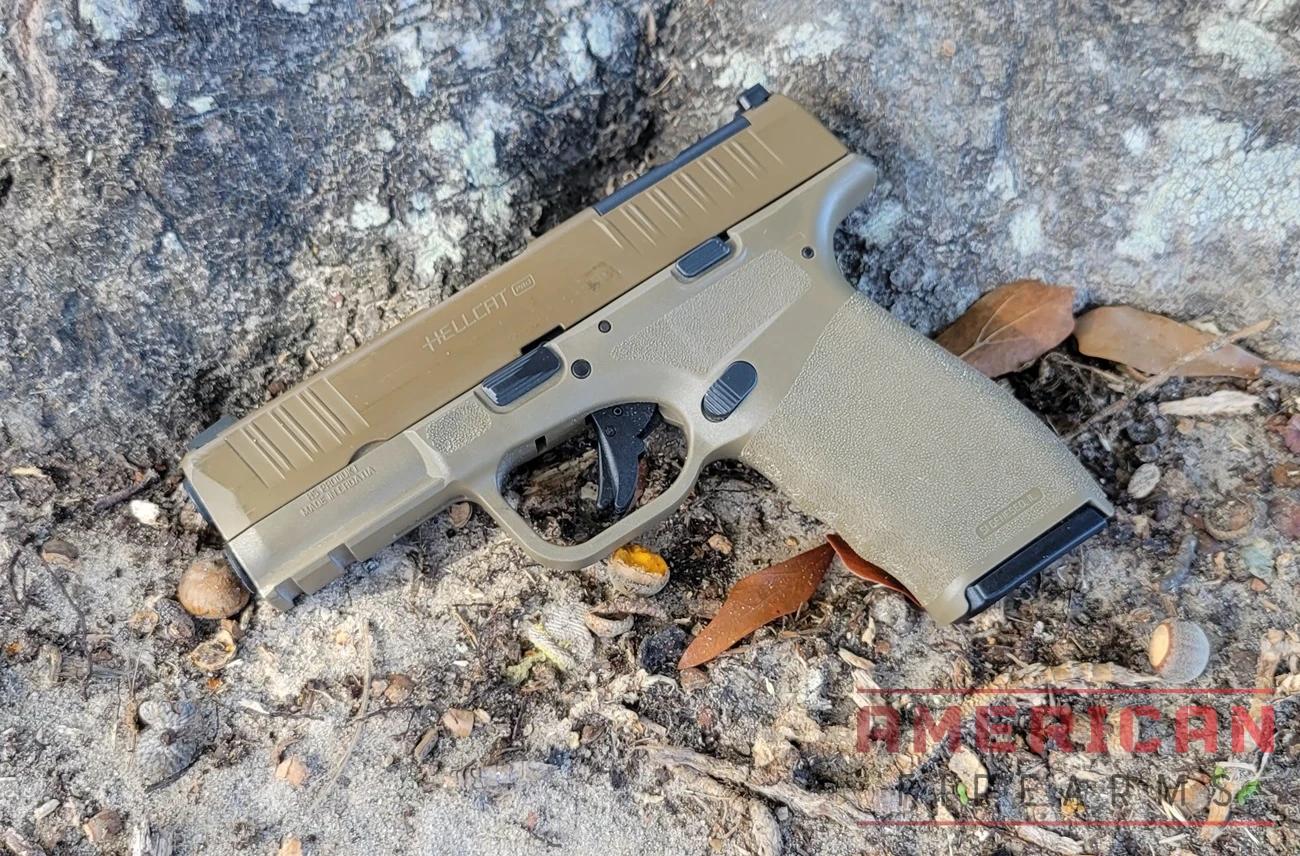
Carrying a premium pistol — the SIG P365, the Glock 43X, the Springfield Hellcat Pro — is not a mistake. They are better guns by almost every measurable criterion. If you have the budget, use it. Nothing in this piece is an argument against buying a $700 carry gun when $700 is available.
The argument is narrower: the advice to delay until $700 is available, delivered reflexively to buyers who don’t have it, produces a defensive gap that budget guns can close. The community’s failure to update its doctrine since the Lorcin era has real consequences for the millions of new buyers it’s now being applied to. The market has moved; the advice hasn’t.
The $400 Ceiling Isn't a Compromise
The Lorcin L380 is gone. The Raven MP-25 is gone. The category of genuinely dangerous budget handguns that produced the “buy quality” doctrine has been dead for two decades, replaced by a tier of budget pistols that feed FBI-protocol hollow points reliably at the distances defensive encounters actually happen.
The gap between a $299 Taurus G3c loaded with Federal 124-grain HST and a $745 Glock 19 loaded with the same round is not the gap between adequate and excellent. It’s the gap between what you paid for the frame, the trigger feel, and the marketing budget. At 5 yards, in the dark, under adrenaline, neither you nor the situation will notice the difference.
The $400 ceiling isn’t a compromise. It’s permission to stop waiting.
Sign up for our newsletter
Get discounts from top brands and our latest reviews!
View by Category

In-Hand Reviews

Firearm News

Featured Comparisons

Firearm & Ammo Reviews

Popular Guides & Stats

Range Gear & Accessories

Gun & Ammo Safes